
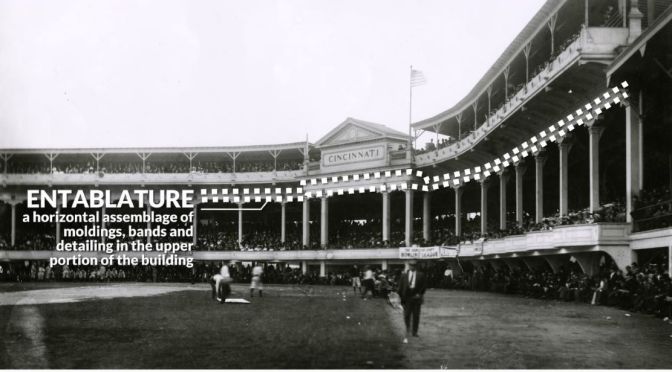
Hey, batter batter! Michael Wyetzner of Michielli + Wyetzner Architects returns to AD, this time breaking down the architectural details found in baseball stadiums around North America. From some of the earliest homes of the national pastime to current multi-billion dollar behemoths, Michael offers up expert insight on what makes each of them distinct.
Category Archives: History
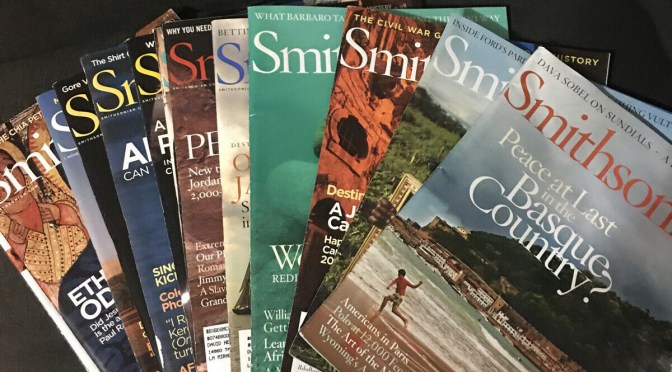
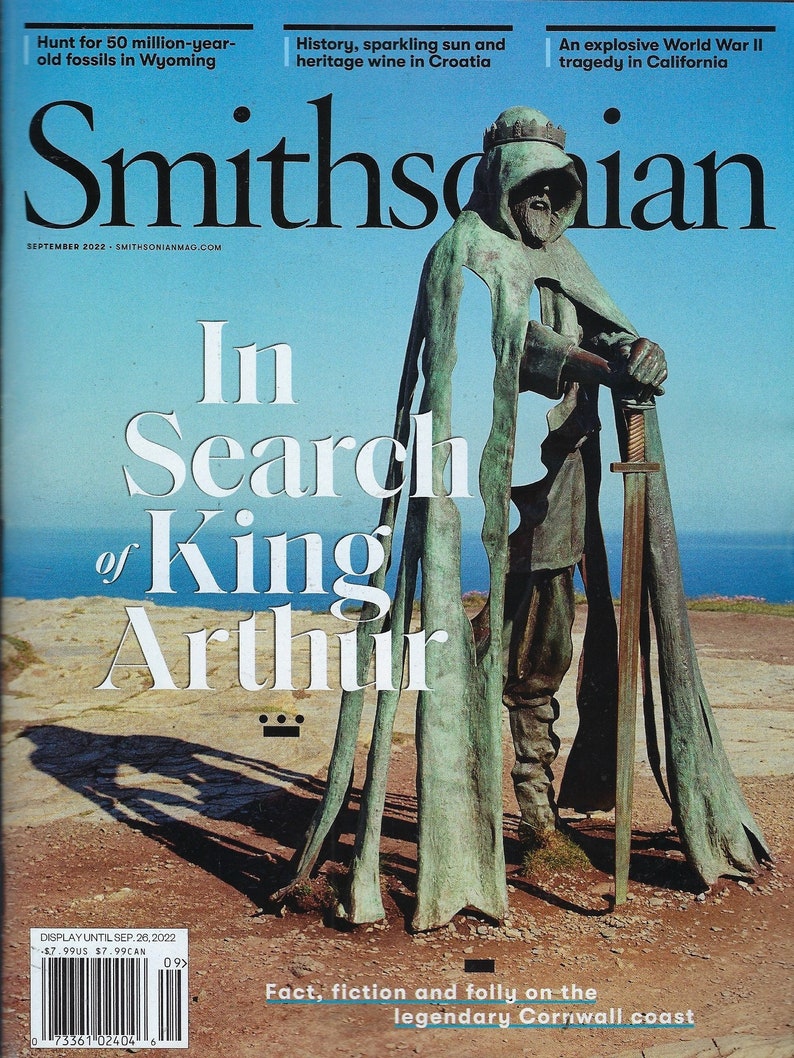
Previews: Smithsonian Magazine – September 2022
Cougars Are Killing Feral Donkeys, and That’s Good for Wetlands
Mountain lions play an important role in the Death Valley ecosystem by preying on the introduced species
How Long Will It Take to Understand Long Covid?
The Incredible Story of the Iceberg That Sank the Titanic
SMART NEWS
Why Was a Synagogue Mural Hidden Behind a Wall in a Vermont Apartment?
August 22, 2022 8:35 a.m.
Did Archaeologists Find Saint Peter’s Birthplace?
August 19, 2022
Western States Are Fighting Over How to Conserve Shrinking Water Supply
August 19, 2022
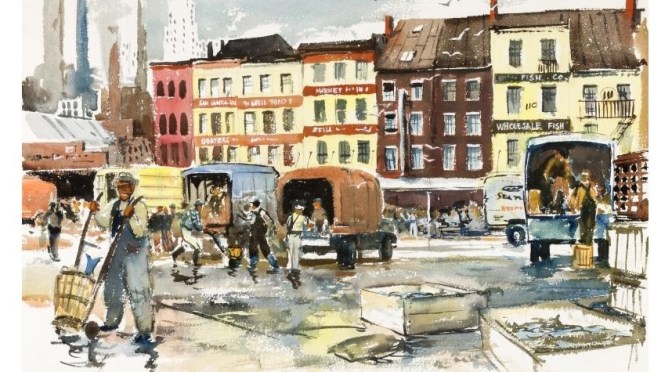
Views: History Of New York’s Fulton Fish Market
The Fulton Fish Market in New York is celebrating its 200th anniversary this year. Jeff Glor goes inside and takes a look at the market’s history.
Opened in 1822, New York City’s Fulton Fish Market is one of the oldest fish markets in the United States. Well before the Brooklyn Bridge was even built, the market at South Street Seaport thrived with fishing boats and fishmongers bartering and bantering over stalls heaving with fresh fish. Each night the colorful market would come to life with its cast of characters, eager chefs and curious tourists, all mingling over bushels of oysters, crates of lobsters and a kaleidoscope of sea creatures from near and far. Perhaps more than any other institution, the Fulton Fish Market captured the spirit and tradition of old New York.
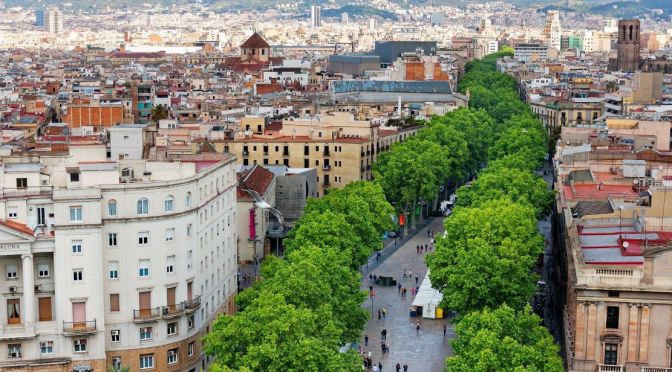
Barcelona Views: Why La Rambla Is World-Famous
Every visitor to Barcelona will sometime take a stroll along La Rambla. The Catalan capital’s leafy boulevard is simply the place to be – but what makes this street world-famous, and what secrets does it hold? Fermin Villar, president of the Friends of La Rambla, clues us in.
La Rambla is a street in central Barcelona. A tree-lined pedestrian street, it stretches for 1.2 km connecting the Plaça de Catalunya in its center with the Christopher Columbus Monument at Port Vell. La Rambla forms the boundary between the neighbourhoods of the Barri Gòtic to the east and the El Raval to the west.
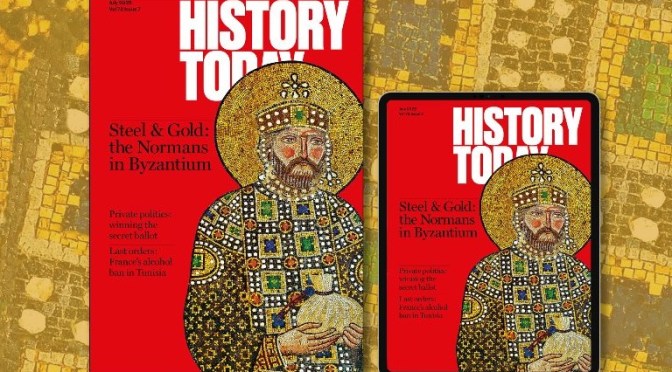
Previews: History Today Magazine – September 2022
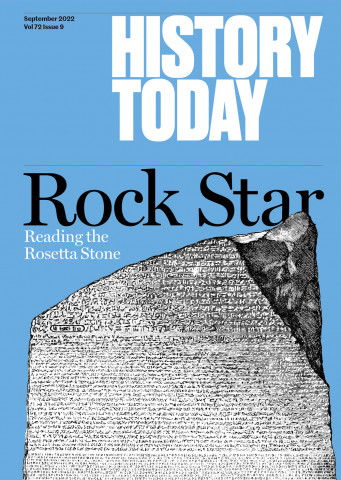
The Original Rock Star
200 years on from the deciphering of the most famous piece of rock in the world, what does reading the Rosetta Stone reveal?
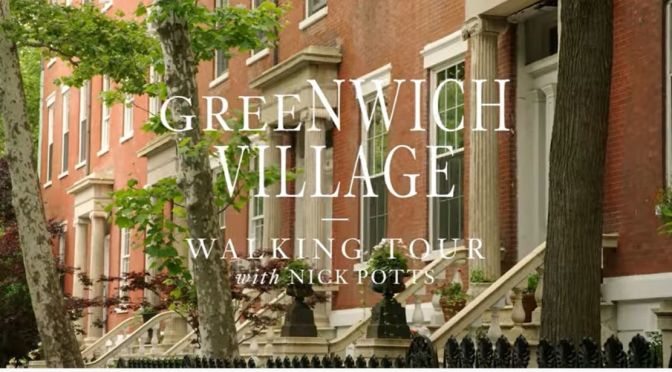
Architectural Tours: New York’s Greenwich Village
Architectural Digest takes you to New York City for an insightful walking tour of Greenwich Village with architect Nicholas Potts. From jazz clubs and coffee shops to the dramatic arch at Washington Square Park and the landmark buildings on Waverly Place, “The Village” continues to exist at the nexus of New York’s past, present, and future.
Come along with Nick as he explores the architectural details hidden in plain sight. Check out Nicholas Potts here:
Website: https://nicholasgpotts.com/ Instagram: https://www.instagram.com/nicholasgpo…

Italian Classics: The ‘Myth’ Behind Riva Aquaramas
During Italy’s post-war boom years, Riva’s glamorous wooden boats were the pinnacle of “la dolce vita” – the Ferraris of motorboats, owned by movie stars, tycoons and royalty. Correspondent Seth Doane takes a spin on the water in a classic Riva; checks out a new edition of the famed Aquarama boat; and learns how the company is working to keep Riva’s spirit alive.
Alberto Galassi is raving about his Riva, a 1970 wooden Aquarama, formed of cedar from Lebanon and mahogany. The CEO of the Ferretti Group, which now owns the Riva boat brand, he took correspondent Seth Doane on a ride on Italy’s picturesque Lake Iseo, racing past Riva’s factory.
“Riva is beyond boating; Riva is a myth,” Galassi said of the classic Riva speedboats, which have been in the hands of royalty, movie stars, rock stars and tycoons. “Let’s be honest. I mean, when you say, ‘I have a Ferrari,’ you need to say you ‘have a car’? Everybody knows what a Ferrari is. Riva is the same thing.”
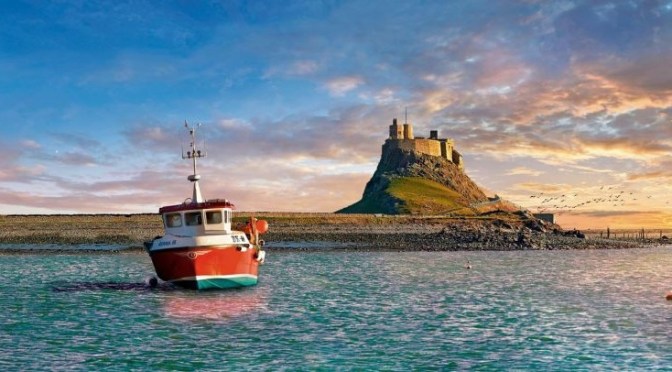
British Isles: Breathless Beauty & Cold Isolation
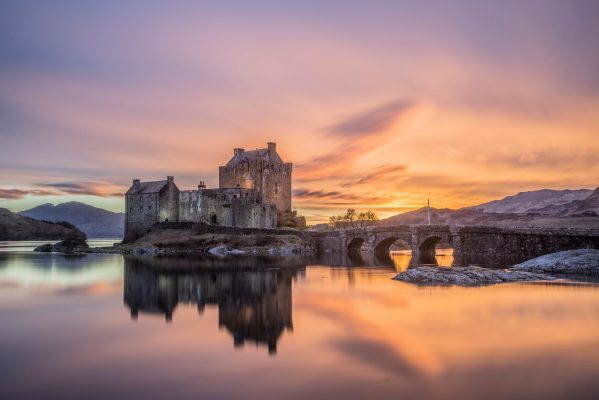
Wind is the defining element of the thousands of islands that encircle the British Isles. Wet and salted, it sculpts every branch and bush, burns palm fronds (yes, our islands do have palm trees — albeit bedraggled), shifts shorelines and leaves surfaces rimed and rusted, skin tanned. Incessantly, it buffets the seabirds and whines at windows; often, it sends the ferry back to port, marooning islanders on their anvil of rock and sand.

Ours are not the great city islands of Venice and Stockholm or the blue-lagooned atolls of the tropics, but kelp-fringed outposts of tough survival for generations of farmers and fishermen and places of insular retreat. They encapsulate extremes — of weather, architecture, landscape and emotion — preserve faith and tradition, offer refuge or redemption, feed dreams and intensify dramas.

Life on the islands of Britain: ‘Mesmerising in its beauty and deeply cruel in equal measure’ https://ift.tt/P5iFot9
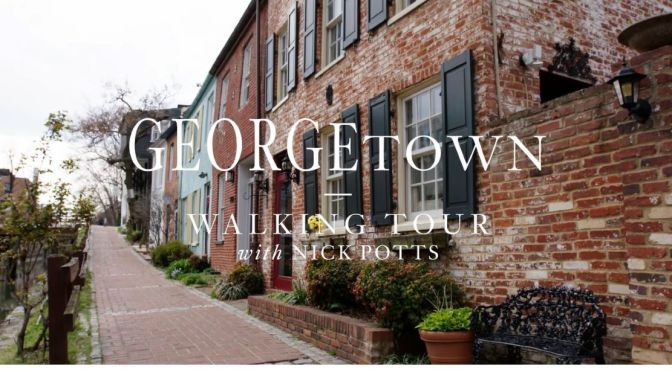
Architecture: Historical Tour Of Georgetown D.C.
Today Architectural Digest takes you to Washington, D.C. for a walking tour of Georgetown with architect Nicholas Potts, highlighting historical architectural details hidden in plain sight. Georgetown’s founding predates that of Washington, D.C. and it wasn’t incorporated into the nation’s capital until the 19th century. Nick demonstrates how vestiges of Georgetown’s origins remain to this day, explaining how the neighborhood has retained its distinctive feel.
Check out Nicholas Potts here: Website: https://nicholasgpotts.com/
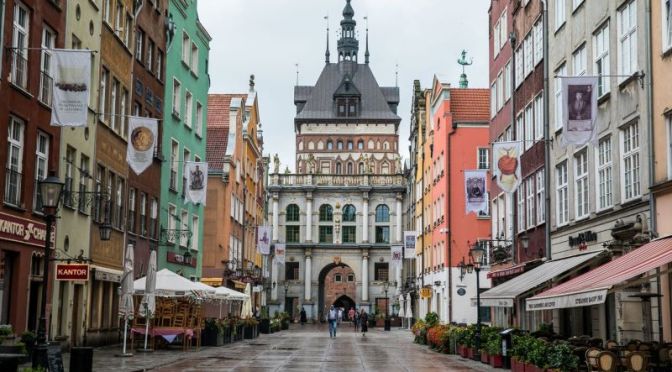
Cultural Tours: Inside The City Of Gdańsk In Poland
DW Reporter Lukas Stege explores the Polish city of Gdańsk, where the Eastern Bloc began its decline! Communism‘s deterioration picked up pace when the port workers at Lenin Shipyard went on strike in 1980 and the independent union Solidarity was founded.
00:00 Intro 00:15 The Old City of Gdańsk 01:04 A Port Ride in the Pirate Ship Ferry 01:44 The Old Shipyard and the Solidarność or Solidarity Movement 06:57 Lost Place and Free Space for Artists, Galleries and Bars 07:58 Gallery Mleczny Piotr 08:36 100cnia
Join Lukas on his journey through Europe’s recent history, which was heavily influenced by these events in Gdańsk. And he also brings us to a very special lost place in this port city!
CREDITS Report: Lukas Stege, Anne Termeche Camera: Holm Weber Editing: Klaus Hellmich
 Intellicurious