Category Archives: Health

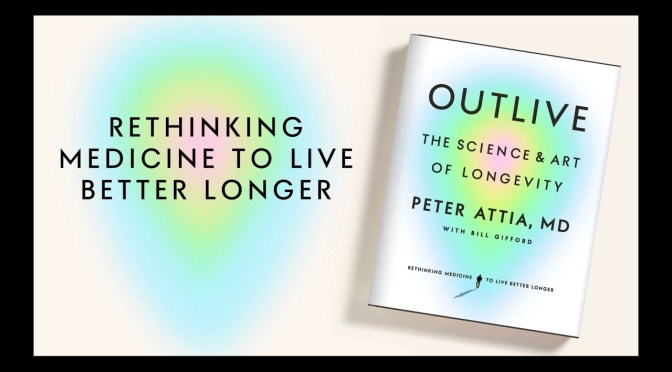
Healthy Aging: ‘Outlive – The Science And Art Of Longevity’ By Peter Attia

Trained as an oncological surgeon, Attia became interested in longevity because he saw that the “Four Horsemen” worked against it: diabetes, heart disease, cancer, and Alzheimer’s disease. All play a role in an unhealthy system, and all interrelate.

‘OUTLIVE – THE SCIENCE & ART OF LONGEVITY’ BY PETER ATTIA, MD
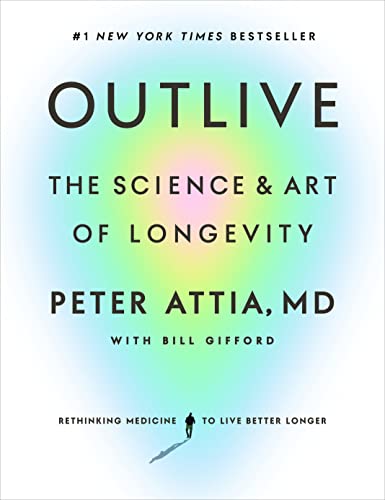
Outlive: The Science and Art of Longevity - Kindle edition by Attia MD,  Peter . Health, Fitness & Dieting Kindle eBooks @ Amazon.com.

A data- and anecdote-rich invitation to live better, and perhaps a little longer, by making scientifically smart choices.

If you have Type 2 diabetes, then your chances of developing heart disease, cancer, and neurological disorders increases, and if your goal is to live well in old age, then it behooves you to change your ways in order to keep your insulin reception levels in the clear. How to do so?

READ MORE AT KIRKUS REVIEWS

Research: New Scientist Magazine – April 15, 2023

New Scientist | Science news, articles, and features

New Scientist Magazine – April 15, 2023 issue:

How do we know that therapy works, and which kind is best for you?

How do we know that therapy works, and which kind is best for you?

Psychotherapy has never been more available and yet, with so many options, it can be hard to know where to start. Thankfully, researchers are getting to grips with what really works and why

The Power of Language review: What speaking many languages can do

Physicist David Wolpert on how to study concepts beyond imagination

Healthcare: The Digital Medicine Revolution

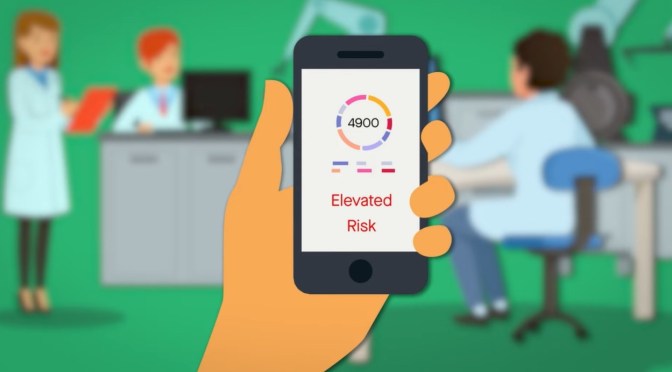
Scripps Research (April 11, 2023) – From smartwatches and fitness bands to glucose monitors and in-home ultrasounds, the proliferation of digital devices is igniting a revolution in healthcare and medical research.

Patients can now collect thousands of data points about themselves and share that information with their healthcare providers. At the Scripps Research Translational Institute, researchers are taking advantage of new technology to study disease in novel ways.

Their projects include a platform for early detection of disease outbreaks, a sleep quality study, and even a way to predict and individual’s risk of certain disease based on their genetics. In this video, hear directly from the team about this exciting new frontier.

READ MORE

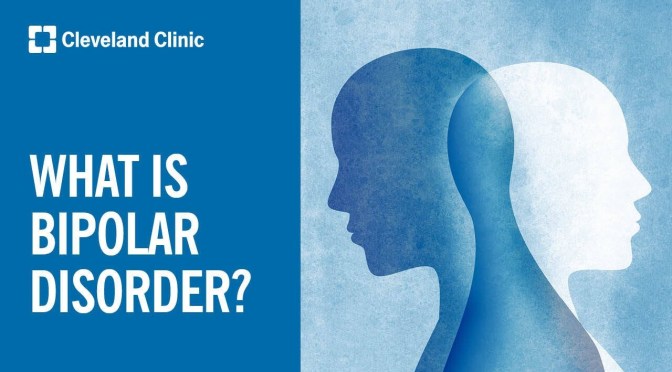
BIPOLAR DISORDER: HOW IT IS DIAGNOSED & MANAGED

Cleveland Clinic (April 6, 2023) – About 5.7 million adults in the U.S. have bipolar disorder. The lifelong mental health condition, which includes four different types, is known for the maniac and depressive episodes someone experiences.

Chapters: 0:00 Intro 0:26 What is bipolar disorder? 0:50 What does a manic episode feel like? 1:18 What does a depressive episode feel like? 2:00 How to manage bipolar disorder

What is bipolar disorder?

Bipolar disorder (formerly known as manic-depressive illness or manic depression) is a lifelong mood disorder and mental health condition that causes intense shifts in mood, energy levels, thinking patterns and behavior. These shifts can last for hours, days, weeks or months and interrupt your ability to carry out day-to-day tasks.

There are a few types of bipolar disorder, which involve experiencing significant fluctuations in mood referred to as hypomanic/manic and depressive episodes. However, people with bipolar disorder aren’t always in a hypomanic/manic or depressive state. They also experience periods of normal mood, known as euthymia.

READ MORE at Cleveland Clinic

Reports: Tufts Health & Nutrition – April 2023

Image

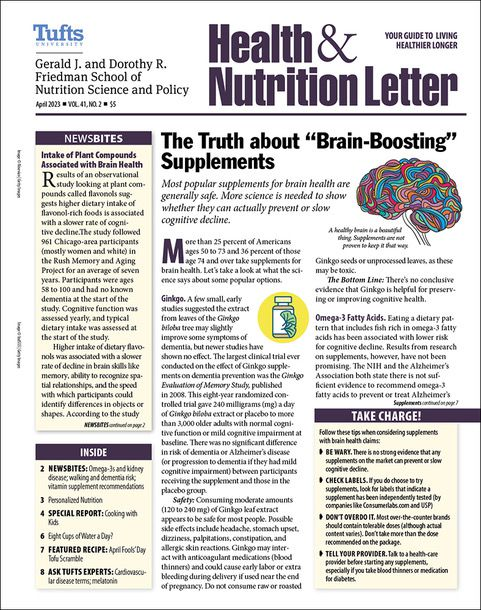
Tufts Health & Nutrition Letter (April 2023)

  • The Truth about “Brain-Boosting” Supplements
  • News Bites
  • Personalized Nutrition
  • Special Report: Cooking with Kids
  • Eight Cups of Water a Day?
  • Featured Recipe: April Fools’ Day Tofu Scramble
  • Ask Tufts Experts: Cardiovascular Disease; Melatonin

Public Health: The Rise Of The Deadly Fungi (WSJ)

Daniela Hernandez | WSJ (March 24, 2023): HBO’s The Last of Us previews what a fungal apocalypse might look like. While scientists aren’t worried about the Cordyceps fungus taking us out IRL, deaths due to severe fungal infections are going up and raising alerts from public-health agencies.

Video timeline: 0:00 Fungal infections kill an average of 1.6 million people per year 0:30 How climate change has aided in fungi production 2:11 Infectious fungi are more dangerous for compromised immune systems 2:42 Why there are limited treatment options for fungal infections 3:29 How worried should you be about fungi?

I explain three big reasons why the next big health threat might come from a fungus.

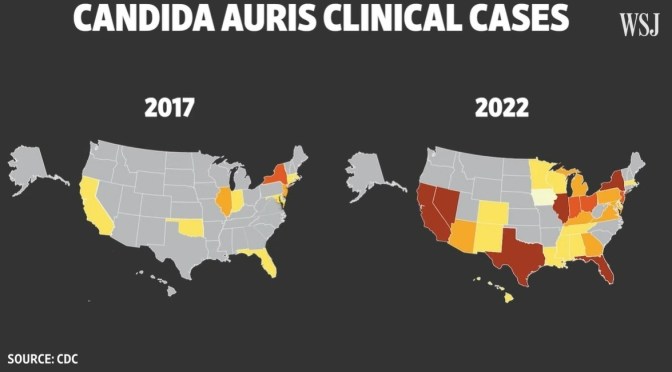
Candida auris is an emerging fungus that presents a serious global health threat. CDC is concerned about C. auris for three main reasons:

  1. It is often multidrug-resistant, meaning that it is resistant to multiple antifungal drugs commonly used to treat Candida infections. Some strains are resistant to all three available classes of antifungals.
  2. It is difficult to identify with standard laboratory methods, and it can be misidentified in labs without specific technology. Misidentification may lead to inappropriate management.
  3. It has caused outbreaks in healthcare settings. For this reason, it is important to quickly identify C. auris in a hospitalized patient so that healthcare facilities can take special precautions to stop its spread.

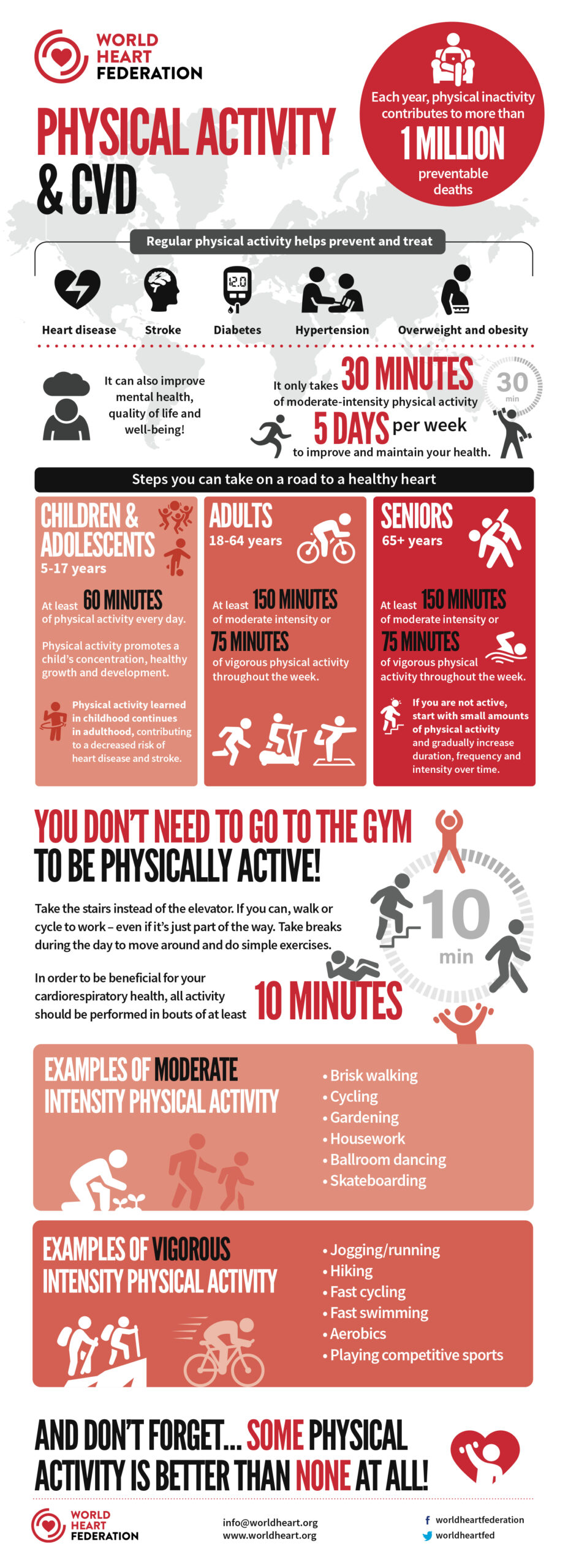
Health: Regular Exercise Prevents Heart Disease

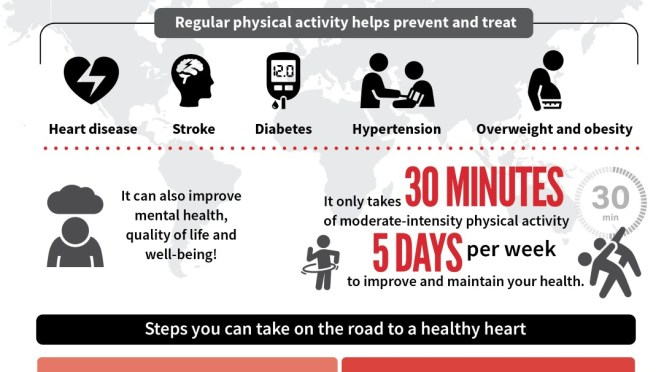
 Frequent exercise is robustly associated with a decrease in cardiovascular mortality as well as the risk of developing cardiovascular disease. Physically active individuals have lower blood pressure, higher insulin sensitivity, and a more favorable plasma lipoprotein profile. Animal models of exercise show that repeated physical activity suppresses atherogenesis and increases the availability of vasodilatory mediators such as nitric oxide.

Exercise has also been found to have beneficial effects on the heart. Acutely, exercise increases cardiac output and blood pressure, but individuals adapted to exercise show lower resting heart rate and cardiac hypertrophy. 

READ MORE

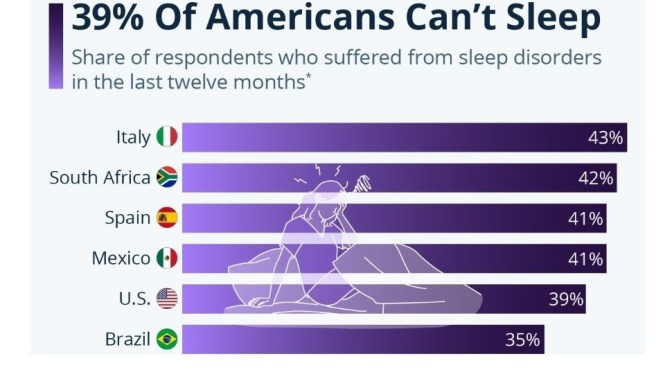
Health: 39% Of Americans Suffer Sleep Disorders

Infographic: 39% Of Americans Can’t Sleep | Statista

This Friday, March 17, is World Sleep Day, an annual event that aims to raise awareness of the importance of getting a good night’s sleep. This year’s campaign tagline is “Sleep is essential for health.” According to a study by the American College of Cardiology, up to 8 percent of deaths from any cause could be attributed to “poor sleep patterns”, while those with healthier sleep habits are less likely to die prematurely.

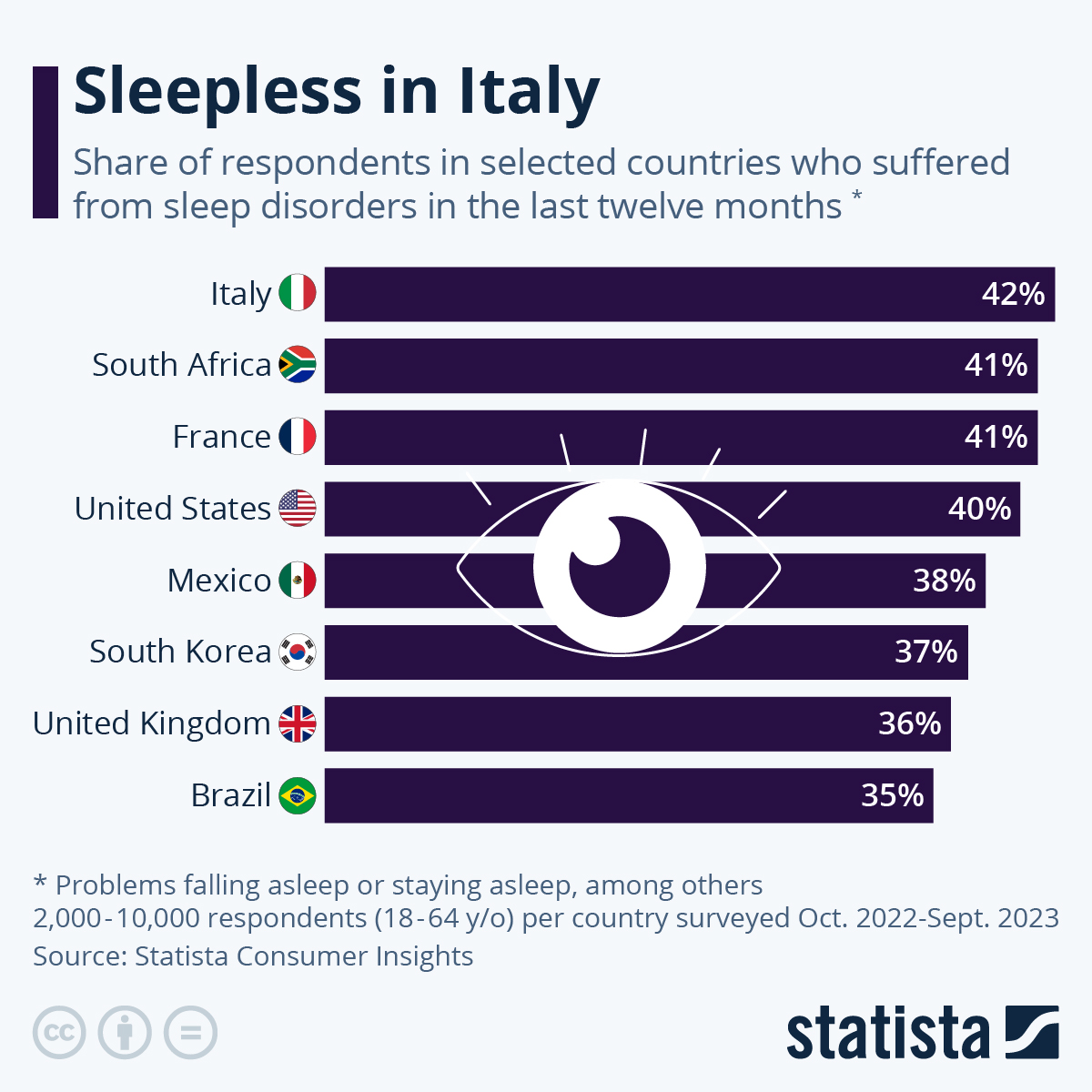
Data from Statista Consumer Insights shows that in the United States, 39 percent of respondents said they had suffered from a sleep disorder (problems falling asleep or staying asleep, insomnia, etc.) in the 12 months prior to the survey. Italians were among the worst sleepers in the survey at 48 percent reporting a sleep disorder, while India registered a higher share of good sleepers, with only 26 percent suffering from poor sleep.

Immunity: How T Cells And B Cells Fight Infections

nature video (March 15, 2023) – Lymphocytes are immune cells that play vital roles in fighting infections. The most well-known lymphocytes are the T cells and B cells of the adaptive immune system. In the 1950s and 1960s, scientists performed experiments to follow lymphocytes on their journey around the body, which helped us to work out where they go and what they do.

This work laid the foundation for everything we know about T cells today, including how they become activated to fight infections and how they form memory populations that provide long-lasting immunity.