
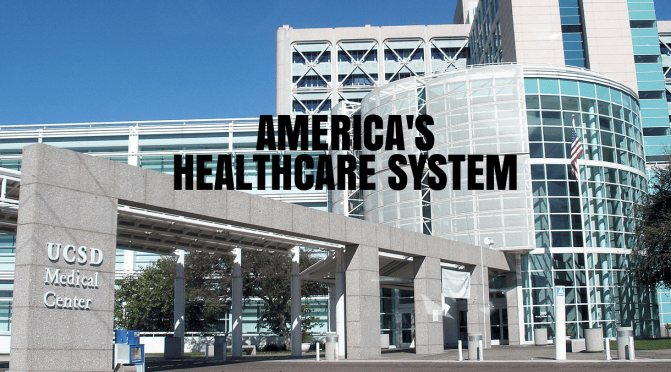
From a Scientific American online article:
 Health care is a big business, and our system reimburses hospitals and health care workers for caring for the sickest people rather than healthiest ones. This process depletes healers’ energy and often causes them to become exhausted and sick. That means all of us who work in or study to work in health care are at risk. To break this vicious cycle, we need self-scrutiny and willingness to change.
Health-professions students and workers live in chronically stressful environments—responsible for an increasingly sick population, which they are expected to repeatedly rescue from failure. To heal others, our health care professionals need healing themselves.
American medical students, physicians and nurses: There’s good news and bad news.
The bad news is that our health care system and many of its workers are sick. The good news is that we can heal them. We should waste no time in starting.
To read more: https://blogs.scientificamerican.com/observations/american-health-care-is-sick-and-its-workers-are-too/

 “What is memory without forgetting?” asks Oliver Hardt, a cognitive psychologist studying the neurobiology of memory at McGill University in Montreal, Canada. “It’s impossible,” he says. “To have proper memory function, you have to have forgetting.”
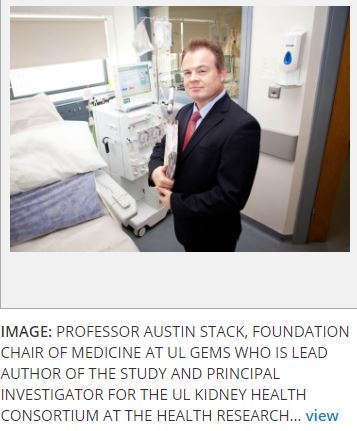 “While we always believed that high levels of uric acid might be bad for kidneys and that patients with gout may have a higher risk of kidney failure, we were quite surprised by the magnitude of the risk imposed by gout in these patients. We were particularly interested in the risk of advanced kidney disease, as these patients in general have a higher risk of kidney failure and death.
 Now, researchers have developed a fast-acting skin patch that efficiently delivers medication to attack melanoma cells. The device, tested in mice and human skin samples, is an advance toward developing a vaccine to treat melanoma and has widespread applications for other vaccines.
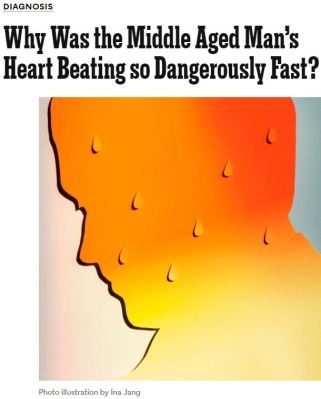 In sarcoidosis, abnormal collections of cells called granulomas invade the organ, interfering with its normal activity and often destroying the surrounding tissue. What is left is a scar, known as fibrosis, dotted with these abnormal granulomas.
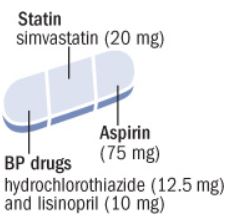 Use of polypill was effective in preventing major cardiovascular events. Medication adherence was high and adverse event numbers were low. The polypill strategy could be considered as an additional effective component in controlling cardiovascular diseases, especially in LMICs.
 The use of n-3 FA (4 g/d) for improving atherosclerotic cardiovascular disease risk in patients with hypertriglyceridemia is supported by a 25% reduction in major adverse cardiovascular events in REDUCE-IT (Reduction of Cardiovascular Events With EPA Intervention Trial), a randomized placebo-controlled trial of EPA-only in high-risk patients treated with a statin.
 Zing’s plan will give seniors access to a network of clinics in Cook County, Illinois, starting in January. The company hopes to expand to three states by 2022. It’s a managed care plan, which means the Centers for Medicare and Medicaid Services (CMS) will pay a single monthly fee per member in exchange for a more holistic approach to nurturing patient health. Zing is working with a network of community health centers, including Oak Street Health, which recently raised $65 million for its senior-focused facilities.

 2 years of moderate calorie restriction significantly reduced multiple cardiometabolic risk factors in young, non-obese adults. These findings suggest the potential for a substantial advantage for cardiovascular health of practicing moderate calorie restriction in young and middle-aged healthy individuals, and they offer promise for pronounced long-term population health benefits.
 Intellicurious