

From The Lancet Diabetes & Endocrinology:
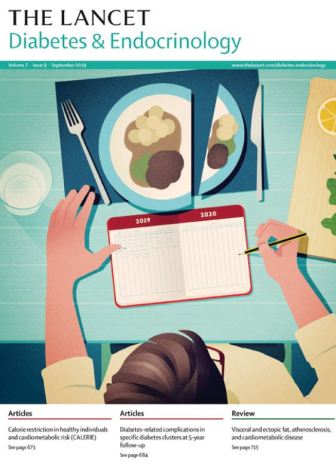 This joint position statement from the International Atherosclerosis Society and the International Chair on Cardiometabolic Risk Working Group on Visceral Obesity summarises the evidence for visceral adiposity and ectopic fat as emerging risk factors for type 2 diabetes, atherosclerosis, and cardiovascular disease, with a focus on practical recommendations for health professionals and future directions for research and clinical practice.
Findings from epidemiological studies over the past 30 years have shown that visceral adipose tissue, accurately measured by CT or MRI, is an independent risk marker of cardiovascular and metabolic morbidity and mortality. Emerging evidence also suggests that ectopic fat deposition, including hepatic and epicardial fat, might contribute to increased atherosclerosis and cardiometabolic risk. We discuss the measurement of visceral and ectopic fat, pathophysiology and contribution to adverse health outcomes, response to treatment, and lessons from a public health programme targeting visceral and ectopic fat. We identify knowledge gaps and note the need to develop simple, clinically applicable tools to be able to monitor changes in visceral and ectopic fat over time. Finally, we recognise the need for public health messaging to focus on visceral and ectopic fat in addition to excess bodyweight to better combat the growing epidemic of obesity worldwide.
To read more click on the following link: https://www.thelancet.com/journals/landia/article/PIIS2213-8587(19)30084-1/fulltext?dgcid=raven_jbs_etoc_email

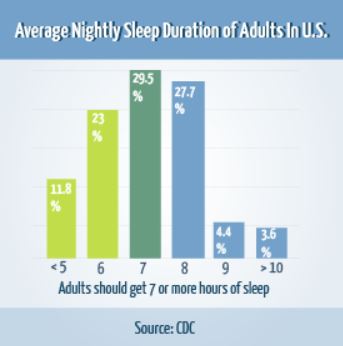 …these results indicate that sleep may play an important role in health disparities and may represent a modifiable risk factor (along with diet and physical activity) for cardiometabolic risk in general and cardiometabolic health disparities specifically.

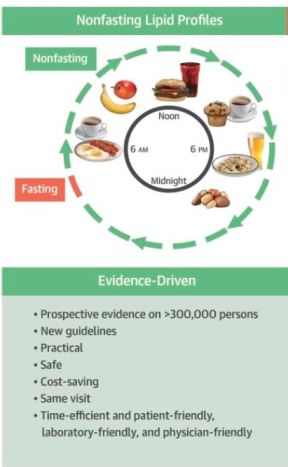 For the study, nearly 8,300 people at risk for heart disease had fasting and nonfasting lipid profile tests done at least four weeks apart. (Fasting means they had nothing to eat or drink except water for at least eight hours before the test.) The differences in their total, LDL, and HDL cholesterol values were negligible. Triglyceride levels were modestly higher in the nonfasting samples.
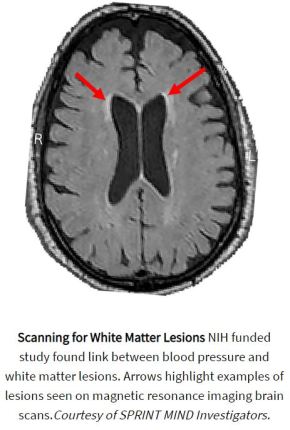 “These initial results support a growing body of evidence suggesting that controlling blood pressure may not only reduce the risk of stroke and heart disease but also of age-related cognitive loss,” said Walter J. Koroshetz, M.D., director of the NIH’s National Institute of Neurological Disorders and Stroke (NINDS). “I strongly urge people to know your blood pressure and discuss with your doctors how to optimize control. It may be a key to your future brain health.”
 Slower speech, for example, could indicate fatigue or sorrow at one point in time, but over longer periods could signal something more severe, co-founder Jim Harper said.
 Dr. Grace Dammann, medical director of the Pain Clinic at Laguna Honda Hospital, and seven of her colleagues talk about what does and does not work in the treatment of chronic pain. She talks as both a patient and a provider. There is also a discussion of various non-pharmacologic and complementary medicine modalities to treat pain.
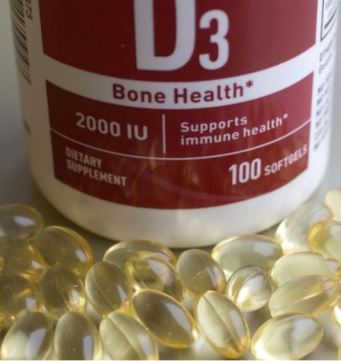 In people having lack of Vitamin D, the muscle strength of waist, back, neck decreases. Decreased muscle strength can cause herniated disc and cervical discal hernia. All of this is reflected in the patient’s pain. We wanted to pay attention to the necessity of considering the lack of Vitamin D in low back pain (LBP) which is one of the common complaints of our patients.
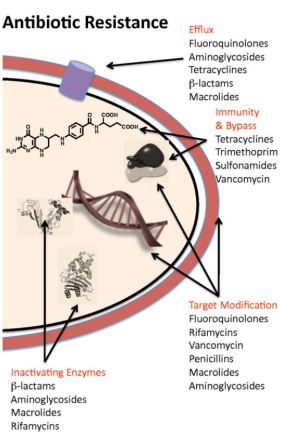 Antibiotic resistance is a global threat for public health. It is widely acknowledged that antibiotics at sub-inhibitory concentrations are important in disseminating antibiotic resistance via horizontal gene transfer. While there is high use of non-antibiotic human-targeted pharmaceuticals in our societies, the potential contribution of these on the spread of antibiotic resistance has been overlooked so far. Here, we report that commonly consumed non-antibiotic pharmaceuticals, including nonsteroidal anti-inflammatories (ibuprofen, naproxen, diclofenac), a lipid-lowering drug (gemfibrozil), and a β-blocker (propanolol), at clinically and environmentally relevant concentrations, significantly accelerated the conjugation of plasmid-borne antibiotic resistance genes.
 Intellicurious