
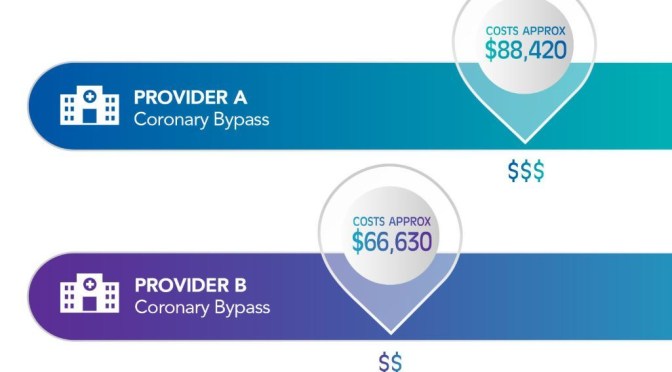
From a MiddleTownPress.com online article:
 The quality scorecard rates health care organizations through a five-star system on more than 30 health measures outlined by an advisory council composed of consumer advocates, providers, community organizations, state agencies, and payers. The range of measures focus on the quality of care provided by primary care providers and span more than 10 areas, including behavioral health, children’s health, women’s health, chronic conditions, and preventative health.
Health care organizations are also evaluated on patient experience in four categories: office staff, provider communication, timely care, and an overall patient experience rating.
Users can access interactive tables and graphs to compare provider networks, like Hartford HealthCare and Western Connecticut Health Network, to each other and the state average for any given health measure, such as asthma or diabetes. In addition, users can compare the overall performance rating of provider networks against all networks across all quality measures.
To read more click on following link: https://www.middletownpress.com/middletown/article/New-CT-health-care-rating-system-helps-patients-14290596.php
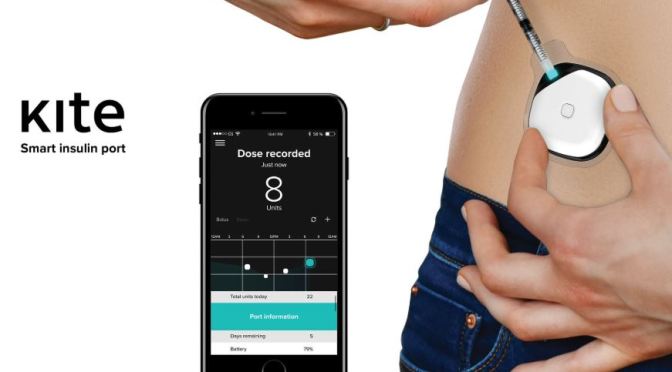
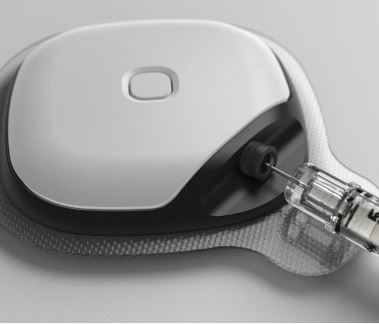 Imagine a smart insulin port attached to your skin, delivering the right dose, and at the right time. At the same moment, getting all information regarding your sugar levels, meds timings and health data, managed and analyzed with the accompanying app.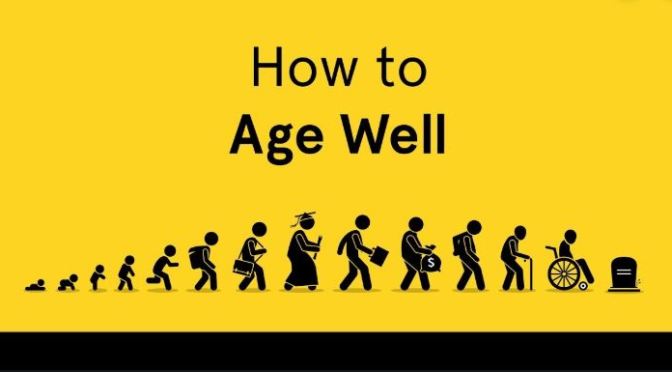
 Six factors measured by age 50 were excellent predictors of those who would be in the “happy-well” group–the top quartile of the Harvard men–at age 80: a stable marriage, a mature adaptive style, no smoking, little use of alcohol, regular exercise, and maintenance of normal weight. At age 50, 106 of the men had five or six of these factors going for them, and at 80, half of this group were among the happy-well. Only eight fell into the “sad-sick” category, the bottom quarter of life outcomes. In contrast, of 66 men who had only one to three factors at age 50, not a single one was rated happy-well at 80. In addition, men with three or fewer factors, though still in good physical health at 50, were three times as likely to be dead 30 years later as those with four or more.
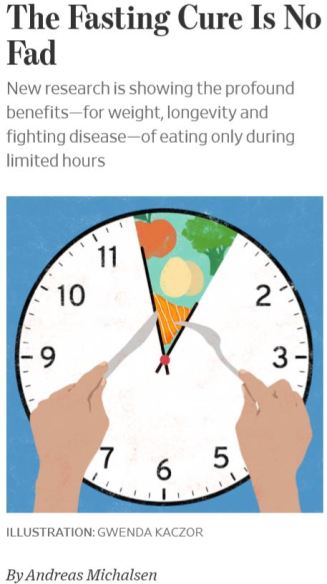 At the Charité University Hospital in Berlin, I’ve employed what’s called intermittent fasting, or time-restricted eating, to help patients with an array of chronic conditions. These include diabetes, high blood pressure, rheumatism and bowel diseases, as well as pain syndromes such as migraines and osteoarthritis.
 Low and high levels of hemoglobin are associated with an increased risk of dementia, including AD, which may relate to differences in white matter integrity and cerebral perfusion.

 A blood test to detect the brain changes of early Alzheimer’s disease has moved one step closer to reality. Researchers from Washington University School of Medicine in St. Louis report that they can measure levels of the Alzheimer’s protein amyloid beta in the blood and use such levels to predict whether the protein has accumulated in the brain. The findings represent a key step toward a blood test to diagnose people on track to develop the devastating disease before symptoms arise.

 This study, combined with the results of previous studies, supports the hypothesis that engaging in morning exercise may result in more weight loss compared to engaging in a similar amount of exercise later in the day. Furthermore, we observed individuals who performed most of their exercise sessions in the afternoon or evening tended to have slightly higher levels of EI and reduced NEPA and NEEx, suggesting that there are potentially important differences in the components of energy balance based on time of day exercise is performed.
 “We found staggering inconsistencies between how costs of dementia are calculated across studies and our analysis strongly supports that current estimates fail to recognise the true costs of the diseases, such as Alzheimer’s, that cause dementia. Some studies have estimated that out of pocket expenses for people with dementia are up to one third of their household wealth in the final five years of their life, and that caregivers have healthcare costs that are twice as high as non-caregivers. We also found evidence that costs begin rising up to 10 years prior to diagnosis — we need to better measure and factor all these into future societal cost estimates.”
 Intellicurious