 “Doctors and patients are increasingly recognizing the benefits of palliative care. People want care that helps them live as well as possible for as long as possible. Once people learn what palliative care is, they want it. So we’re training experts to meet this growing demand. We have one of the largest fellowship programs in the state, and we also train nursing students, medical students, and residents. We want all clinicians to know the basics of palliative care: how to manage pain, shortness of breath, and nausea and how to talk to patients about the things that matter most to them.”
What is palliative care?
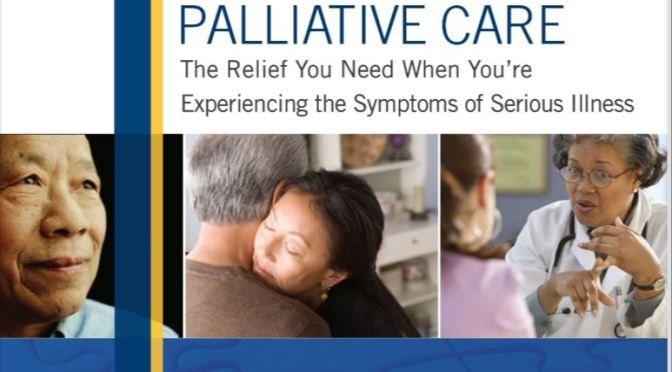
It’s medical care focused on improving the quality of life for people with serious illnesses. If you’re facing heart failure, cancer, dementia, ALS, or another such disease, we can help you live as well as possible for as long as possible. Palliative care is not about dying but, rather, about living.
Read more at: tinyurl.com/yxslx5v4
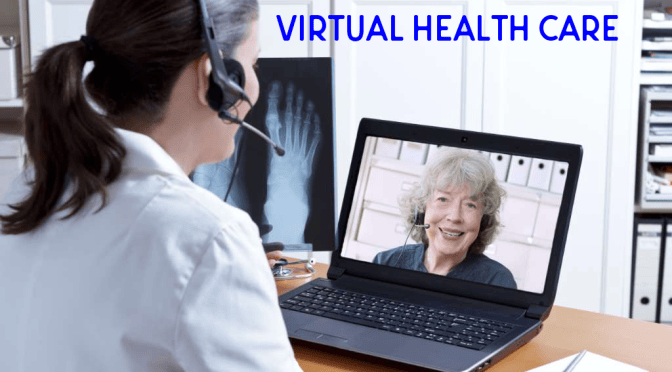
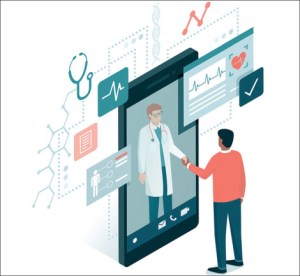 From time immemorial, an invariable feature of doctor–patient interaction has been that it takes place in person. But the status quo is changing. A large portion of patient care might eventually be delivered via telemedicine by virtualists, physicians who treat patients they may never meet.

 Fragility fractures occur in structurally weak bones due to aging and bone loss – osteoporosis. Dr. Anthony Ding explains what “fragility fractures” are, where they occur, what they mean to you, and how they are treated. Series: “Mini Medical School for the Public”.
 “Will price transparency lower health care costs? Economic theory and hospital opposition suggest it would, but the answer is not as straightforward as you might expect and could differ from market to market. Health care is a