
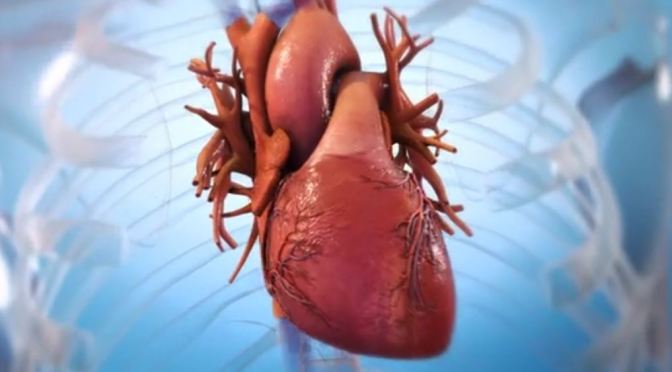
From an InterestingEngineering.com online article:
 “We are extremely proud of what we have accomplished, from the ability to 3D bioprint human cardiac tissue last summer to a mini heart with full structure now. These milestones are a testament to the hard work of our team and the proprietary process we have developed that enables this type of scientific achievement,” said Birla in a press release. “We believe we are at the forefront of whole heart bioengineering, a field that has matured quickly over the last year, and well-positioned to continue our rapid scientific advancement.”
BIOLIFE4D, the biotech company based out of Chicago, announced it has successfully demonstrated the ability to 3D bioprint a mini human heart, a big step in someday printing out a full-sized human heart that can be used for a transplant.
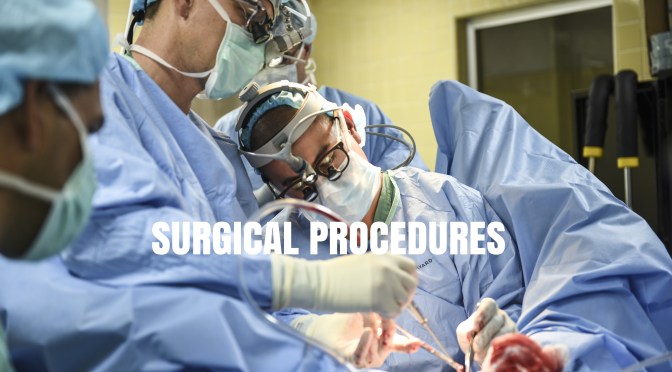
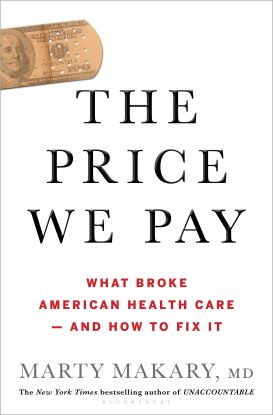 Dr. Makary examines the practice of performing unnecessary vascular procedures in a chapter of his new book, “The Price We Pay,” published Sept. 10. In it, he describes what seems to be the “predatory” practice of some doctors seeking out patients at health screenings in churches.
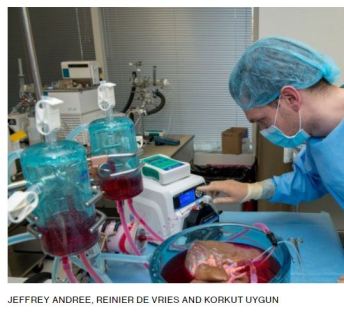 Researchers say they’ve successfully plunged human livers to subzero temperatures and then warmed them back up.
 Vim’s solution curates top providers and pairs patients with those providers, leveraging a combination of online booking and referral coordination. On the provider side, it
  Vim says it has access to 10,000,000 patient profiles and 150,000 providers through major U.S.-based health plan partners. In the next 12 months, it loftily intends to “meaningfully reduce” the $1 trillion of excess cost in health care in the U.S. by targeting inconsistencies in treatment.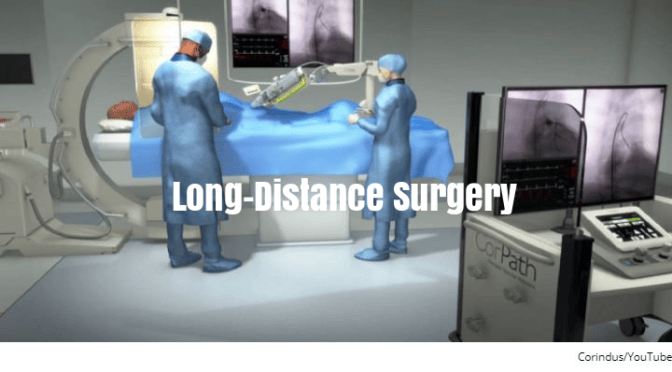
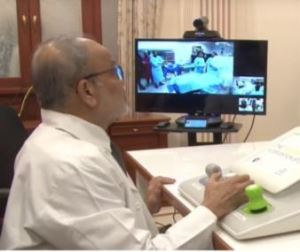 “Remote procedures have the potential to transform how we deliver care when treating the most time-sensitive illnesses such as heart attack and stroke. The success of this study paves the way for large-scale, long-distance telerobotic platforms across the globe, and its publication in Lancet’s EClinicalMedicine demonstrates the transformative nature of telerobotics,”
 The team found 85% of people first diagnosed with dementia were diagnosed by a non-dementia specialist physician, usually a primary care doctor, and an “unspecified dementia” diagnosis was common.
 In our study, we found significant associations between baseline teeth symptoms and change in episodic memory. Deficits in episodic memory (ie, ability to retain new information) are most common in older adults with mild cognitive impairment making them more likely to progress to Alzheimer’s disease dementia.
 Physical inactivity, smoking, high blood pressure, diabetes, and high cholesterol play a greater role than genetics in many young patients with heart disease, according to research presented today at ESC Congress 2019 together with the World Congress of Cardiology. The findings show that healthy behaviours should be a top priority for reducing heart disease even in those with a family history of early onset.
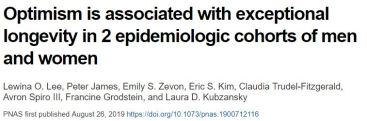 Our results further suggest that optimism is specifically related to 11 to 15% longer life span, on average, and to greater odds of achieving “exceptional longevity,” that is, living to the age of 85 or beyond. These relations were independent of socioeconomic status, health conditions, depression, social integration, and health behaviors (e.g., smoking, diet, and alcohol use). Overall, findings suggest optimism may be an important psychosocial resource for extending life span in older adults.
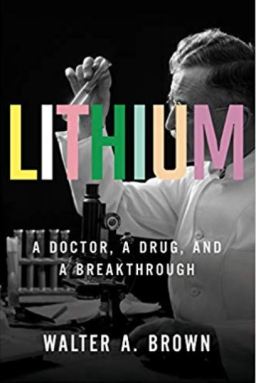 He wondered whether lithium could have the same tranquillizing effect on his patients. After trying it out on himself to establish a safe dose, Cade began treating ten people with mania. In September 1949, he reported fast and dramatic improvements in all of them in the Medical Journal of Australia (
 Intellicurious