
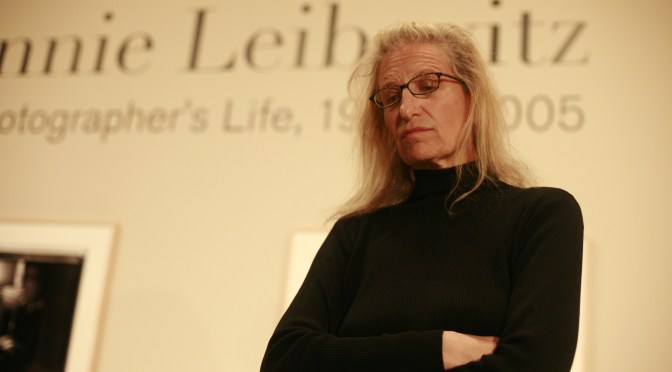
From an Art Review online article:
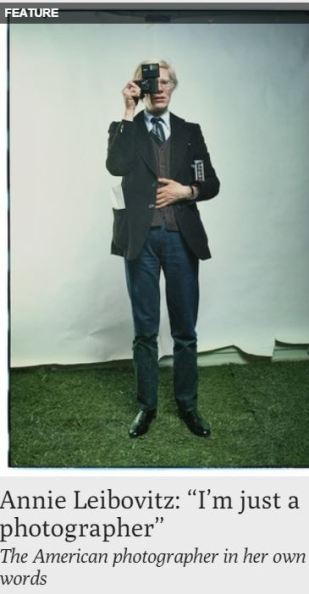 I chose to call myself a portrait photographer because labels were always being thrown on me. When I was at Rolling Stone I was a ‘rock-and-roll photographer’, at Vanity Fair I was a ‘celebrity photographer’. You know, I’m just a photographer. I realised I wasn’t really a journalist. I have a point of view and, while these photographs that I call portraits can be conceptual or illustrative, that keeps me on the straight and narrow. So I settled on this brand called ‘portraits’ because it had a lot of leeway. But I don’t think of myself that way now: I think of myself as a conceptual artist using photography.
 I remember going to the Factory in 1976 and watching Andy Warhol work. I’d been there before, earlier in the 70s, photographing Joe Dallesandro and Holly Woodlawn, and then Paul Morrissey. Warhol was a fixture of New York. It was just shocking when he died, because he was everywhere. I don’t know how he did it, but he was out at everything. You felt that if he was at a place you were at, then you were at the right place.
Warhol had things everywhere in the Factory – silkscreens all over the place, and tables of artwork – and things were always going on. I think Fran Lebowitz was there for Interview magazine, and [Warhol] was photographing the sisters from Grey Gardens [1975]. I was just a fly on the wall: there were people milling around doing all kinds of things, it was a pretty active place.
To read more: https://artreview.com/features/ara_winter_2019_annie_leibovitz/
 One of the most successful artists of the Italian Renaissance, Titian was the master of the sixteenth-century Venetian school and admired by his royal patrons and fellow artists alike. Several of his contemporaries, including the authors and art theorists Giorgio Vasari, Francesco Priscianese, Pietro Aretino, and Ludovico Dolce, wrote accounts of Titian’s life and work.
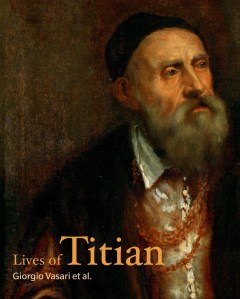 In this episode, Getty assistant curator of paintings Laura Llewellyn discusses what these “lives” teach us about Titian and the artistic debates and rivalries of his time. All of these biographies are gathered together in Lives of Titian, recently published by the Getty as part of our Lives of the Artists series.
 The Credit Suisse Exhibition: Gauguin Portraits 7 October 2019 – 26 January 2020 Book tickets online and save, Members go free:
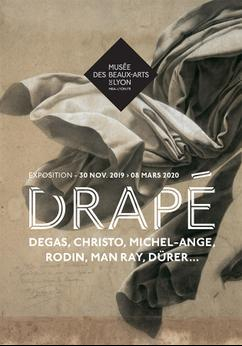 How is a drapery put in place? For what reasons does this motive persist until today? How to explain its power of fascination? These are the questions that this exhibition intends to pose, in order to enter the “factory” of the drapery and to get closer to the artistic gesture. By showing the stages of making a drapery, the visitor will discover the singular practices of artists from the Renaissance to the second half of the 20th century.
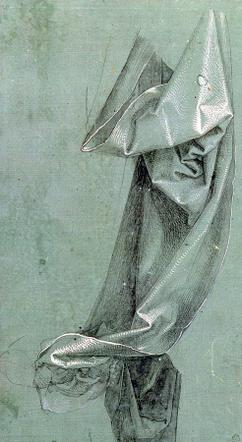 Albrecht Dürer, Drapery Study, 1508, Brush and Indian Ink, heightened white on dark green paper
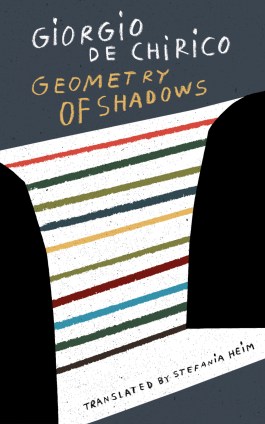 “Everywhere is the wait and the gathering,” concludes “Resort.” A kind of soporific haze has seeped into de Chirico’s imagination, asserted through evocations of sleeping and dreaming. Even the violence and ambiguous sexual imagery of “The Mysterious Night” yield to a final note of definitive somnolence: “Everything sleeps; even the owls and the bats who also in the dream dream of sleeping.”
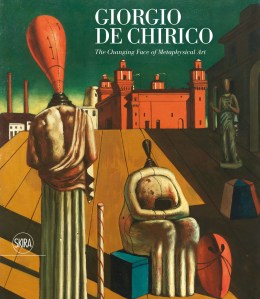 He daydreams of Mexico or Alaska and invokes a future-oriented “avant-city” and a distant day where he is immortalized, albeit in an old-fashioned mode as a “man of marble.”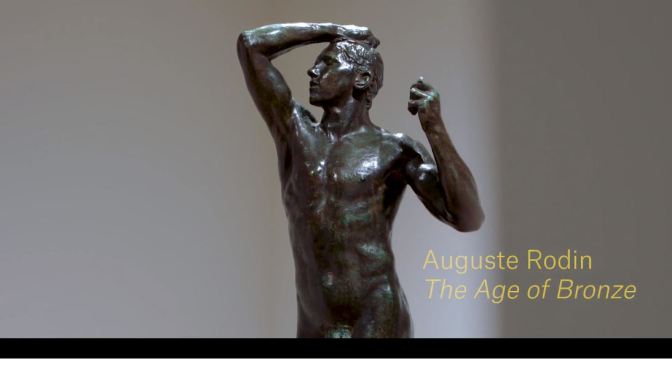
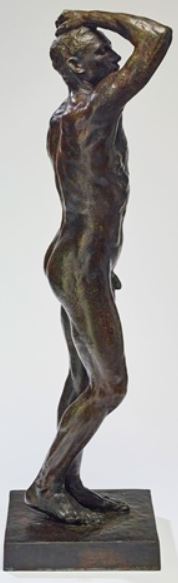 Rodin first exhibited a bronze and a plaster version of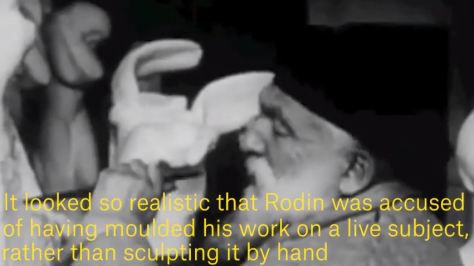

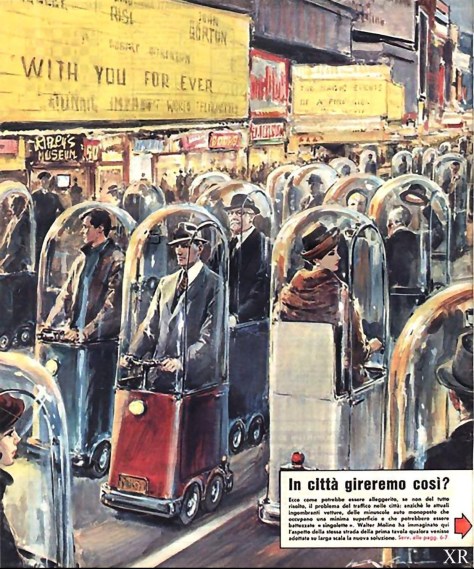 It is unclear why people in the 1950s thought this was a practical way to travel; not only it looks like it is impossible to breathe in there, who would want to stand upright while driving? It would definitely ease the traffic; however, probably no one would want to use it.
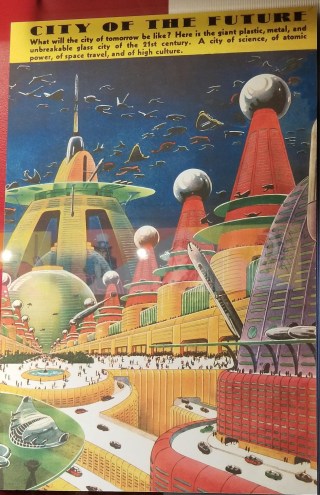 Towering transmitters in the city and private-jet traffic in the sky… This is a prediction that was made probably too early and it is definitely not so far from reality. Today, we paint a similar future for smart-cities and sci-fi movies depict the future cities in the same manner. It seems that older generations and we have a similar vision of the future look of the world.
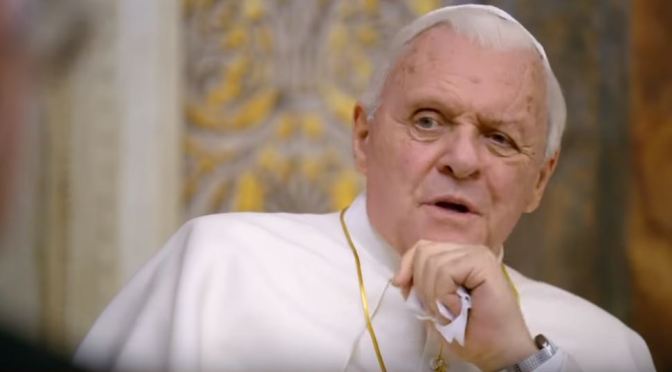
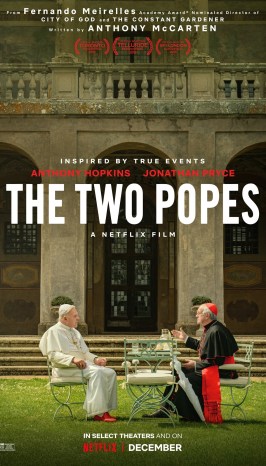 “The script is about questioning the nature of existence. I think about that every day of life. What is the purpose of life? As I get older, I look back on my own life as if it’s a novel written by someone else. To me it’s all a mystery. I started out over 60 years ago. My first job was, my God, 62 years ago and here I am. I don’t understand any of it. They gave me work, and I continued to work. It’s only just recently looking back, I thought, ‘My goodness, who designed this life? I certainly didn’t.’ I don’t know what’s life or destiny or kismet or God. I don’t want to get too philosophical about it. I’m fascinated about the mystery of life, about how we get through it, how we survive. I have no answers and I can’t take credit for any of it.”
 Intellicurious