The arresting visual beauty of “A Hidden Life,” which was shot by Joerg Widmer, is essential to its own argument, and to Franz’s ethical and spiritual rebuttal to the concerns of his persecutors and would-be allies. The topography of the valley is spectacular, but so are the churches and cathedrals. Even the cells and offices are infused with an aesthetic intensity at once sensual and picturesque.
The hallmarks of Malick’s later style are here: the upward tilt of the camera to capture new vistas of sky and landscape; the brisk gliding along rivers and roads; the elegant cutting between the human and natural worlds; the reverence for music and the mistrust of speech. (The score is by James Newton Howard.)
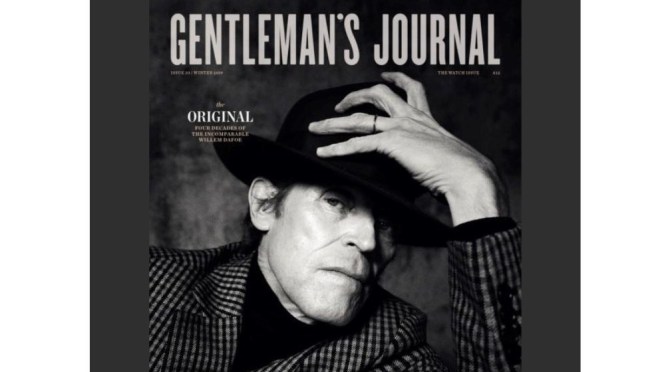
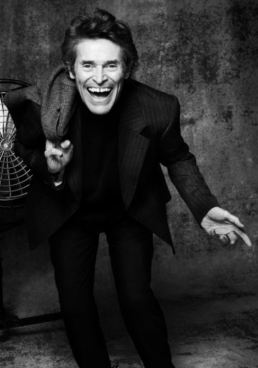
Thankfully, Willem Dafoe and Willem Dafoe’s face have used this innate recognisability to their joint advantage. To date, the actor has appeared in well over 100 films, and his prolific career can be charted through the cracks and comments — some nice, some not so nice — that those in the industry have made about his looks.
In fact, in the intervening decades, Hollywood has called many, many times — as have independent filmmakers, foreign studios, animation houses, video game developers and scores of theatres. On the big screen, Dafoe has taken roles in Platoon, Mississippi Burning, Born on the Fourth of July, The English Patient, American Psycho and Shadow of the Vampire. He flew into The Aviator for a cameo, swung into the Spider-Man trilogy as the villainous Green Goblin and dipped his toe in voiceover work with Finding Nemo. He’s taken on John Carter, John Wick and narrated films from Vox Lux to The Great Wall. He’s been Oscar-nominated several times, for playing characters as wild and disparate as hammy vampires, Floridian motel managers and Vincent van Gogh. The man is a chameleon — and has managed to become one despite having Willem Dafoe’s face.
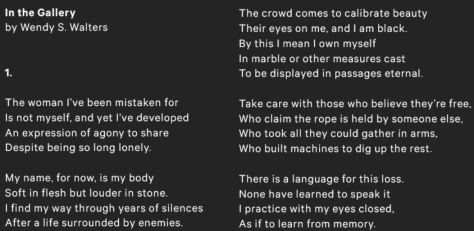
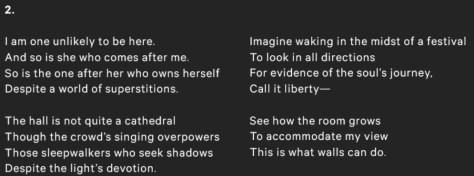
“It is critical to reckon with the power imbalance enacted when a white male artist transposes the body of a black woman into an emblem of enslavement.”
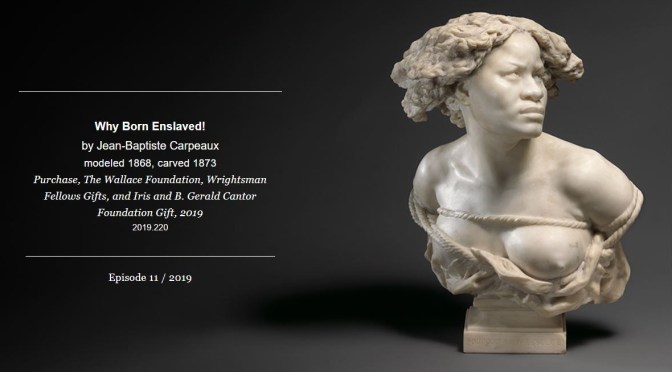
Why Born Enslaved! was first conceived in 1868 by Jean-Baptiste Carpeaux, one of the greatest French sculptors of the nineteenth century. The bust portrays a woman straining against a rope pulled taut around her arms, back, and breast. Her shoulders project forward and the right tendon of her neck protrudes as she twists her body in one direction and turns her head sharply in the other.
The figure’s defiant, uplifted gaze extends her spiraling movement and conveys her perseverance through pain as the work’s rhetorical title, inscribed on the sculpture’s base, proclaims, “Pourquoi Naitre Esclave!”
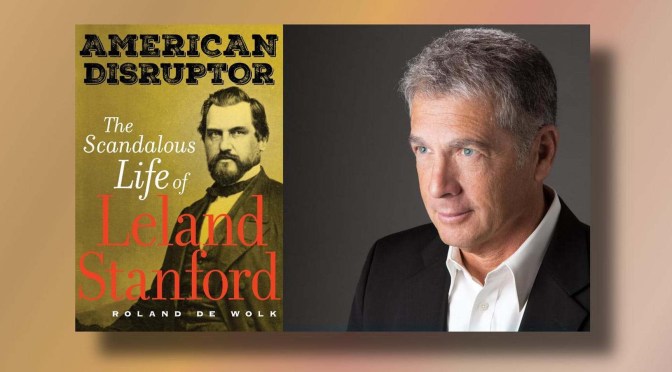
It is also the saga of how Stanford, once a serial failure, overcame all obstacles to become one of America’s most powerful and wealthiest men, using his high elective office to enrich himself before losing the one thing that mattered most to him – his only child and son. Scandal and intrigue would follow Stanford through his life, and even after his death, when his widow was murdered in a Honolulu hotel – a crime quickly covered up by the almost stillborn university she had saved. Richly detailed and deeply researched, American Disruptor restores Leland Stanford’s rightful place as a revolutionary force and architect of modern America.
American Disruptor is the untold story of Leland Stanford – from his birth in a backwoods bar to the founding of the world-class university that became and remains the nucleus of Silicon Valley. The life of this robber baron, politician, and historic influencer is the astonishing tale of how one supremely ambitious man became this country’s original “disruptor” – reshaping industry and engineering one of the greatest raids on the public treasury for America’s transcontinental railroad, all while living more opulently than maharajas, kings, and emperors.
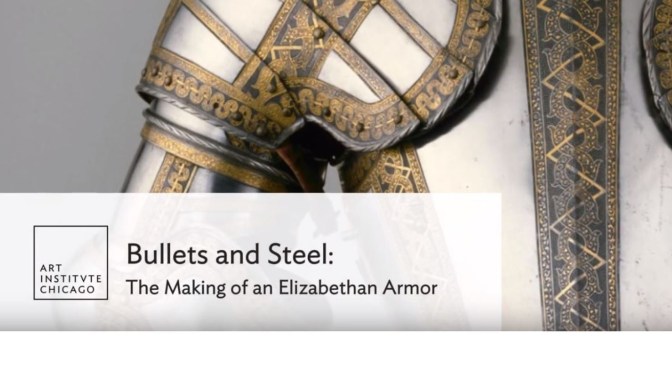
Jeffrey D. Wasson, the armorer who crafted the accurate replica of the Art Institute’s Greenwich armor, and Jonathan Tavares, the Art Institute’s associate curator of arms, armor and European decorative arts before 1700, discuss how utilizing experimental archaeology allowed them to uncover the methods used by Renaissance armorers in crafting the bulletproof protection.
Danny DeVito breaks down his most iconic roles, including his characters in ‘It’s Always Sunny in Philadelphia,’ ‘Batman Returns,’ ‘One Flew Over the Cuckoo’s Nest,’ ‘Taxi,’ ‘Throe Momma from the Train,’ ‘Twins,’ ‘Matilda,’ ‘Hercules,’ ‘L.A. Confidential,’ ‘Curmudgeons’ and ‘Jumanji: The Next Level.’
“The Academy Museum gives us the opportunity to honor the past while creating a building for the future—in fact, for the possibility of many futures. The historic Saban Building is a wonderful example of Streamline Moderne style, which preserves the way people envisioned the future in 1939. The new structure, the Sphere Building, is a form that seems to lift off the ground into the perpetual, imaginary voyage through space and time that is moviegoing. By connecting these two experiences we create something that is itself like a movie. You go from sequence to sequence, from the exhibition galleries to the film theater and the terrace, with everything blending into one experience.”
Renzo Piano, Architect
When it opens in the heart of Los Angeles, at the intersection of Wilshire Boulevard and Fairfax Avenue, the Academy Museum of Motion Pictures will be the world’s premier movie museum.
Situated on the famed “Miracle Mile,” the museum will preserve and breathe new life into the former 1939 May Company department store, now re-named the Saban Building. Celebrating its history and imagining new possibilities, the additions to the building that date from 1946 have been removed and replaced with a spherical building that features the 1,000-seat David Geffen Theater and the Dolby Family Terrace with views towards Hollywood. The revitalized campus will feature more than 50,000 square feet of gallery space, two theaters, cutting-edge project spaces, an outdoor piazza, the rooftop terrace, an active education studio, a restaurant, and store.
Larry David stars as… Larry David, living the good life out in Los Angeles and stumbling through one faux-pas after another. Curb Your Enthusiasm returns for its tenth season Sunday, January 19 at 10:30PM.
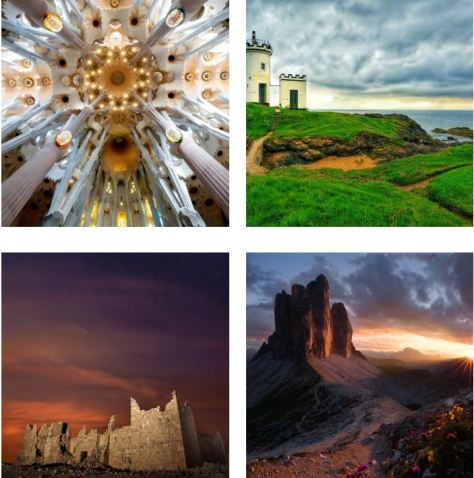
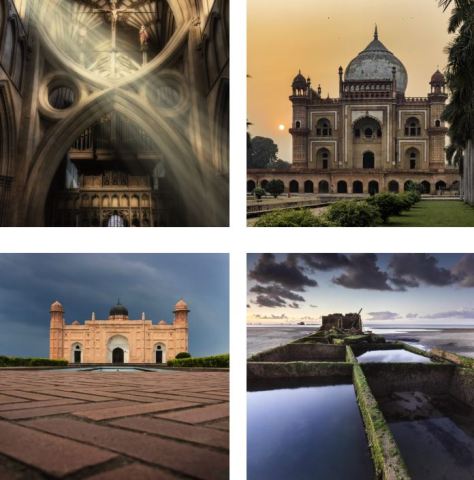
The Historic Photographer of the Year awards showcase the world’s very best historic places and cultural sites from across the globe, capturing everything from the most famous national treasures to the obscure and forgotten hidden gems.
The 2019 Awards attracted a swathe of astonishing entries from amateurs and professionals who have climbed, hiked and trekked their way to snap stunning historic places from every corner of the globe.
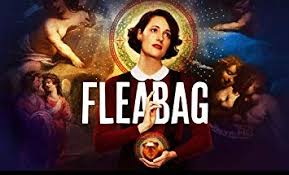
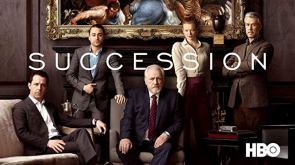
But while there is more great TV than ever before, the number of top-tier programs actually declined in 2018, making the task of assembling a Top 10 TV shows list easier than usual since so few shows stood out from the pack. That changed for the better in 2019, resulting in a Top 10 lineup that features only one returning series from 2018’s list. (Also, some of last year’s best shows, like Better Call Saul and Atlanta, didn’t air new episodes in 2019.)

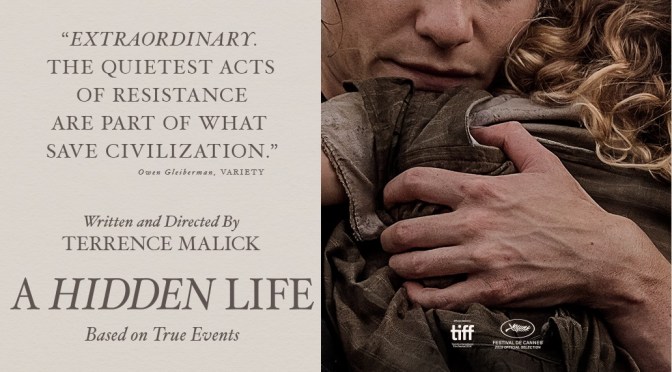
 The arresting visual beauty of “A Hidden Life,” which was shot by Joerg Widmer, is essential to its own argument, and to Franz’s ethical and spiritual rebuttal to the concerns of his persecutors and would-be allies. The topography of the valley is spectacular, but so are the churches and cathedrals. Even the cells and offices are infused with an aesthetic intensity at once sensual and picturesque.
 Thankfully, Willem Dafoe and Willem Dafoe’s face have used this innate recognisability to their joint advantage. To date, the actor has appeared in well over 100 films, and his prolific career can be charted through the cracks and comments — some nice, some not so nice — that those in the industry have made about his looks.
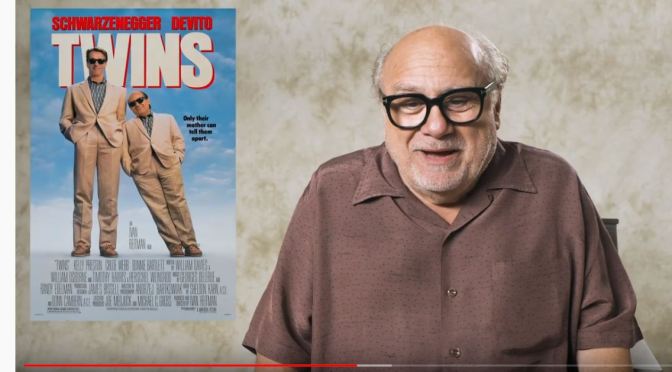
 Danny DeVito breaks down his most iconic roles, including his characters in ‘It’s Always Sunny in Philadelphia,’ ‘Batman Returns,’ ‘One Flew Over the Cuckoo’s Nest,’ ‘Taxi,’ ‘Throe Momma from the Train,’ ‘Twins,’ ‘Matilda,’ ‘Hercules,’ ‘L.A. Confidential,’ ‘Curmudgeons’ and ‘Jumanji: The Next Level.’
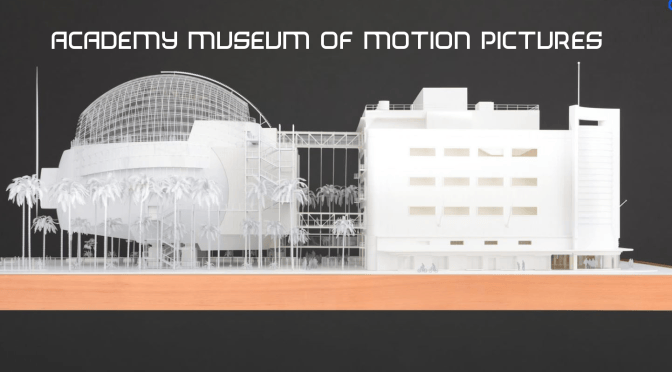
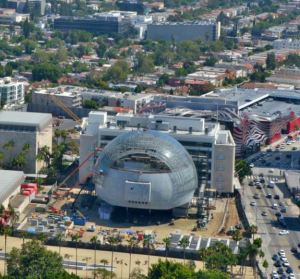 “The Academy Museum gives us the opportunity to honor the past while creating a building for the future—in fact, for the possibility of many futures. The historic Saban Building is a wonderful example of Streamline Moderne style, which preserves the way people envisioned the future in 1939. The new structure, the Sphere Building, is a form that seems to lift off the ground into the perpetual, imaginary voyage through space and time that is moviegoing. By connecting these two experiences we create something that is itself like a movie. You go from sequence to sequence, from the exhibition galleries to the film theater and the terrace, with everything blending into one experience.”
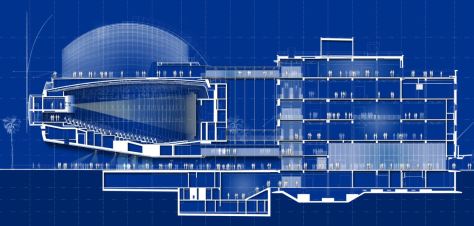
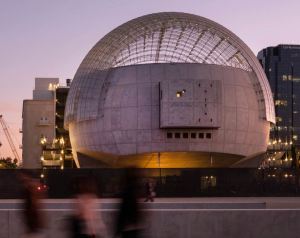 Situated on the famed “Miracle Mile,” the museum will preserve and breathe new life into the former 1939 May Company department store, now re-named the Saban Building. Celebrating its history and imagining new possibilities, the additions to the building that date from 1946 have been removed and replaced with a spherical building that features the 1,000-seat David Geffen Theater and the Dolby Family Terrace with views towards Hollywood. The revitalized campus will feature more than 50,000 square feet of gallery space, two theaters, cutting-edge project spaces, an outdoor piazza, the rooftop terrace, an active education studio, a restaurant, and store.
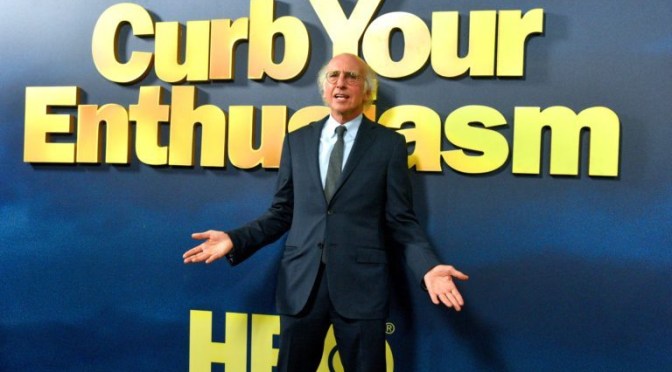
 Larry David stars as… Larry David, living the good life out in Los Angeles and stumbling through one faux-pas after another. Curb Your Enthusiasm returns for its tenth season Sunday, January 19 at 10:30PM.
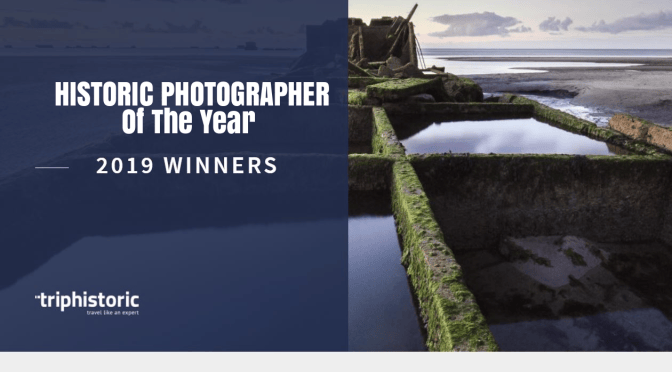
 The Historic Photographer of the Year awards showcase the world’s very best historic places and cultural sites from across the globe, capturing everything from the most famous national treasures to the obscure and forgotten hidden gems.

 But while there is more great TV than ever before, the number of top-tier programs actually declined in 2018, making the task of assembling