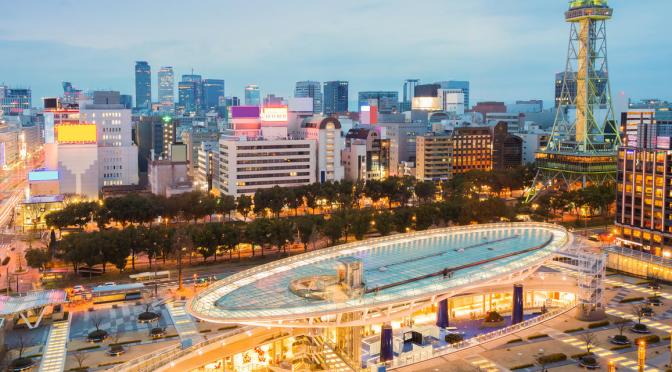
Nagoya, capital of Japan’s Aichi Prefecture, is a manufacturing and shipping hub in central Honshu. The city’s Naka ward is home to museums and pachinko (gambling machine) parlors. Naka also includes the Sakae entertainment district, with attractions like the Sky-Boat Ferris wheel, which is attached to a mall. In northern Naka is Nagoya Castle, a partly reconstructed 1612 royal home displaying Edo-era artifacts.
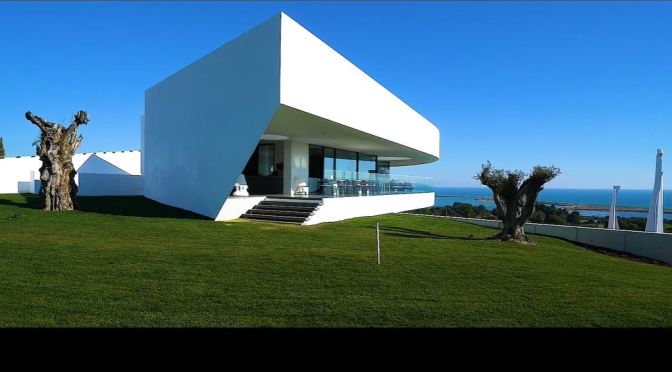
The film portrays a day at ‘Casa Voluta’ by the architect Mário Martins. This house was built by Nobislux, and the film also shows its strong relationship with the exterior space and the landscape.
arquitectura/architecture: Mário Martins Atelier construção/construction: Nobislux filme/film: Building Pictures dirigido por/directed by: Sara Nunes câmara/camera: Sara Nunes edição/edition: Sara Nunes sonoplastia/sound design: André Cardoso
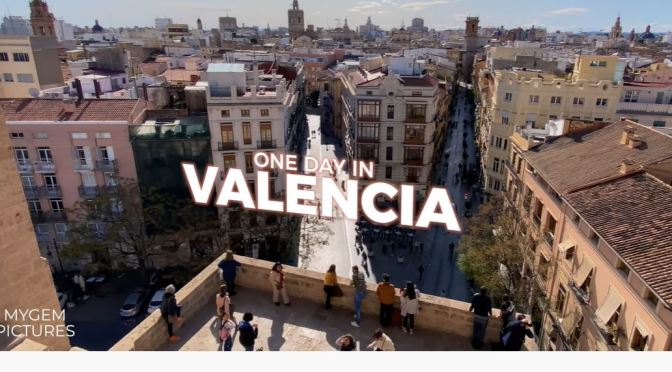
The Spanish city of Valencia offers a colourful mix of a beautiful old town with impressive Art Nouveau market halls, futuristic architecture, many green areas and wonderful beaches. There is a great joie de vivre, which is not surprising at all thanks to the Mediterranean climate – even in November, when I was visiting. The pleasant atmosphere and weather encourages you to spend time outdoor. I start my camera tour from the former defence towers Torres de Serranos and the impressive old town. And those who know me or my videos know that I am a big fan of old towns, and in Valencia there really is a lot to discover. Side trips to the Ciudad de las Artes y de las Ciencias with its futuristic architecture and the beach are of course are also a must.
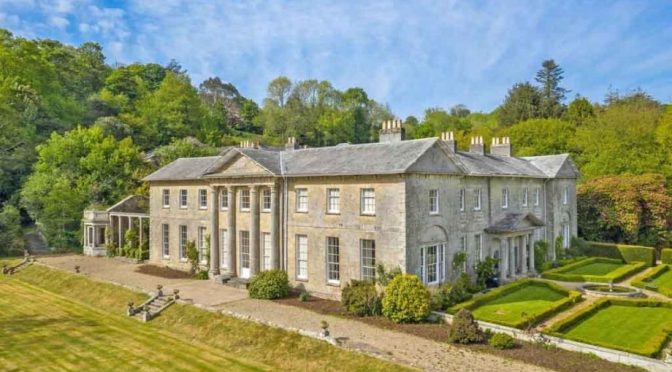
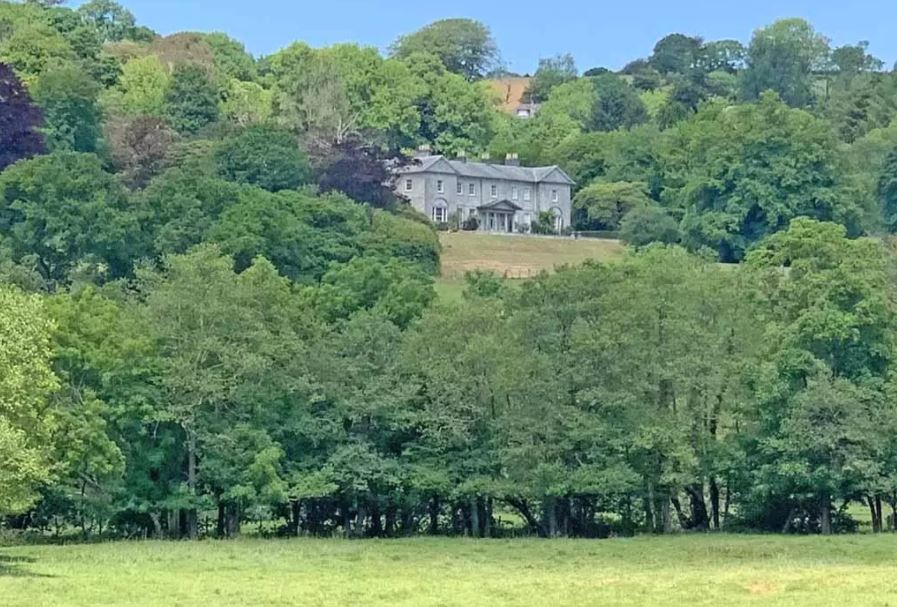
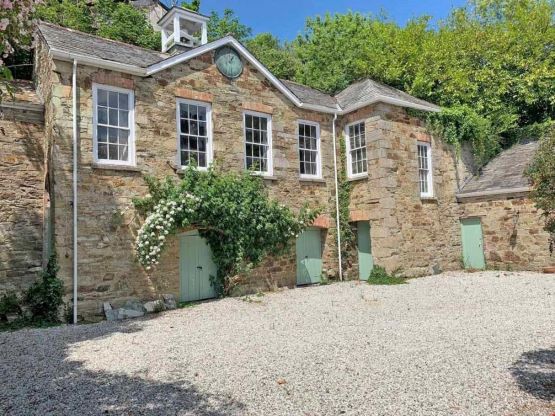
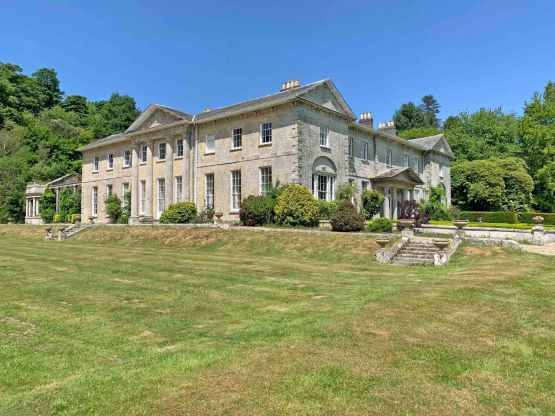
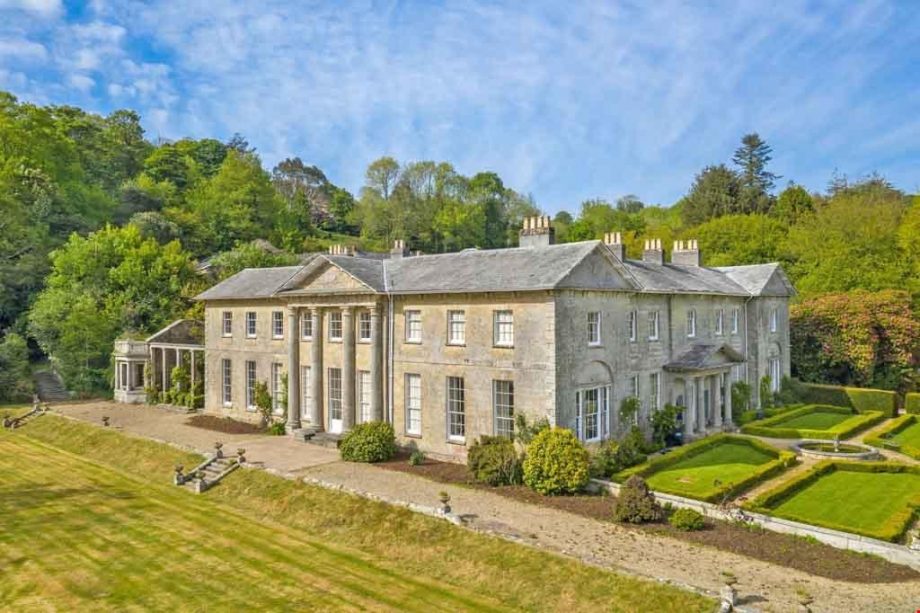
Much of the building as it stands today was completed in 1805 by Edmund Glynn, son of American Independence supporter John Glynn, but its history is much older.
Penny Churchill
June 9, 2021
The manor was mentioned in the Domesday Book and was later home to distinguished personages such as Henry II’s Justiciar, Richard de Lucy, and perhaps most extraordinary of all the Earl of Warwick, ‘the Kingmaker’.
In the 18th century, the estate belonged to Waterloo hero Sir Hussey Vivian and, in the 1960s, to Nobel-prize winning chemist Peter Mitchell.
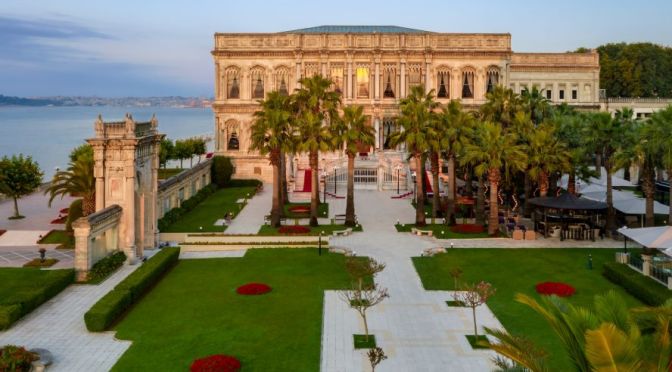
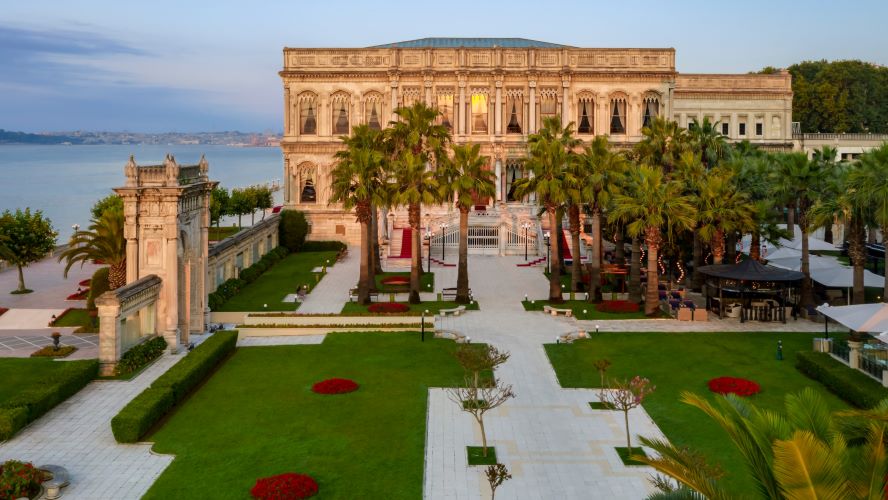
Istanbul has no shortage of spectacular hotels, from former sultans’ palaces to intimate boutique properties. The crème de la crème is the Çırağan Palace Kempinski, the oldest remaining part of which was built as Sultan Abdülaziz’s palace in 1871.
By Laura Itzkowitz
June 8, 2021
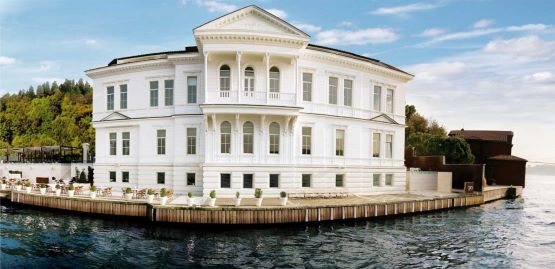
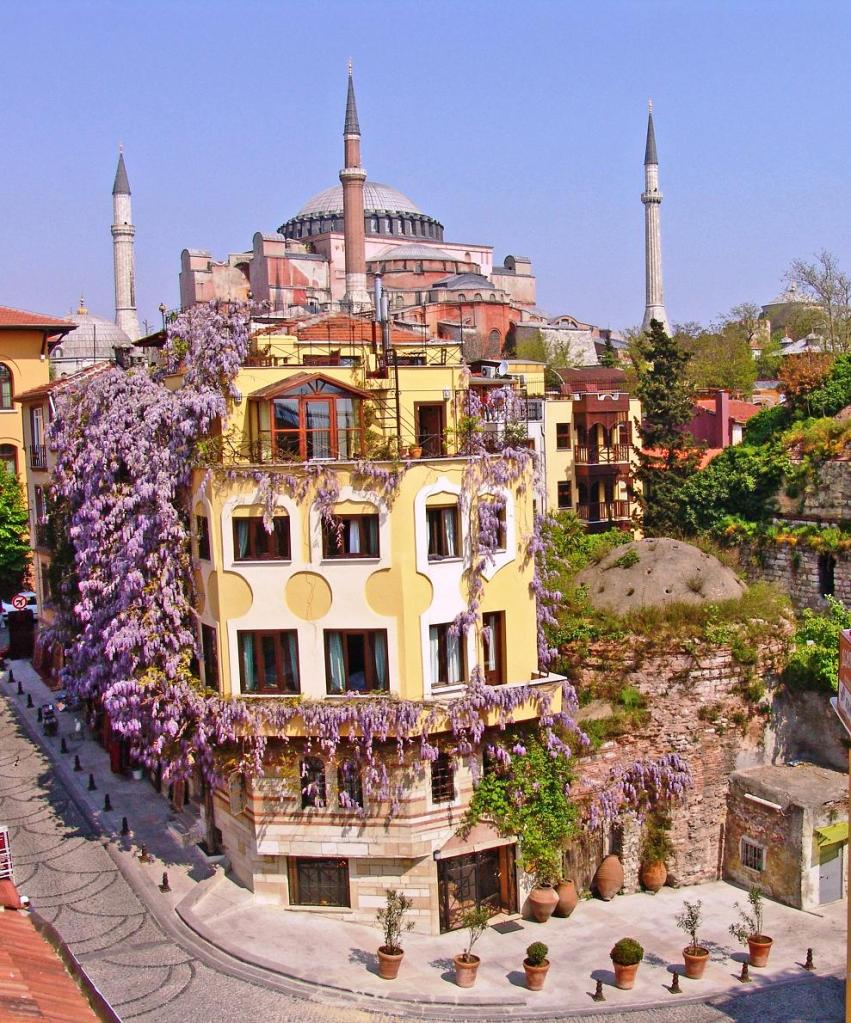
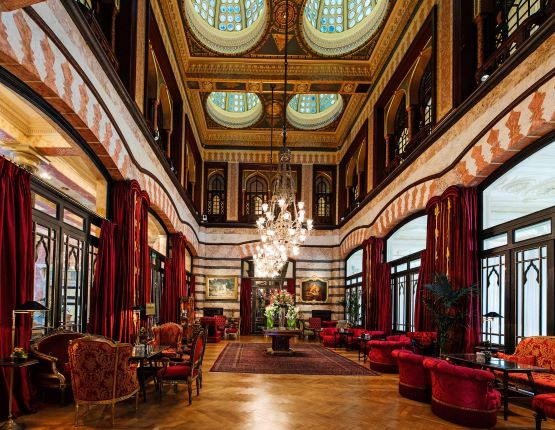
Napoleon Bonaparte once said, “If the earth were a single state, Istanbul would be its capital.” Spend a week there and you’ll begin to understand why. This massive metropolis of 15 million people quite literally bridges Europe and Asia. It has witnessed the rise and fall of empires, from the Roman Empire to the Byzantine Empire to the Ottoman Empire, each of which has left its trace on the city. For this reason, Istanbul is a playground for design lovers, who can gaze upon incredible palaces and mosques, shop for ceramics and textiles in the Grand Bazaar, drink and dine in stylish restaurants and bars, and sleep in some of the world’s most luxurious hotels.
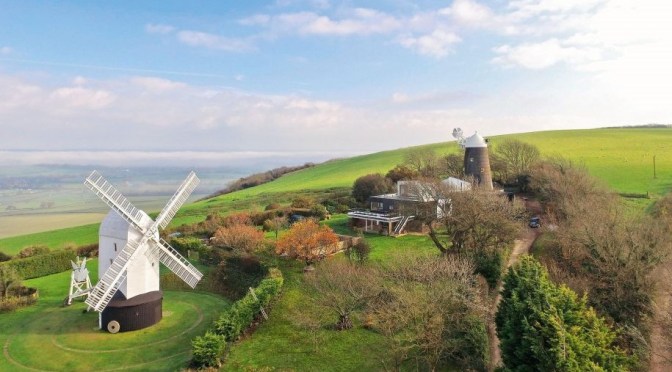
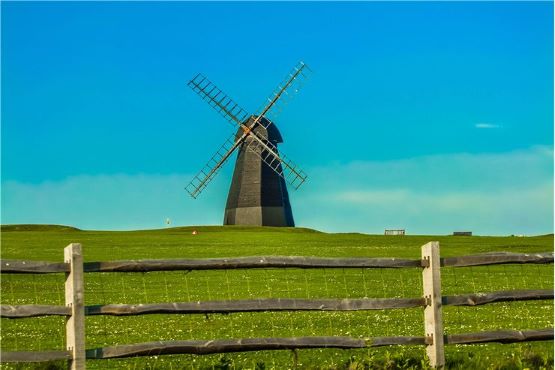
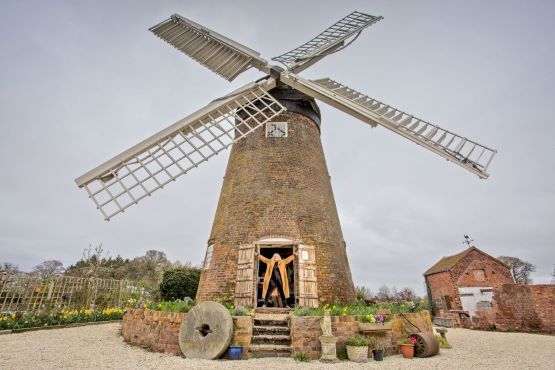
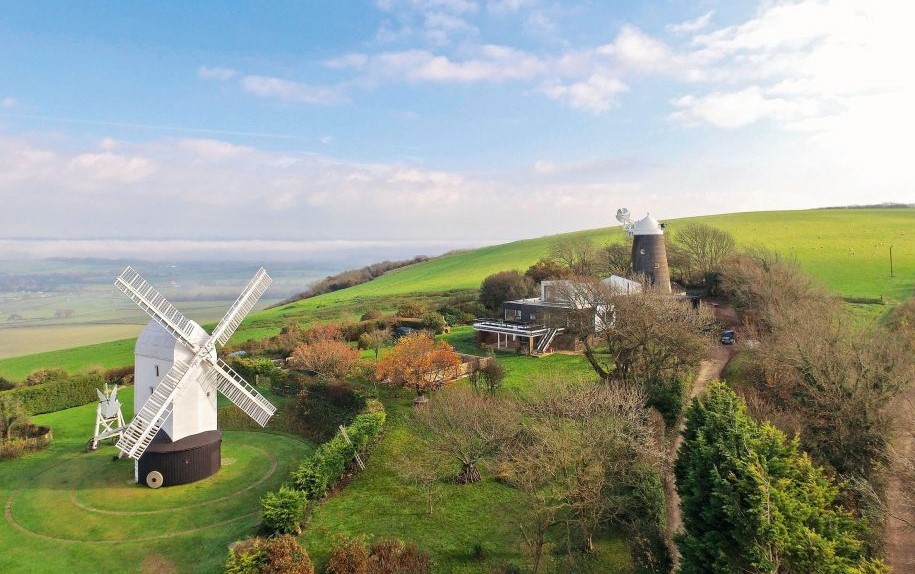
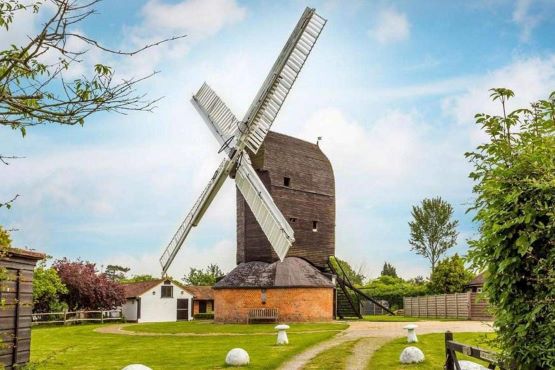
There are about 140 windmills left in the UK today — of these, about 40 still work. By comparison, explains Mildred Cookson, chair of the Society for the Protection of Ancient Buildings (SPAB)’s mills section, there were more than 1,000 in the 1890s.
They tend to take one of two styles: the brick-built tower mill, where only the cap rotates, or the wooden post mill, which fully rotates around a vertical post and dates to about 1185, when one was built at Weedly, East Yorkshire.
Some are more famous than others. John Constable painted the mill at Petworth, West Sussex, and, in Buckinghamshire, Cobstone features as the home of Caractacus Potts in the 1968 film adaptation of Ian Fleming’s Chitty Chitty Bang Bang. In the BBC’s mystery crime series Jonathan Creek, starring Alan Davies, it’s King’s Mill in Shipley, West Sussex, that steals the show.
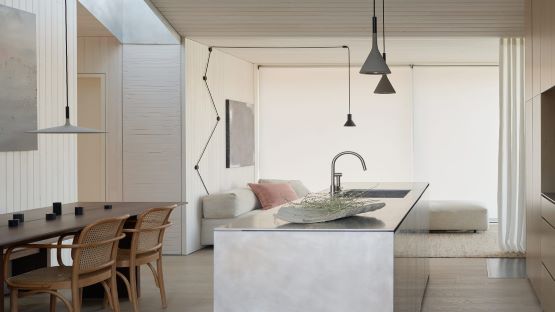
“We wanted the interior to act as a canvas for natural light and convey an overall appearance of lightness…”
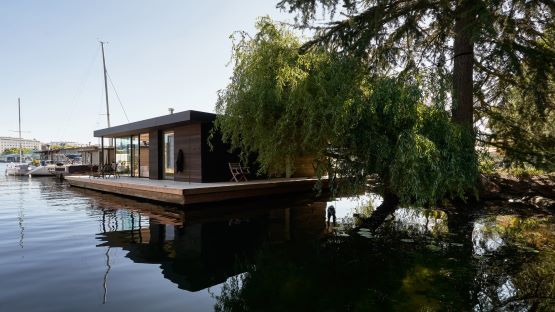
Stainless steel counters, aluminum lightwells, and whitewashed pine walls and ceilings help create a feeling of lightness—perfectly suited for a floating home on water.
Following a long tradition of floating homes in Seattle, the dwelling is located on the north end of Lake Union, in a spot called Portage Bay.
It was built on top of a log-float foundation dating to the early 1900s. The home sits close to the shore and has access to a garden.
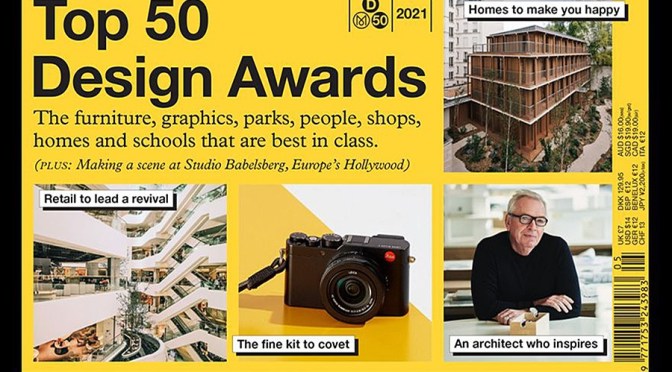
Monocle launched its inaugural Design Awards in early 2021 to celebrate the world’s best and brightest talents in architecture, graphic design and industrial design. We invite you to meet a global cast of winners as we celebrate pioneering design projects that make our lives healthier and happier, our cities smarter and our work more creative.
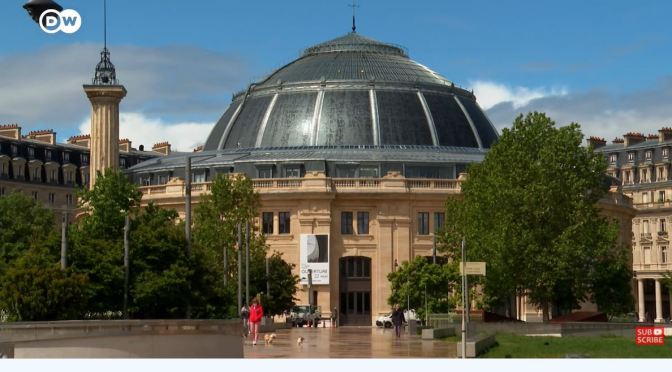
French billionaire François Pinault is not only one of the richest men in the world, he’s also an art collector of international renown. Now, he’s opening a museum for contemporary art in Paris. The new palace of art is located inside the former Bourse de Commerce, which has been redesigned by star architect Tadao Andō.
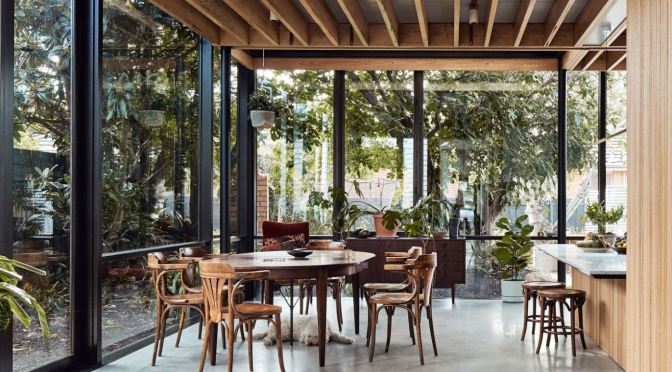
Nestled in the northern suburb of Coburg, Harry House by Archier is a Japanese-inspired home that radiates familiarity and comfort. As per the clients’ brief,
Harry House is a Japanese-inspired home, with Archier incorporating Japanese design into many aspects of the architecture. Originally, the site was a double-fronted pre-war weatherboard cottage; the clients wanted to retain the entry’s warmth but reorientate the living space to frame the green foliage. This allowed the space to be maximised, combining the old and new aspects of the building. Named after the family dog ‘Harry’,
Harry House experiments with interior design, space and usability. The materials were chosen with care, making sure that each element ages well and is robust for family life. The textures celebrate honest carpentry, with materials that are unpolished yet full of life, adding to the atmosphere of the home. Harry House is centred around family, with bespoke living areas that connect multiple aspects of the home. This includes the soft netted areas located in the voids, allowing the residents to occupy spaces without needing furniture. Archier’s extension adds new elements of play, specifically in its design references to a childhood treehouse. The client’s Japanese heritage inspired the house, including how the space interplays with natural light and connection to the lush gardens. Located 10 minutes from the Archier Studio, the house has access to the Merri Creek, as well as restaurants on Lygon Street and Sydney Road. As a Japanese-inspired home, the layout of the bathrooms was important for functionality and design. With separate spaces for the toilet, basin and bathing, it is easy to see how the architecture was influenced by the client’s heritage, honouring the traditional ways Japanese bathrooms are configured. Having exceeded the clients’ expectations, and taking design inspiration from the client’s Japanese heritage, Harry House by Archier is a sustainable home, ready to raise a young family. Architecture and Interior Design by Archier. Filmed and Edited by Dan Preston. Production by The Local Project.
News, Views and Reviews For The Intellectually Curious