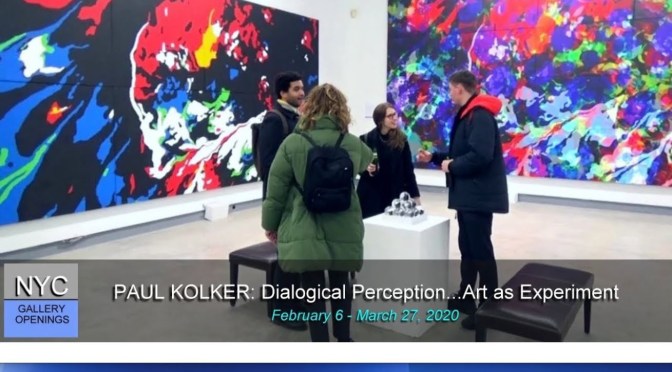
Paul Kolker is pleased to present his seventy-third solo exhibition, Dialogical Perception… Art as Experiment at his studio, the PAUL KOLKER collection, 511 West 25th Street from February 6 through March 27, 2020.
Paul Kolker (b. 1935) is a New York-based artist with doctorate degrees in medicine and law. He began his career of painting and sculpture in the 1960s, illustrating his peer review medical journal articles and life-casting anatomical models. In the 1970s he treated his art production as a post-minimalist experiment questioning experience and using the viewer as the measuring instrument as well as the interpreter of the experiment’s results. Many of his early works are sculptures, each painted in an elemental color, black or white.
In 1975 Kolker developed a keen and hands on understanding of light optics when he purchased a first generation three tube front end television projector with an alignment grid. That grid became the infrastructure for his works, which involved fractionation of a photographic image and the use of modular panels and canvases to create large scale works. In the 1980s Kolker began making light sculptures using one-way mirror and LED message screens, reflecting ad infinitum. In 2001, when he moved into his studio in Chelsea, he created an algorithm for a process of painting minimal shapes, such as a dot or square, in elemental colors (never mixed with each other, but sometimes mixed with black and/or white to form tints and shades). This process is called ‘fracolor’ in attribution to Benoit Mandelbrot’s fractal geometry, wherein minimal shapes and forms are serially replicated, like branches on a tree, rectangles on a grid, or pixels and dots on a television display screen.
As a result, Kolker’s works have become reminiscent of our pixelated world of digital information transfer, as we see it up close as grids of colored dots on our television, computer and cell phone screens; and how more highly defined that screen becomes when viewed from afar. His works are observational experiments which cry out to us, “Because of biases of color, shapes, parallax and perspective relative to where we stand as the observer, a dot may be a universe; and a universe may be a dot.”
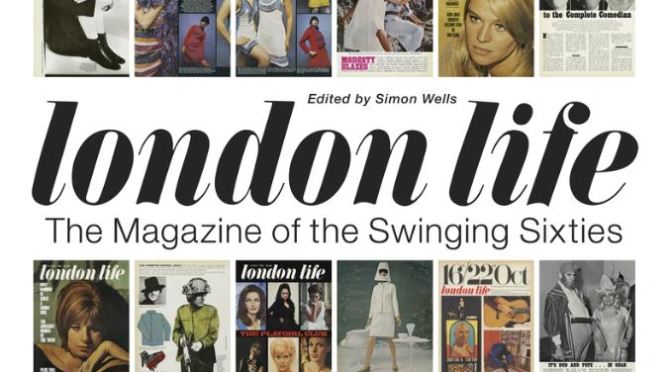
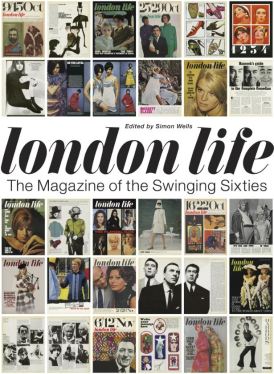 With imagery from the likes of David Bailey, Duffy and Terence Donovan, designs from Peter Blake, David Hockney, Gerald Scarfe and fledgling artist Ian Dury plus words and opinions from those riding high on the city`s cutting-edge, London Life remains the coolest document from the capital’s most exciting period.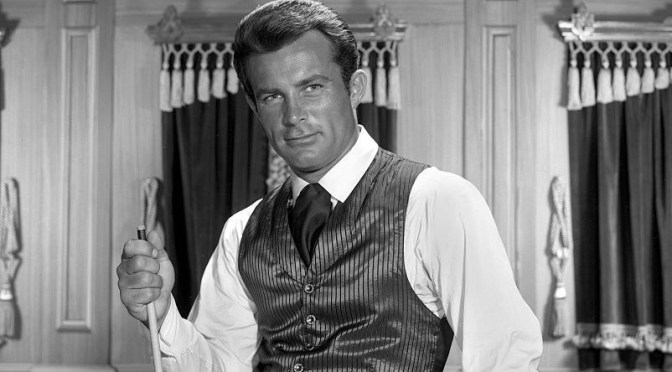

 Monocle 24’s “The Menu” talks to Lisbon’s rising culinary talent, João Sá, owner and chef of SÁLA.
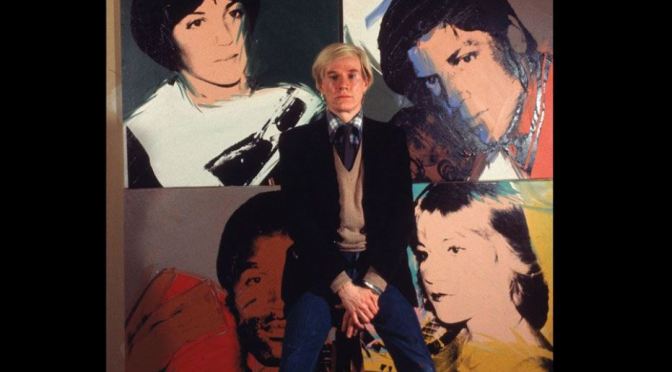
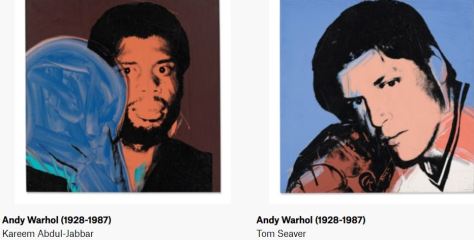
 ‘The sports stars of today are the movie stars of yesterday,’ proclaimed the artist. It was true; thanks to rapid advances in TV broadcasting, sporting champions in the 1970s were starting to achieve the same level of popularity as other entertainers.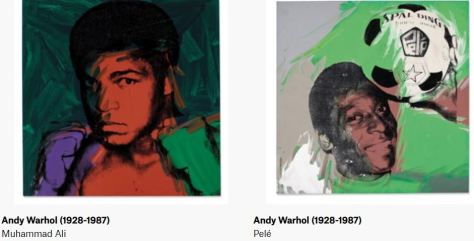




 What makes us who we are? What combination of memory, history, biology, experience and that ineffable thing called the soul defines us?