A 12-metre 3D-printed pedestrian bridge designed by Joris Laarman and built by Dutch robotics company MX3D has opened in Amsterdam six years after the project was launched.
The bridge, which was fabricated from stainless steel rods by six-axis robotic arms equipped with welding gear, spans the Oudezijds Achterburgwal in Amsterdam’s Red Light District.
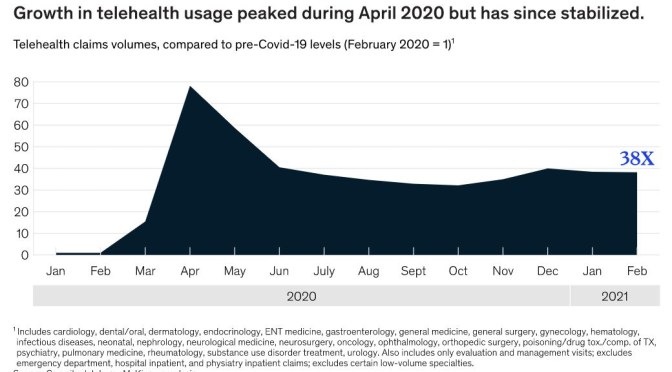
Telehealth utilization has stabilized at levels 38X higher than before the pandemic. After an initial spike to more than 32 percent of office and outpatient visits occurring via telehealth in April 2020, utilization levels have largely stabilized, ranging from 13 to 17 percent across all specialties.2 This utilization reflects more than two-thirds of what we anticipated as visits that could be virtualized.3
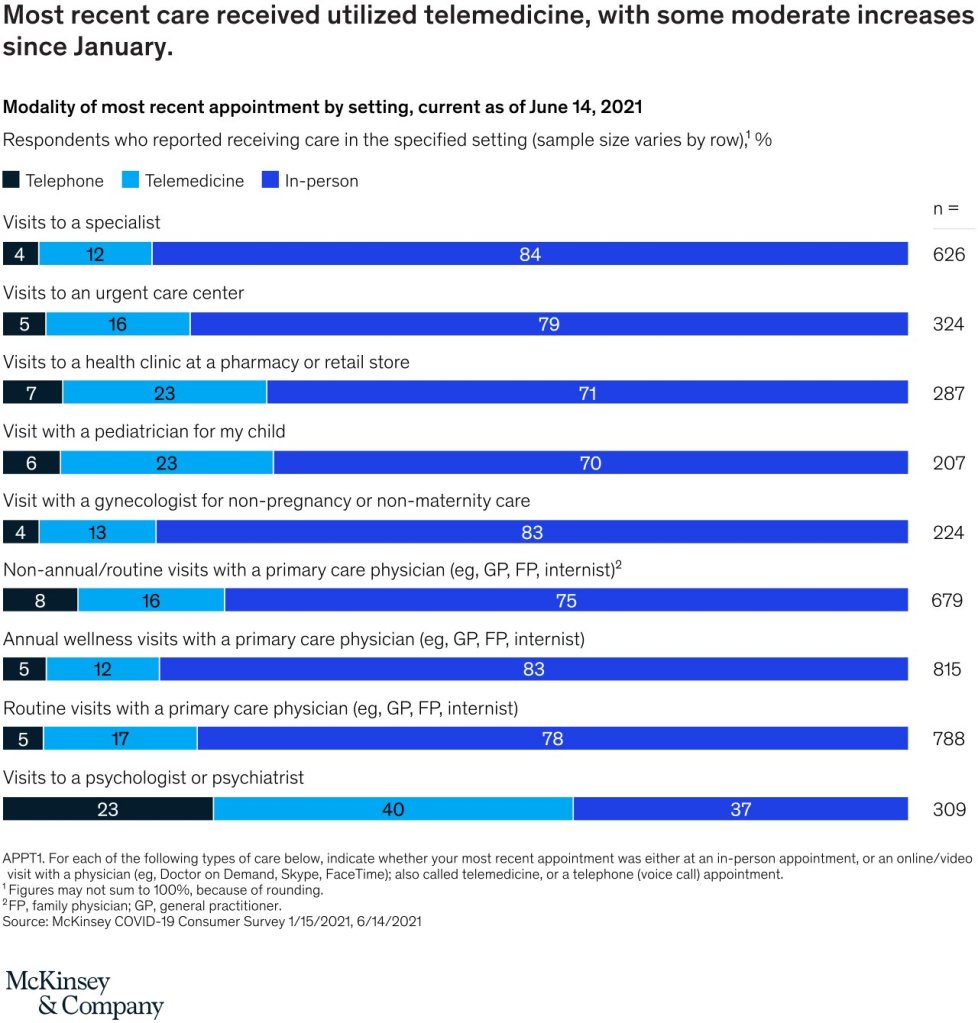
Similarly, consumer and provider attitudes toward telehealth have improved since the pre-COVID-19 era. Perceptions and usage have dropped slightly since the peak in spring 2020. Some barriers—such as perceptions of technology security—remain to be addressed to sustain consumer and provider virtual health adoption, and models are likely to evolve to optimize hybrid virtual and in-person care delivery.
Some regulatory changes that facilitated expanded use of telehealth have been made permanent, for example, the Centers for Medicare & Medicaid Services’ expansion of reimbursable telehealth codes for the 2021 physician fee schedule. But uncertainty still exists as to the fate of other services that may lose their waiver status when the public health emergency ends.
Investment in virtual care and digital health more broadly has skyrocketed, fueling further innovation, with 3X the level of venture capitalist digital health investment in 2020 than it had in 2017.4
Virtual healthcare models and business models are evolving and proliferating, moving from purely “virtual urgent care” to a range of services enabling longitudinal virtual care, integration of telehealth with other virtual health solutions, and hybrid virtual/in-person care models, with the potential to improve consumer experience/convenience, access, outcomes, and affordability.
Inside the company’s automated warehouse in China Chinese e-commerce giant Alibaba is challenging Amazon by promising fast deliveries from China to anywhere in the world. WSJ visits Alibaba’s largest automated warehouse to see how robots and a vast logistics network are helping it expand globally. Composite: Clément Bürge
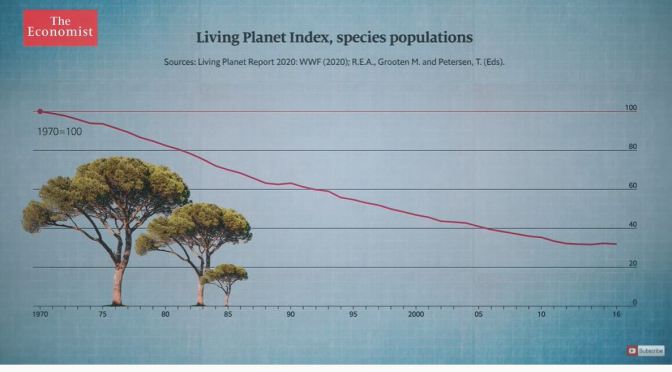
The world’s animals and wildlife are becoming extinct at a greater rate than at any time in human history. Could technology help to save threatened species? Read our latest technology quarterly on protecting biodiversity: https://econ.st/3dqdkKN
How close have you ever gotten to a wild bird? Can you remember the details of its plumage or the curvature of its beak? Did it sit in one place long enough for you to really study all of its colors and other characteristics? Probably not—at least if it was alive. The avid birders among us sometimes search their whole life for a glimpse of a particularly rare species. But if you are just a casual observer of the winged creatures around us, the ones you do see likely come and go as flashes of color and sound. For ornithologists, the elusive nature of birds is just part of the job. Beyond fieldwork, though, access to rare or extinct species or those with a limited range can be especially difficult to get. If you were, say, hoping to study the green-headed tanager (a riotously multicolored songbird native to South America) and unable to travel to the northeastern region of the continent where it can be found, you would have to ask a museum to send you a specimen in the mail. Access to rare specimens, such as those of extinct birds, can be especially difficult to get.
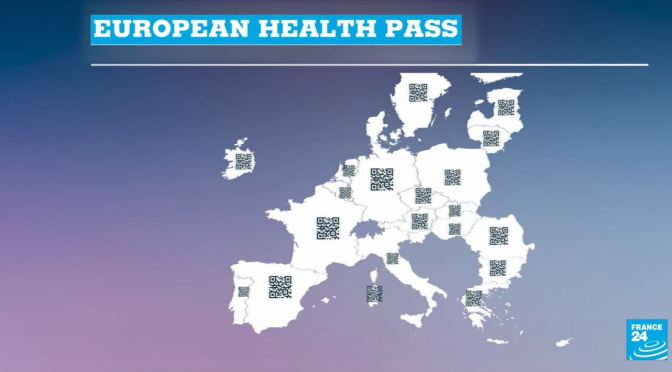
The EU has been working for months on a joint digital travel #certificate for those vaccinated, freshly tested, or recently recovered from the virus. The free certificates, which will contain a QR code with advanced security features, will allow people to move between #European countries without having to quarantine or undergo extra coronavirus tests upon arrival. The pass is already available in France.
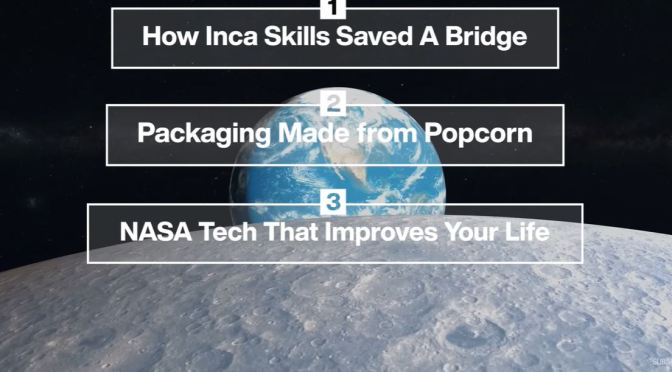
This week, we’re highlighting these four top stories: watch Peruvians fix an ancient bridge with just wild grass and ancient Inca skill, see how NASA is improving life on Earth, learn how a movie snack is being turned into packaging and catch the latest technology making our world a more sustainable place.
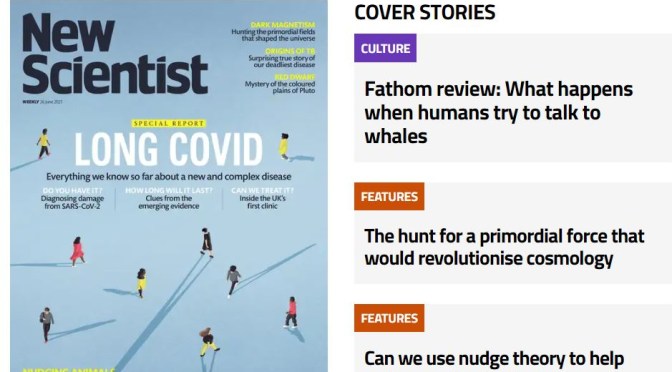
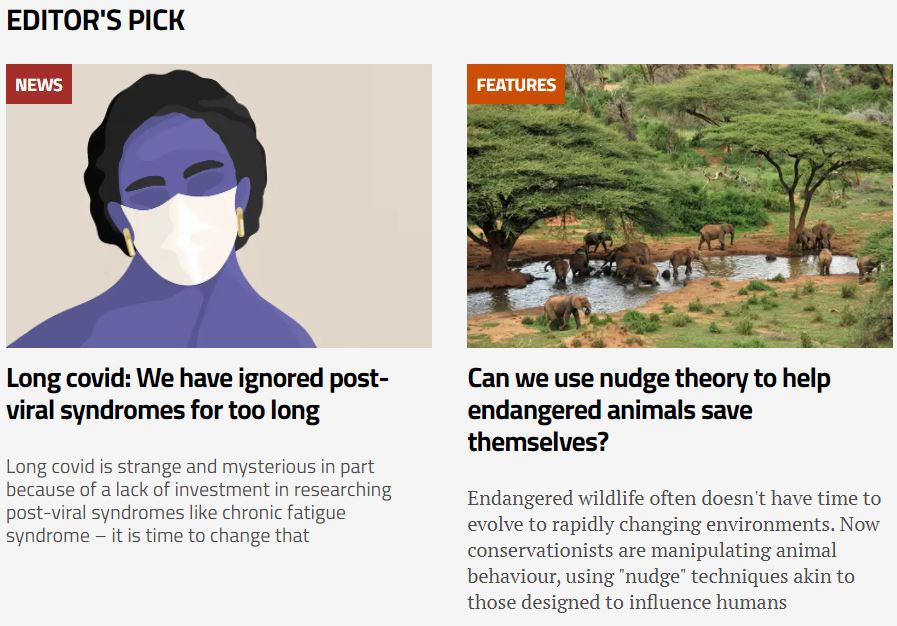
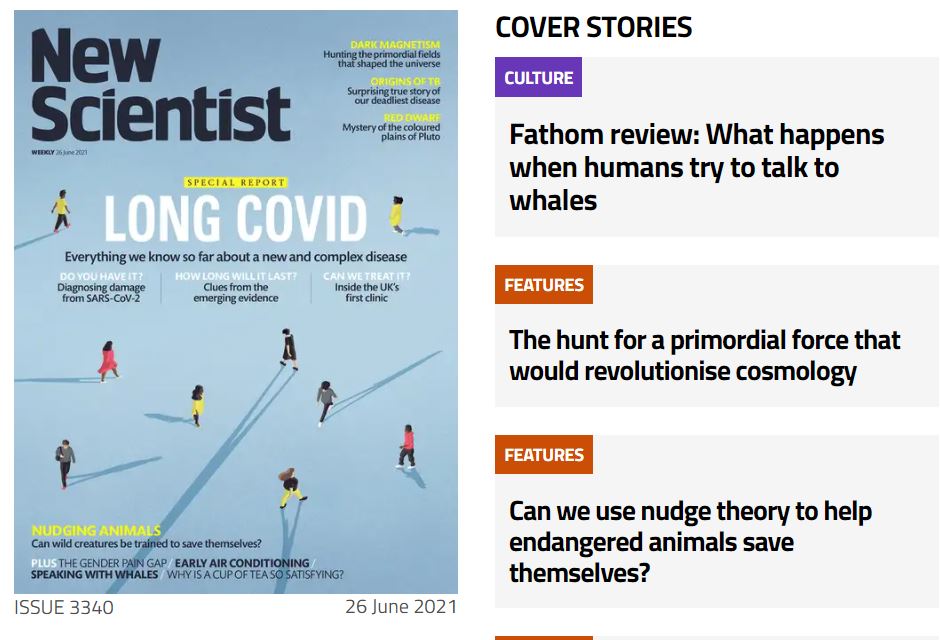
Long covid is strange and mysterious in part because of a lack of investment in researching post-viral syndromes like chronic fatigue syndrome – it is time to change that…
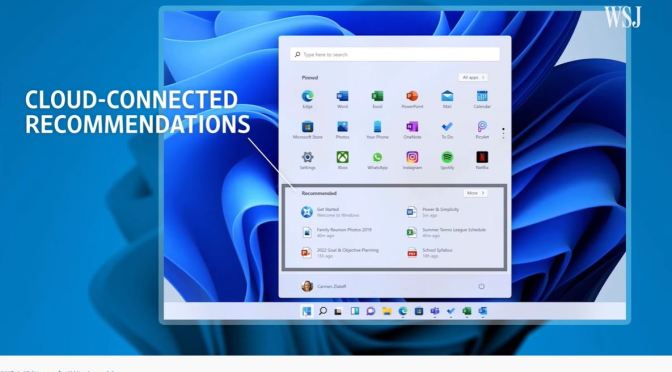
Windows 11, due out later this year, is full of new features, including a new Start menu that’s been moved to the center and a Microsoft Store with Android apps. In an exclusive interview, WSJ’s Joanna Stern spoke with Microsoft CEO Satya Nadella about the software, the influence of the pandemic and his strategy of competing with Google and Apple. Photo illustration: Alex Kuzoian/The Wall Street Journal
News, Views and Reviews For The Intellectually Curious






 Intellicurious