
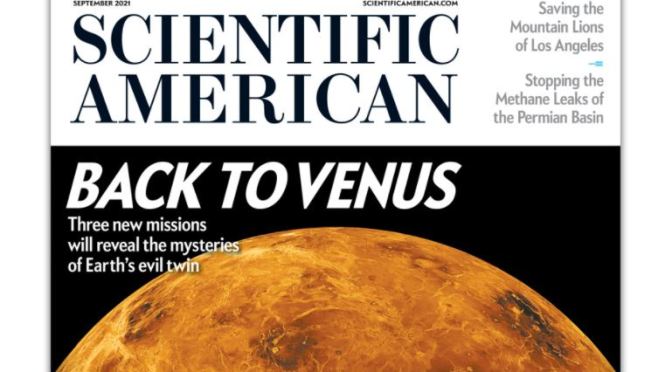
Three new space missions are set to reinvigorate studies of Earth’s long-neglected neighbor, potentially revealing how and why it became our planet’s evil twin.
— Scientific American (@sciam) August 18, 2021
Learn more about how NASA is lifting the "Venus curse" in our September issue: https://t.co/kElcwTd5p6 pic.twitter.com/z8Jyrcrp2u
Tag Archives: Science
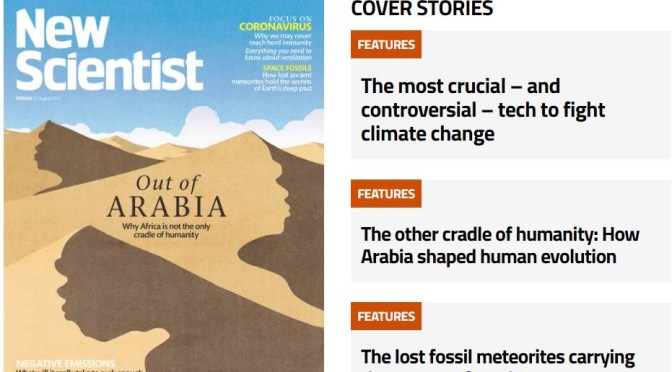
Previews: New Scientist Magazine – August 21

Science: Research Paper Translation, Sustainable EV’s & Giant Centipedes
A team is creating bespoke words for scientific terms in African languages, and the sustainability of the electric car boom.
00:46 Creating new words for scientific terms
Many words that are common to science have never been written in some African languages, or speakers struggle to agree what the right term is. Now a new project aims to change that, by translating 180 research papers into six languages spoken by millions of people across the continent of Africa.
11:48 Research Highlights
A rainbow of biodegradable inks derived from brown seaweed, and the enormous centipede that preys on baby birds.
Research Highlight: From drab to dazzling: seaweed yields sparkling coloured inks
Research Highlight: The giant centipede that devours fluffy baby seabirds
13:58 How sustainable is the electric car boom?
As electric cars become more ubiquitous, manufacturers will have to up the production of batteries needed to power them. But that begs the question – can they be mass produced in a sustainable way?
News Feature: Electric cars and batteries: how will the world produce enough?
24:06 Briefing chat
We discuss some highlights from the Nature Briefing. This time, how a tusk-based ‘chemical GPS’ revealed details of a mammoth’s enormous journeys , and why the Perseverance rover’s first efforts to collect a Mars rock sample didn’t go according to plan.
Nature: Mammoth’s epic travels preserved in tusk
Nature: Why NASA’s Mars rover failed to collect its first rock core
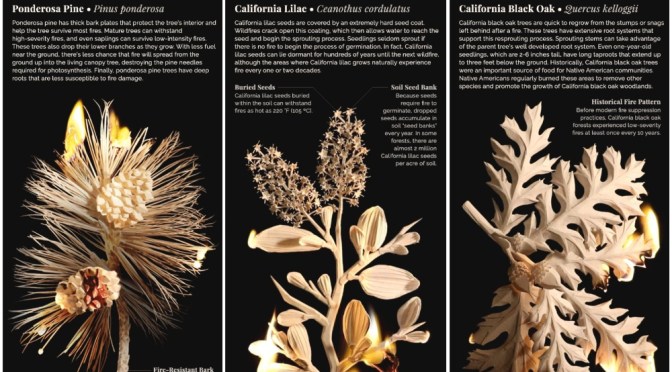
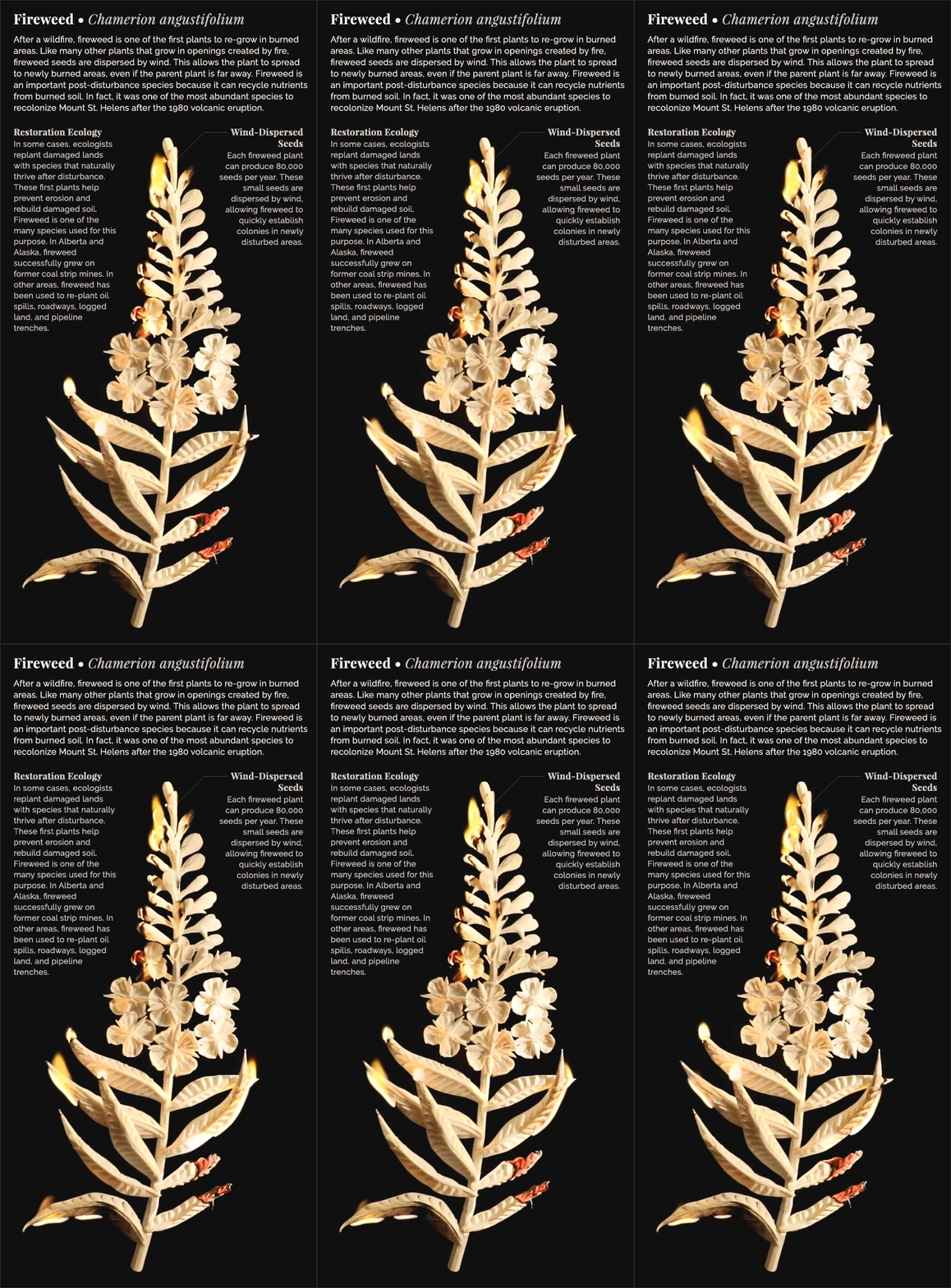
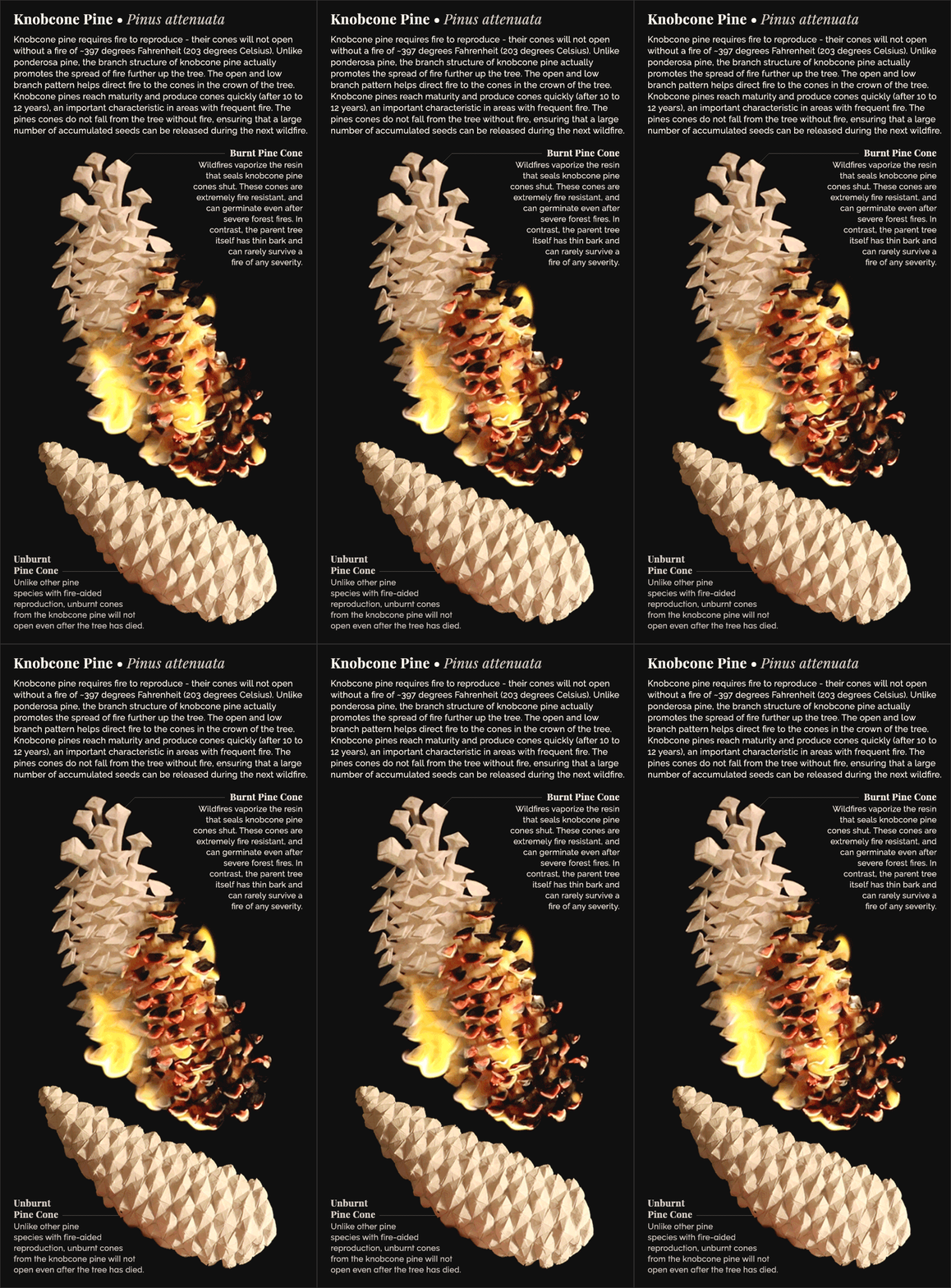
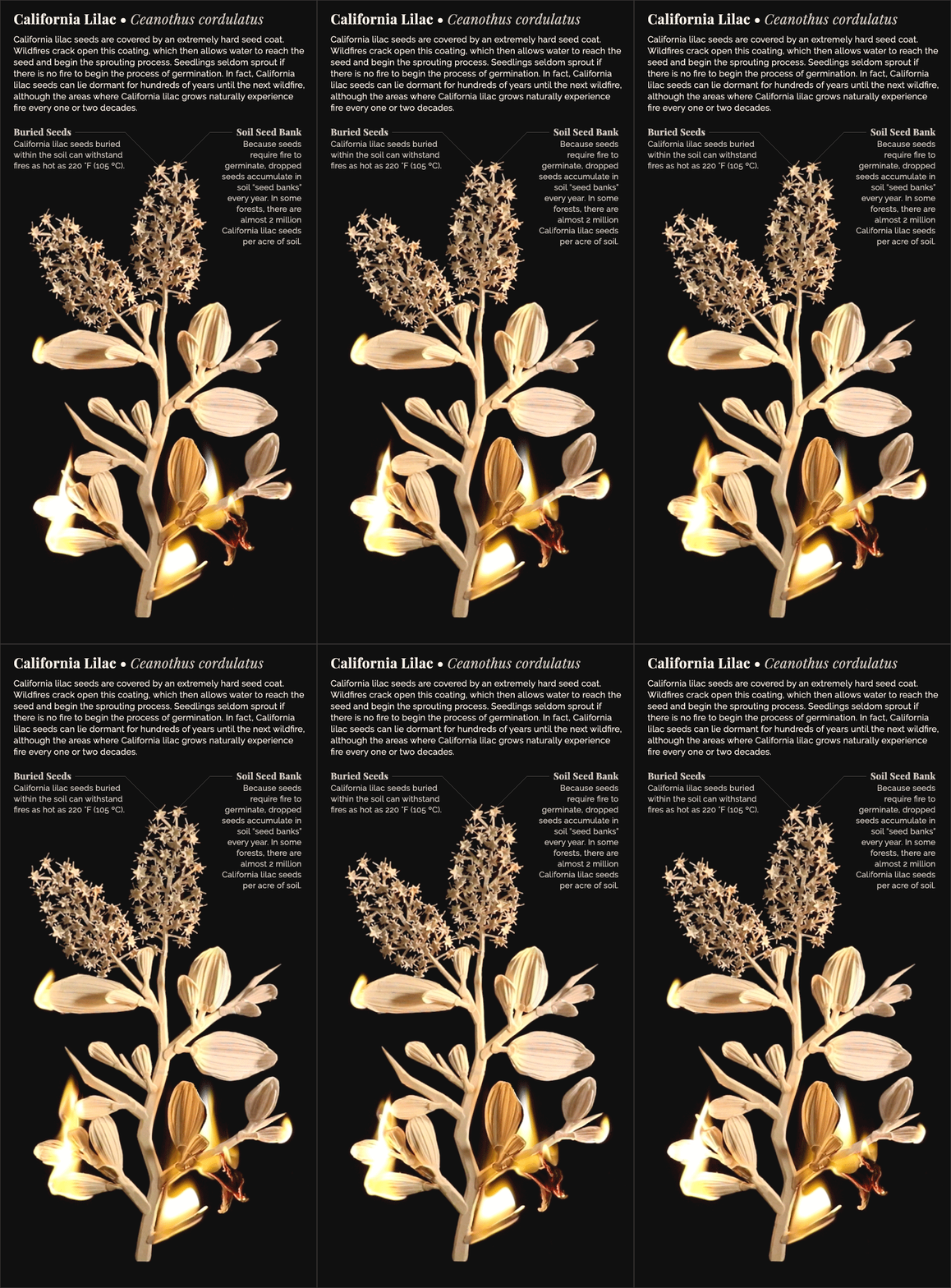
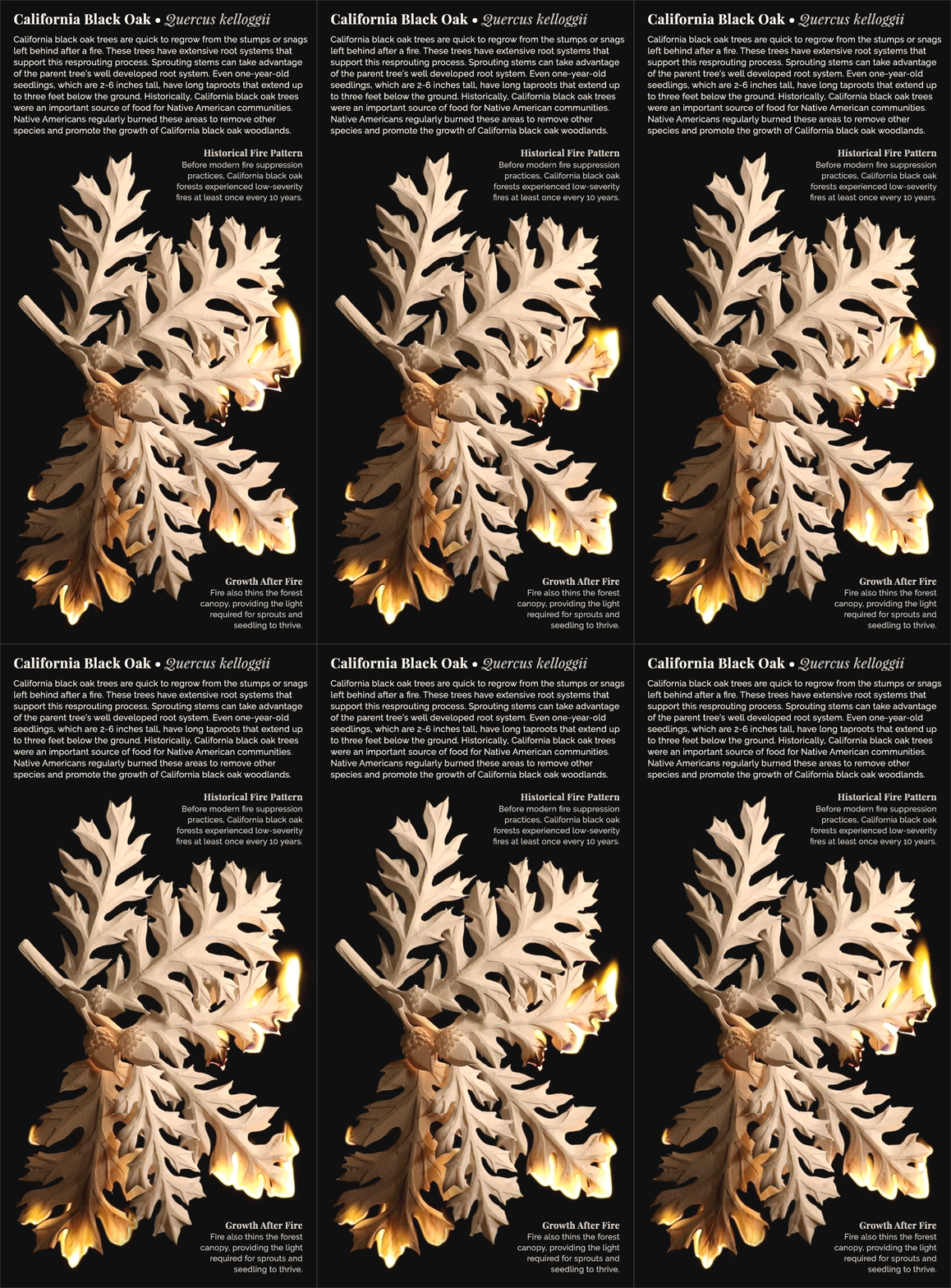
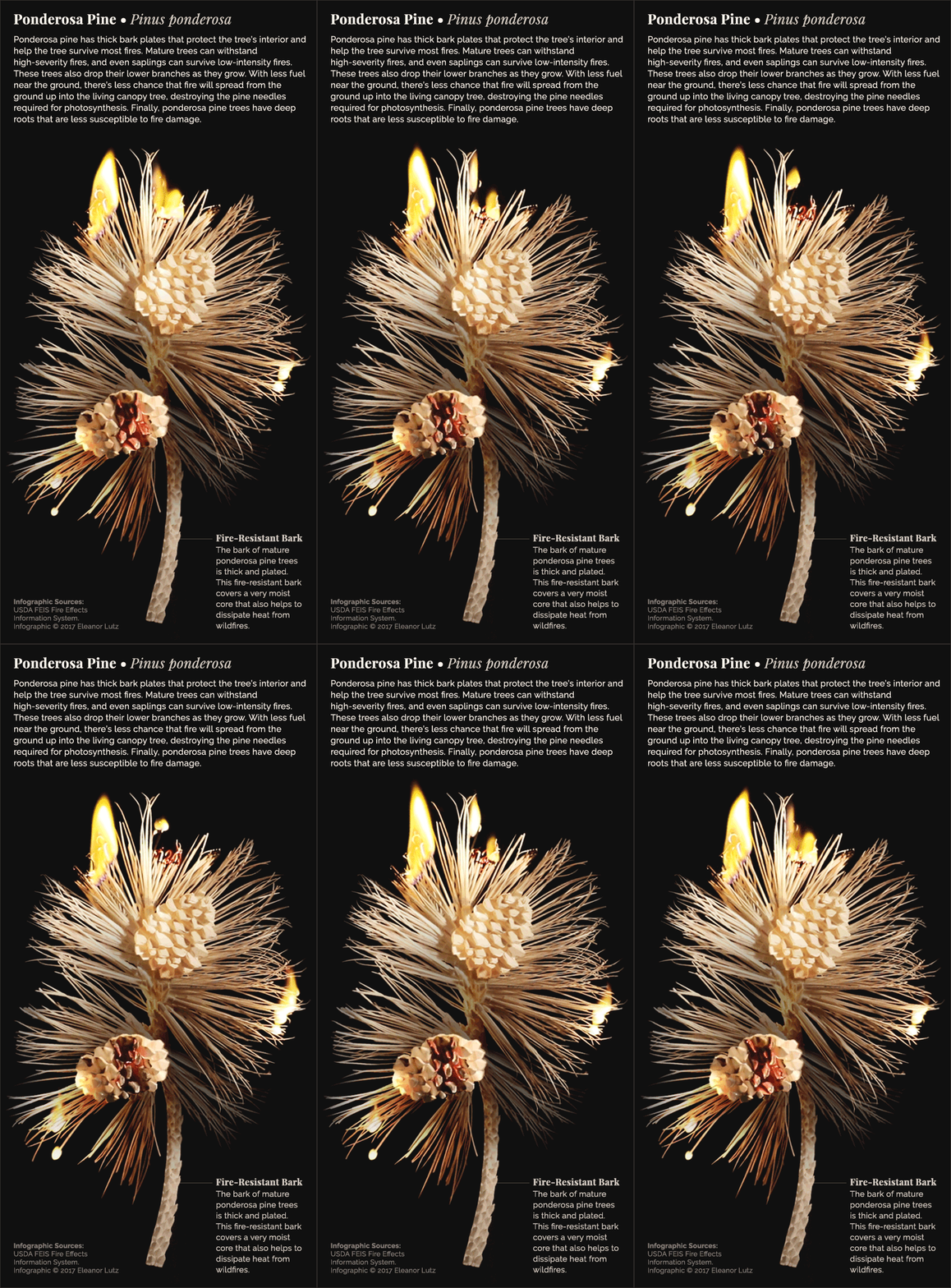
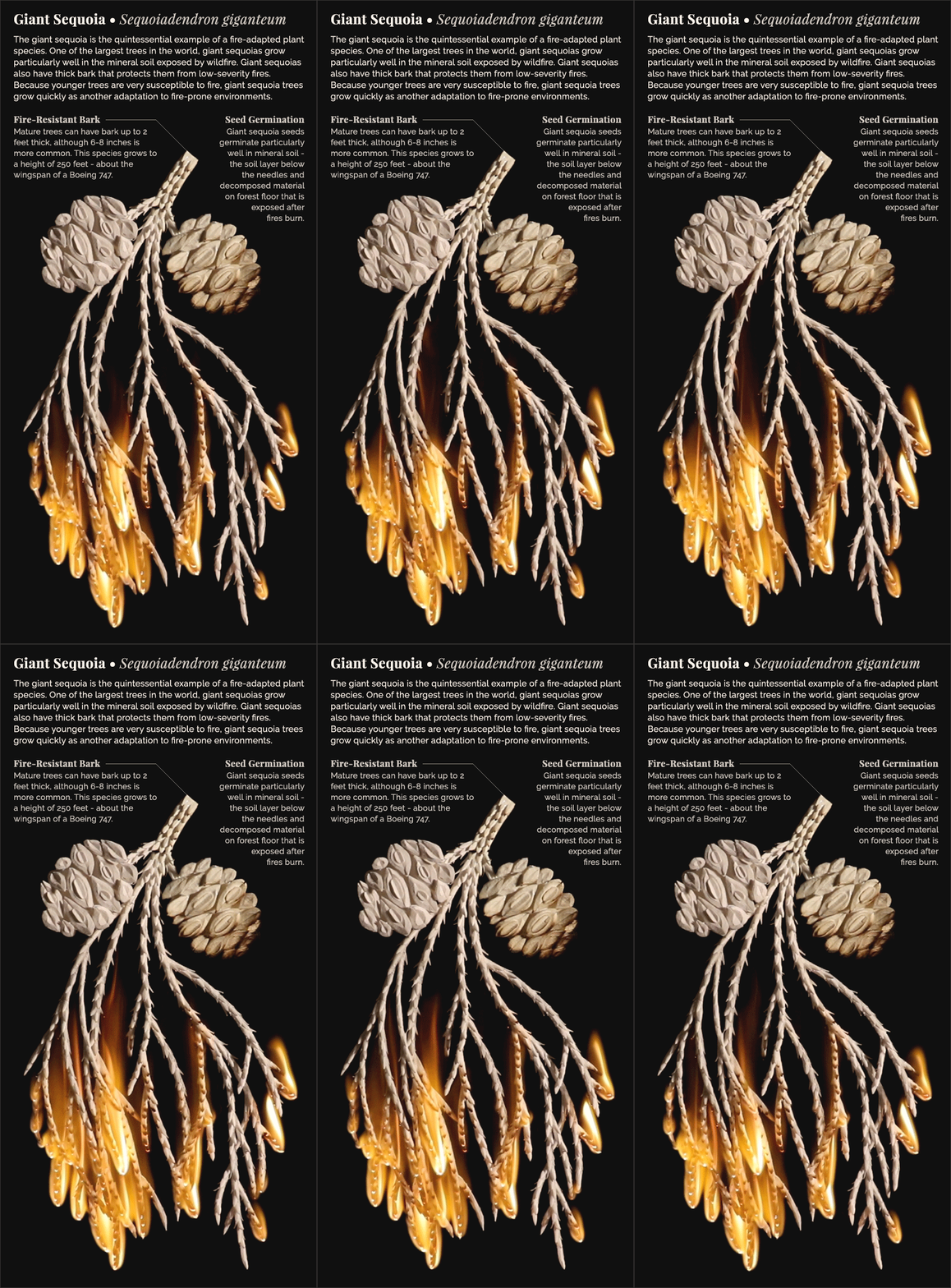
Science: California Plants That Survive Wildfires
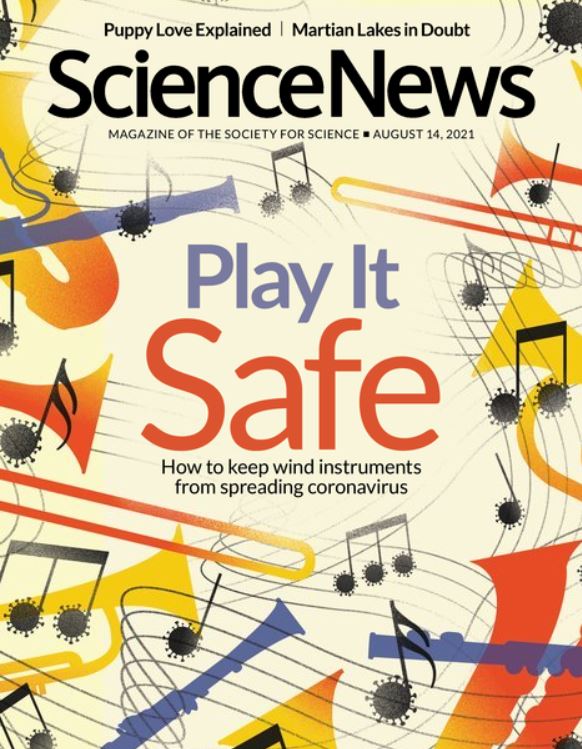
Magazine Views: Science News – August 14, 2021
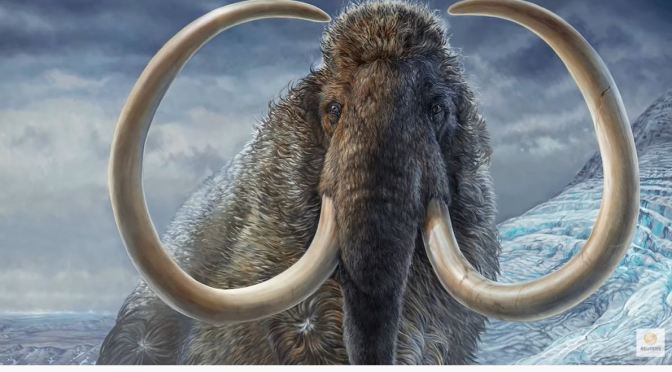
Science: Wooly Mammoth Tusks & Ice Age Extinction
A woolly mammoth that roamed Alaska 17,000 years ago covered enough ground in its 28-year lifetime to nearly circle the globe twice, an analysis of one of its tusks suggests.
Science: Vitamin D Trial In Asthmatic Children, Risks to Machine Learning
Charles Piller, an investigative journalist for Science, talks with host Sarah Crespi about a risky trial of vitamin D in asthmatic children that has caused a lot of concern among ethicists.
They also discuss how the vitamin D trial connects with a possibly dangerous push to compare new treatments with placebos instead of standard-of-care treatments in clinical trials.
Next, Birhanu Eshete, professor of computer and information science at the University of Michigan, Dearborn, talks with producer Joel Goldberg about the risks of exposing machine learning algorithms online—risks such as the reverse engineering of training data to access proprietary information or even patient data.
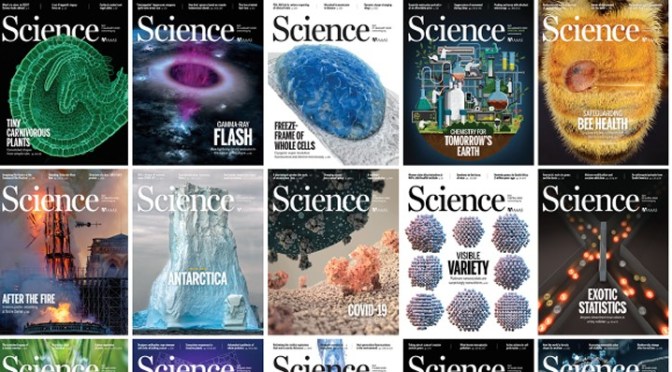
Front Covers: Science Magazine – August 13
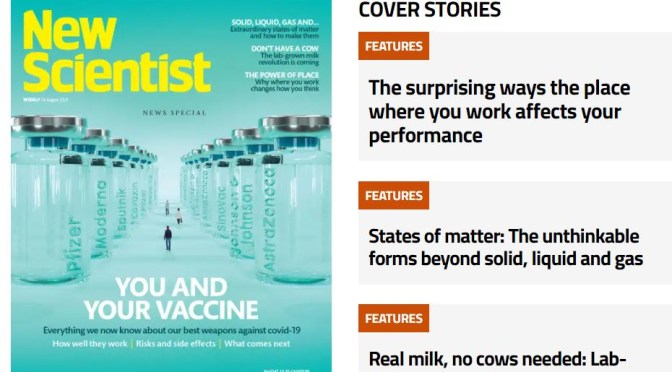
Previews: New Scientist Magazine – August 14

Science: Mapping A Bat’s Navigation Neurons In 3D, Poison Dart Frogs, Fabrics
Researchers uncover how grid cells fire in a 3D space to help bats navigate, and a fabric that switches between being stiff and flexible.
In this episode:
00:47 Mapping a bat’s navigation neurons in 3D
Grid cells are neurons that regularly fire as an animal moves through space, creating a pattern of activity that aids navigation. But much of our understanding of how grid cells work has involved rats moving in a 2D plane. To figure out how the system works in a 3D space, researchers have mapped the brain activity of bats flying freely around a room.
Research Article: Ginosar et al.
07:44 Research Highlights
How a ‘toxin sponge’ may protect poison dart frogs from themselves, and the world’s oldest known coin foundry has been found.
Research Highlight: An absorbing tale: poison dart frogs might have a ‘toxin sponge’
Research Highlight: Found: the world’s oldest known mint and its jumbo product
09:59 A flexible fabric that transforms from soft to rigid (and back again)
Researchers have created a ‘tunable’ fabric, inspired by medieval chainmail, that when compressed changes from flexible to rigid. The stiffened structure can hold 30 times its own weight, and the team behind it suggest this material could be used to build temporary shelters or have medical applications.
Research article: Wang et al.
16:33 Stark warning from the IPCC’s latest report
This week the UN’s Intergovernmental Panel on Climate Change released its long awaited report detailing compiling the latest climate science data. Nature’s Jeff Tollefson joins us to discuss the report and the warnings it contains for our warming world.
News: IPCC climate report: Earth is warmer than it’s been in 125,000 years
 Intellicurious