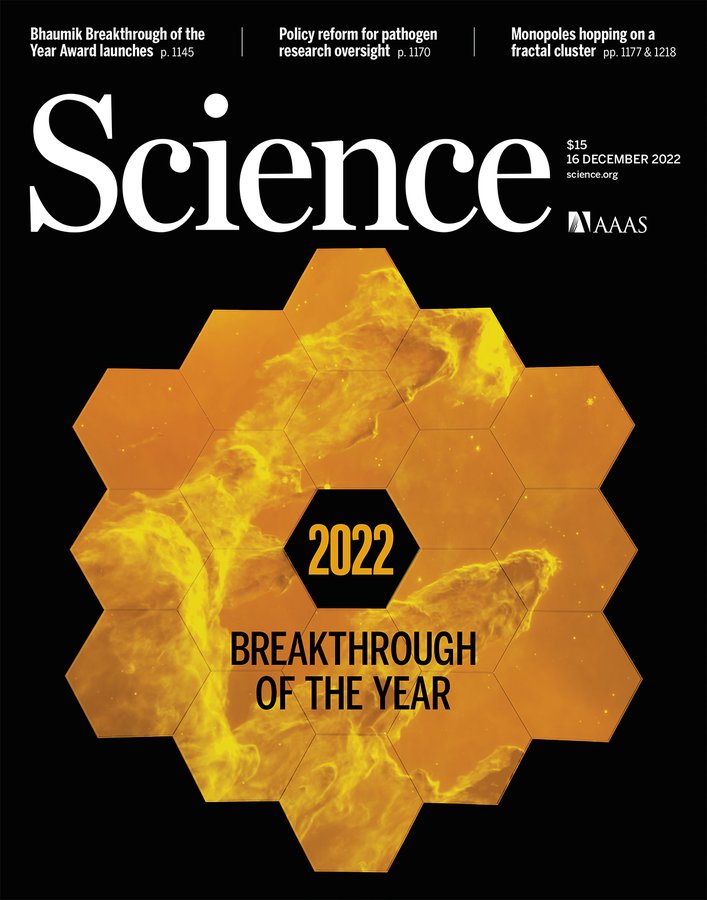
A new space telescope makes a spectacular debut after a troubled gestation
Seen with JWST’s midinfrared instrument, the newborn stars of the Tarantula nebula fade into the background while clouds of dust and gas take center stage, including hydrocarbons that will later form planets.NASA; ESA; CSA; STSCI; WEBB ERO PRODUCTION TEAM
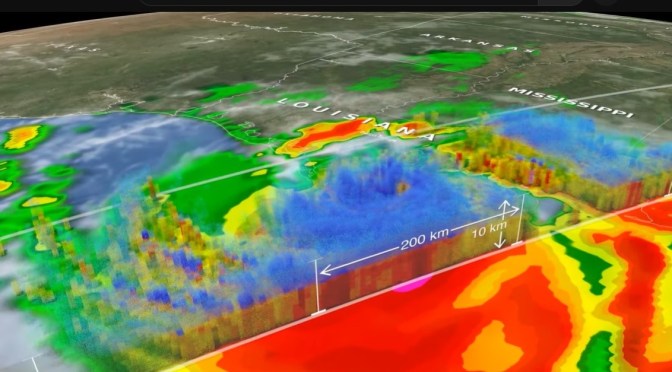
NASA Goddard (December 2022) – NASA is developing the Earth System Observatory, the core of which is five satellite missions providing critical data on climate change, severe weather and other natural hazards, wildfires, and global food production.
These observations will address the most pressing questions about our changing planet. Taken together as a single Observatory, NASA will have a holistic, 3D view of Earth to better understand how our planet’s complex systems work together and improve our capability to predict how our climate may change.
NASA’s Open Source Science strategy is the key to bringing the data from these missions together into a single observatory to help understand the earth as a system and accelerate our ability to use this understanding. These observations will better inform decision-makers on how our planet is changing, with greater precision on previously unimaginable scales – from entire continents down to individual trees, from atmosphere to bedrock.
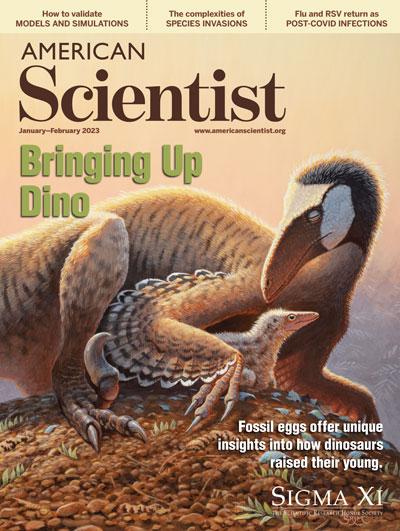
In “A New Picture of Dinosaur Nesting Ecology” (Perspective), paleontologist Daniel T. Ksepka offers an overview of these sweeping advances in his field, showcasing the spectrum of reproductive traits among the dinosaurs, often with surprising mixes of reptilian and avian traits.
This year’s crop of winning products features many with a clinical focus and others that represent significant advances in sequencing, single-cell analysis, and more.
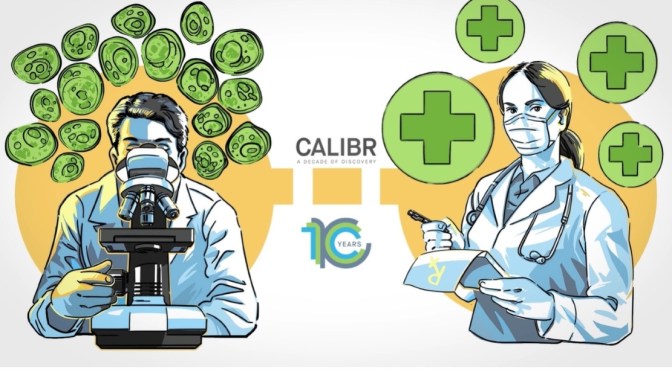
Calibr at Scripps Research is celebrating a major milestone, a decade of discovery. Take a look at the past 10 years of scientific innovation, and see what the next 10 years have in store.
The California Institute for Biomedical Research (Calibr) is a first-of-its-kind, nonprofit translational research institute dedicated to accelerating the next generation of medicines, celebrating its 10-year anniversary in 2022. Affiliated with Scripps Research—among the most innovative institutes worldwide—we spearhead drug discovery from a steady flow of pioneering science.
Our self-sustaining model encourages broad and bold exploration with far-reaching goals, yet rapid transition of our most successful, high-impact programs into the clinic. We pursue audacious and imaginative ideas—bridging scientific and technological advances to develop new medicines for unmet medical needs.












 Intellicurious