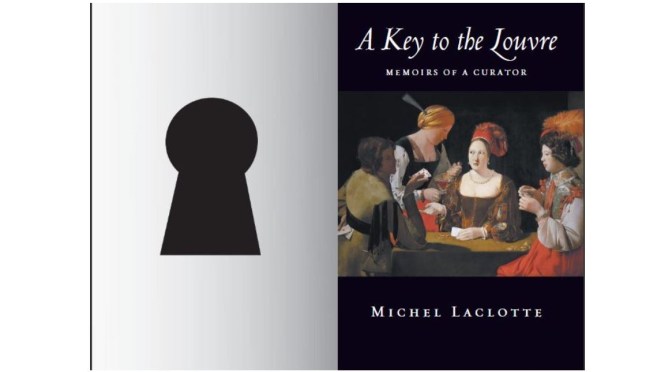
From a BrooklynRail.org online interview:
 “…I am almost more interested in the paintings I didn’t get! I wish I could do a small photo exhibition of all the works that we failed to get. Of the early titans, we have two important ones, Giotto and Cimabue, but we don’t have Duccio, the third master of the birth of painting in Europe, if I may say. There was one in the Stoclet collection in Brussels, that we were following through dealer friends, but finally it was purchased by the Met. Also Velázquez, our biggest weakness!”
Michel Laclotte, President of the Louvre (1987 – 1995)

Joachim Pissarro (Rail): The premise of these three interviews is that all three personalities, each one, of course, with its own personal intonation and distinctive input, took charge of this antiquated and august institution, the Louvre, and you especially, Monsieur Laclotte, accompanied it towards the 21st century, end of the 20th century to 21st century. I think this was an incredible challenge. How did you take charge of such an ancient—two-century old—institution and how did you bring it into its present and prepare its future?
To read more: https://brooklynrail.org/2019/12/art/Michel-Laclotte-with-Joachim-Pissarro
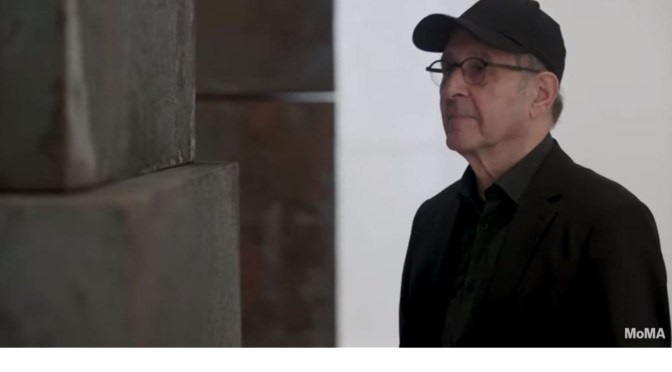
 In this episode of The Way I See It, our radio collaboration with BBC, we’ve captured composer Steve Reich’s audible awe as he sees his friend Richard Serra’s monumental 2015 sculpture Equal for the first time. As Reich puts it, he and Serra are “in tune to the same frequencies,” so their meeting in Manhattan in the 1960s and subsequent friendship was both important and inevitable.
 “People want to see photography and right now there are not a lot of places to do that,” he says. Showing “the best photography in the world” remains Fotografiska’s core mission, Broman says.
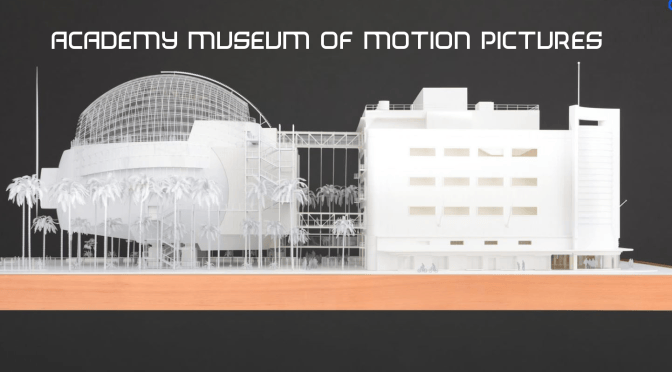
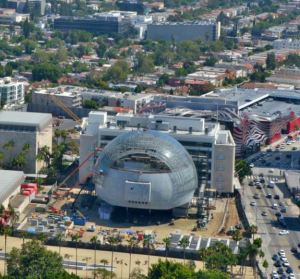 “The Academy Museum gives us the opportunity to honor the past while creating a building for the future—in fact, for the possibility of many futures. The historic Saban Building is a wonderful example of Streamline Moderne style, which preserves the way people envisioned the future in 1939. The new structure, the Sphere Building, is a form that seems to lift off the ground into the perpetual, imaginary voyage through space and time that is moviegoing. By connecting these two experiences we create something that is itself like a movie. You go from sequence to sequence, from the exhibition galleries to the film theater and the terrace, with everything blending into one experience.”
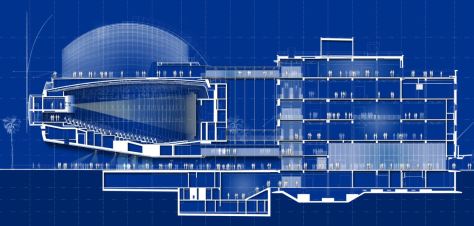
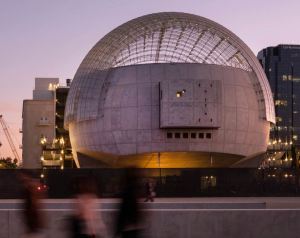 Situated on the famed “Miracle Mile,” the museum will preserve and breathe new life into the former 1939 May Company department store, now re-named the Saban Building. Celebrating its history and imagining new possibilities, the additions to the building that date from 1946 have been removed and replaced with a spherical building that features the 1,000-seat David Geffen Theater and the Dolby Family Terrace with views towards Hollywood. The revitalized campus will feature more than 50,000 square feet of gallery space, two theaters, cutting-edge project spaces, an outdoor piazza, the rooftop terrace, an active education studio, a restaurant, and store.