
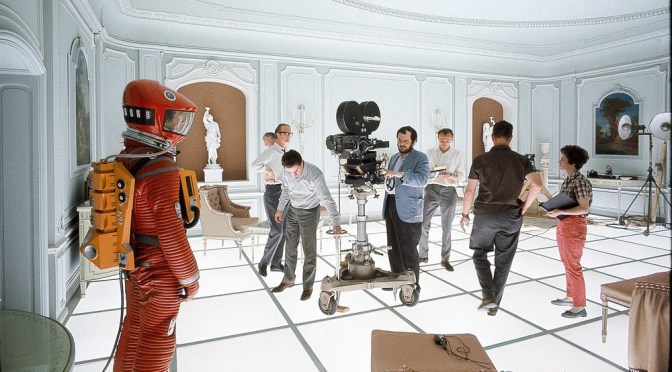
From a New York Times online review:
“Envisioning 2001” shows Kubrick as a director in command of all aspects of filmmaking, and it suggests that he and Clarke were no small obsessives when it came to understanding their subject matter. One of the first items in the exhibit is a request form from 1964, with Clarke’s name and address, sent to the United States Air Force. He sought information on a sighting — which turned out to be a satellite — that he and Kubrick, then developing the story for the movie, had seen in the sky over New York.
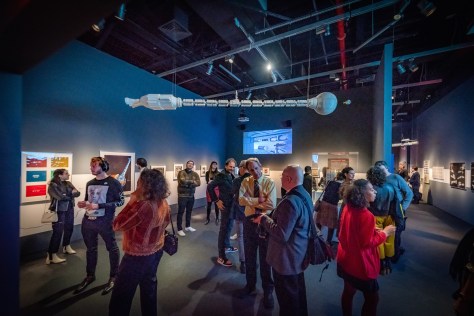
As it approaches its 52nd birthday, “2001: A Space Odyssey” remains one of the most inventive and enduring of all movies. But from the vantage point of 2020, it can be difficult to appreciate the sheer breadth of imagination involved in its making.
Enter “Envisioning 2001: Stanley Kubrick’s Space Odyssey,” a new exhibit at the Museum of the Moving Image in Astoria, Queens, that runs through July 19. The show brings together original correspondence, sketches, storyboards, props, video clips and much more to illustrate how Kubrick, the film’s director, and Arthur C. Clarke, the science fiction author who collaborated with him on the screenplay, set about bringing the future to the screen.
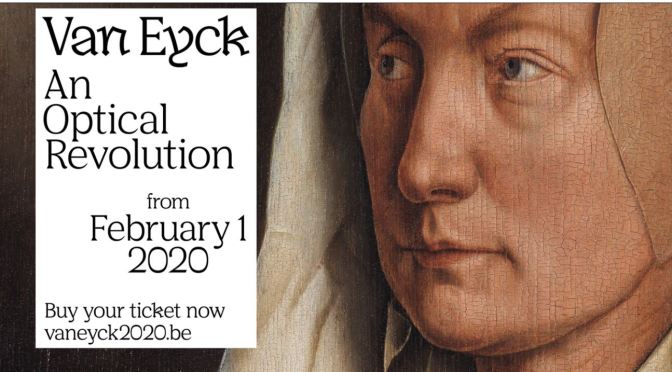
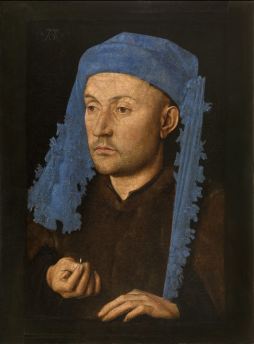
 In dialogue with Van Eyck’s contemporaries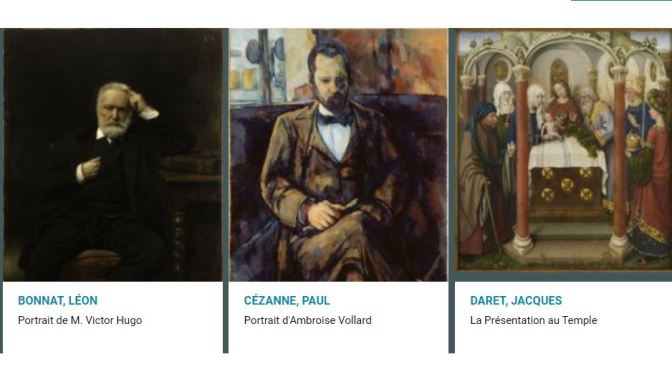
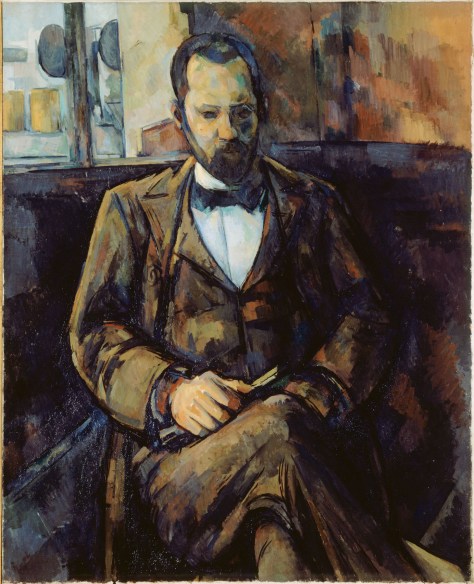
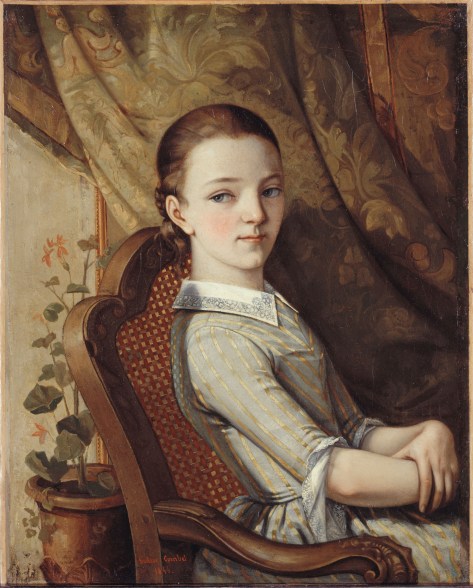
 Watch Episode 1, “Looking back to look forward,” in which Met image archivist Stephanie Post, educator and former-Project Runway host Tim Gunn, and New York City Ballet dancer Silas Farley share how their encounters with history and the Museum inform their sense of self and their creative practices.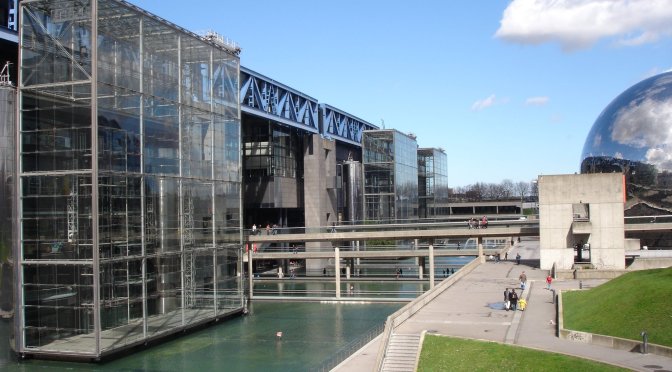
 The science center is an adolescent among museum types, one whose main growth spurt was in recent memory. Over the past 40 years, they went from a sparse to a ubiquitous presence, now found in almost every major city. Their emergence stretched the ontological essence of the museum: They present not objects, but concepts. Many science centers define themselves explicitly this way and possess slim to no permanent collections.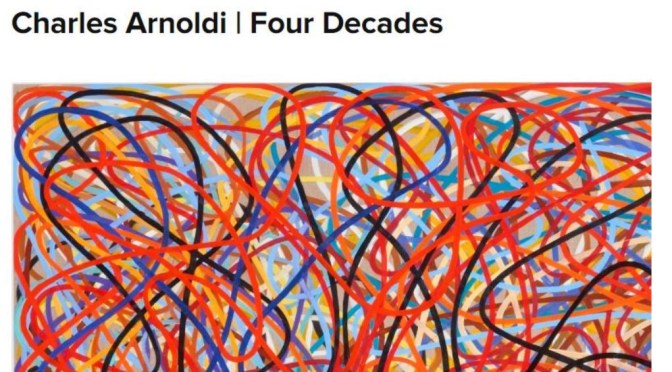
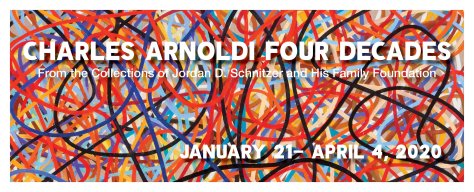
 of the artist’s expansive and materials-focused practice from the 1970s to the present.
 Charles Arnoldi was a young man from Dayton, Ohio who had seen little of the world when he arrived in Southern California in the mid 1960s. Following stints at a local community college and Chouinard Art Institute, Arnoldi won LACMA’s New or Young Talent Award in 1969 and thus began his ever-evolving career which continues to this day in his sprawling Venice studio.
 Hailed as “a towering figure in the world of experimental theater” by the New York Times Waco, Texas-born Robert Wilson has created singular works in the realms of opera, performance, video art, glass, architecture, and furniture design since 1963. Prolific yet exacting in his approach to staging, light, and direction, Wilson has been honored with numerous awards for excellence including a Pulitzer Prize nomination, the Golden Lion of the Venice Biennale, and an Olivier Award. He is also the founding director of The Watermill Center, a laboratory for the arts and humanities in Water Mill, New York.
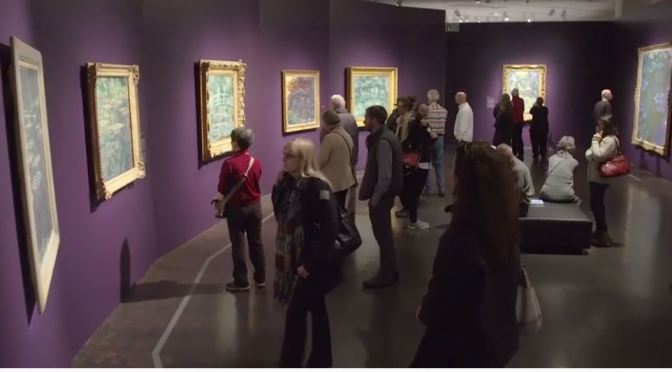
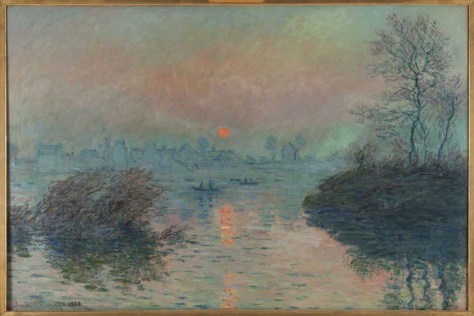
 To find out, I talked with Sarah Cucinella-McDaniel, chief registrar at the Denver Art Museum. She’s sort of like a travel agent for art — and for this exhibition she booked the itineraries for artworks from more than 70 lenders around the world: museums, as well as private collectors. (One of her recent days started unexpectedly, around 1:45 a.m., when one of her nine Monet shipments for the day arrived at the museum hours ahead of schedule.)
 Intellicurious