
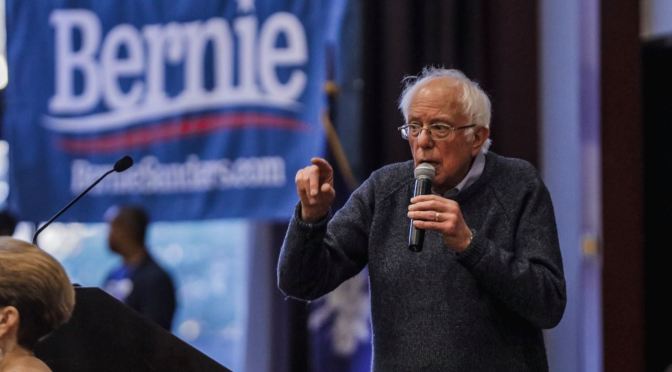
 Part 2 of our series on pivotal moments in the lives of the 2020 Democratic presidential contenders. Michael Barbaro speaks with Bernie Sanders, the democratic socialist senator from Vermont.
Mr. Sanders reflected on his early schooling in politics and how he galvanized grass-roots support to evolve from outraged outsider to mainstream candidate with little shift in his message.
Guest: Bernie Sanders, the Vermont senator and candidate for the 2020 Democratic presidential nomination. We also speak with Alexander Burns, who covers national politics for The New York Times. For more information on today’s episode, visit nytimes.com/thedaily.
To read more: https://www.nytimes.com/2019/12/06/podcasts/the-daily/bernie-sanders.html
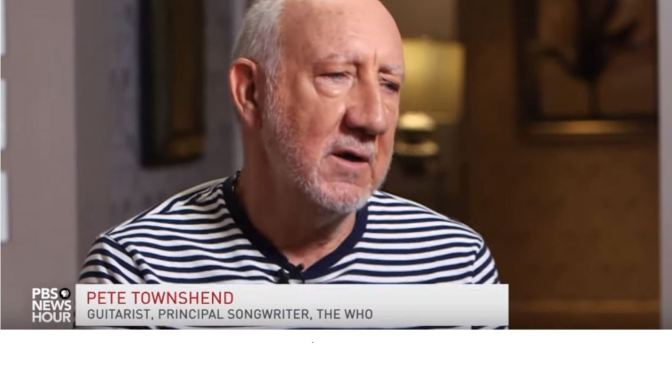
 Fifty-five years after co-founding the rock band The Who, Pete Townshend is still at it. The lead lyricist and guitarist says he actually doesn’t enjoy performing but views it as an “easy” job necessary to finance his lifestyle and support his family and staff. Economics correspondent Paul Solman sits down with Townshend to discuss aging, surviving child abuse and art’s ability to inspire hope.
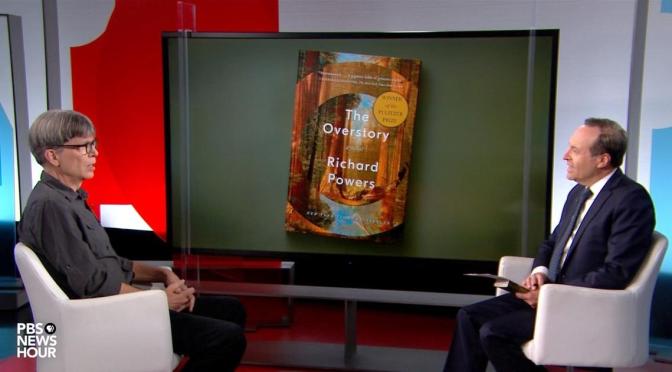
 Richard Powers, author of our November pick for the NewsHour-New York Times book club, Now Read This, joins Jeffrey Brown to answer reader questions on “The Overstory,” and Jeff announces the December book selection.
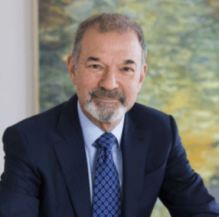 An infinite number of things happen; we bring structure and meaning to the world by making art and telling stories about it. Every work of literature created by human beings comes out of an historical and cultural context, and drawing connections between art and its context can be illuminating for both. Today’s guest, Stephen Greenblatt, is one of the world’s most celebrated literary scholars, famous for helping to establish the New
 Historicism school of criticism, which he also refers to as “cultural poetics.” We talk about how art becomes entangled with the politics of its day, and how we can learn about ourselves and other cultures by engaging with stories and their milieu.
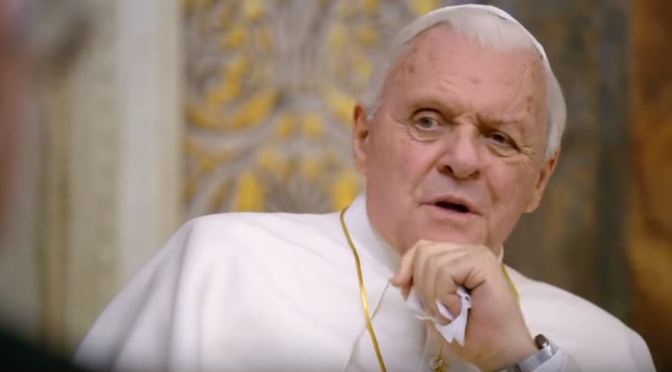
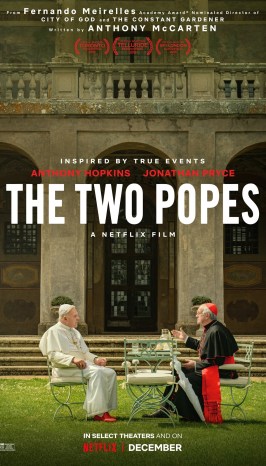 “The script is about questioning the nature of existence. I think about that every day of life. What is the purpose of life? As I get older, I look back on my own life as if it’s a novel written by someone else. To me it’s all a mystery. I started out over 60 years ago. My first job was, my God, 62 years ago and here I am. I don’t understand any of it. They gave me work, and I continued to work. It’s only just recently looking back, I thought, ‘My goodness, who designed this life? I certainly didn’t.’ I don’t know what’s life or destiny or kismet or God. I don’t want to get too philosophical about it. I’m fascinated about the mystery of life, about how we get through it, how we survive. I have no answers and I can’t take credit for any of it.”
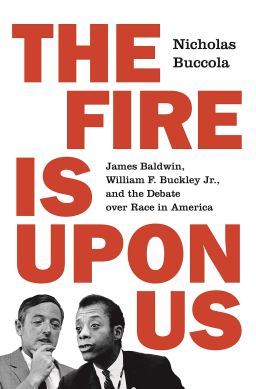 In 1965, James Baldwin, by then internationally famous, faced off against William F. Buckley Jr., one of the leading voices of American conservatism, in a debate hosted by the Cambridge Union in England. The debate proposition before the house was: “The American dream is at the expense of the American Negro.”
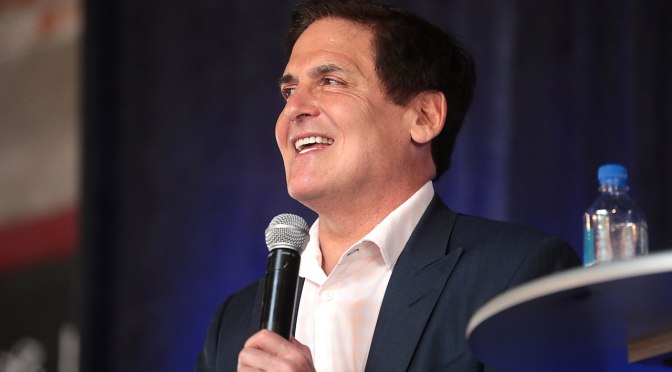
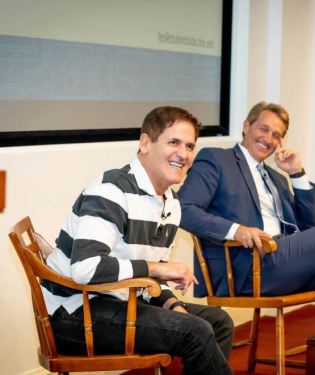 “When you live paycheck to paycheck, there are times you fall behind. There was a healthy dose of fear, but I knew that my business would grow if I kept pushing.” Getting an M.B.A. felt superfluous. “I would rather be paid to learn,” he said. “There’s not a lot you can learn in an M.B.A. program that you can’t learn online or through other mechanisms. I’m not a big fan of taking those years and spending money that you could put to better use.”
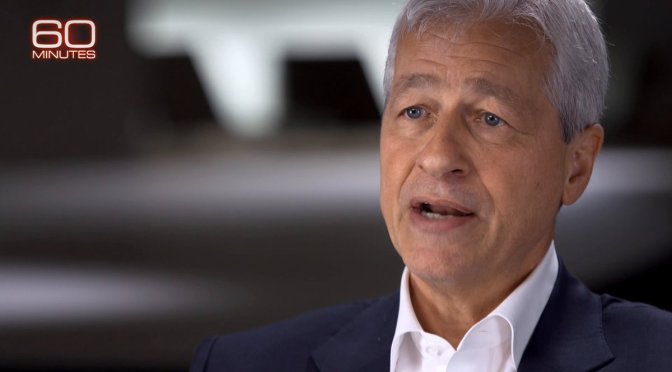
 From a November 10, 2019 “60 Minutes” program: In an interview with Lesley Stahl, the chairman and CEO of JPMorgan Chase talks about Elizabeth Warren and the state of the global economy.
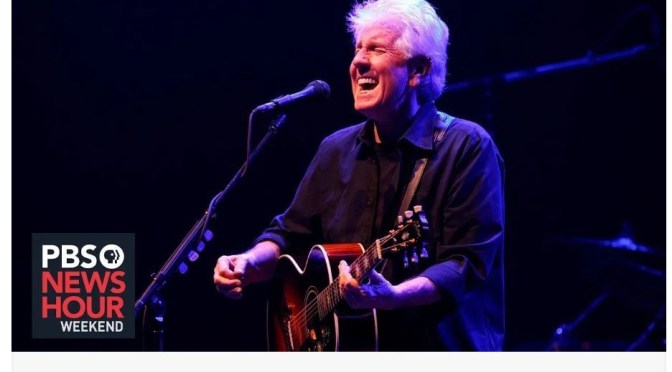
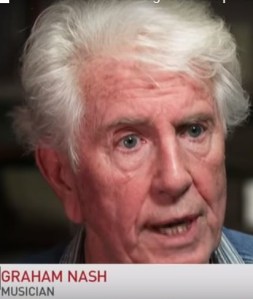 Two-time Rock and Roll Hall of Fame inductee Graham Nash has hits aplenty spanning his nearly six-decade career. But the 77-year-old singer-songwriter recently chose to perform a special run of shows featuring his lesser-known first two solo albums in their entirety, which together describe a crucial chapter in his personal and artistic life. Tom Casciato recently spoke to Nash to learn more.
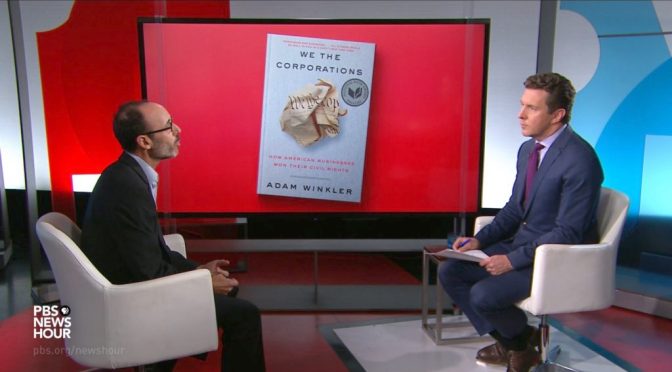
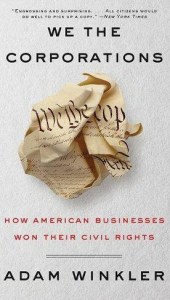 Adam Winkler, author of our October pick for the NewsHour-New York Times book club, Now Read This, joins William Brangham to discuss “We the Corporations,” and William announces the November book selection.

