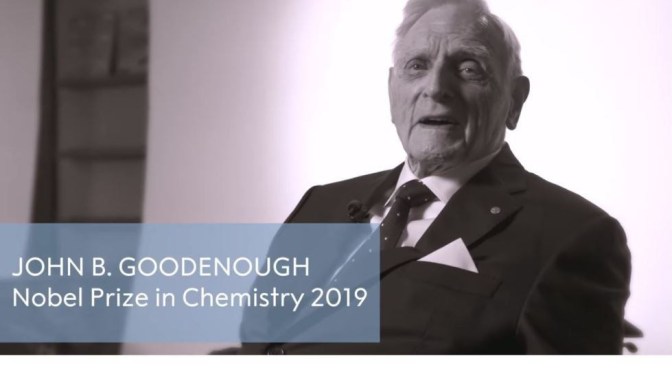
Interview with the 2019 Nobel Laureate in Chemistry John B. Goodenough, 6 December 2019
0:07 – What advice would you give to a younger version of yourself? 0:32 – How do you recognise a good teacher? 0:58 – Do you see yourself as a mentor now? 1:33 – What qualities do you think you need to be a successful scientist? 3:04 – How do you cope with failure? 3:16 – How has your dyslexia shaped you? 3:44 – How important has nature been for you? 4:40 – Has music played an important role in your life? 5:06 – How did your interest in poetry start? 6:14 – How did you meet your wife? 7:06 – What life advice can you share? 8:30 – How do you remember so much of your life? 8:47 – How does it feel to be back in Stockholm after 80 years? 9:21 – How has living through World War II influenced you? 10:03 – What is your relationship with your lab colleagues? 11:18 – What are the characteristics of a very good team? 11:55 – What is your relationship with Akira Yoshino? 12:28 – How has the scientific landscape has changed over the years? 13:42 – What environment encourage creative thinking? 14:48 – What research are you working on now? 15:39 – What are your thoughts on sustainability? 16:37 – What future do you see for sustainable batteries?
John Bannister Goodenough born July 25, 1922) is an American materials scientist, a solid-state physicist, and a Nobel laureate in chemistry. He is a professor of mechanical engineering and materials science at the University of Texas at Austin. He is widely credited with the identification and development of the lithium-ion battery, for developing the Goodenough–Kanamori rules in determining the sign of the magnetic superexchange in materials, and for seminal developments in computer random access memory.
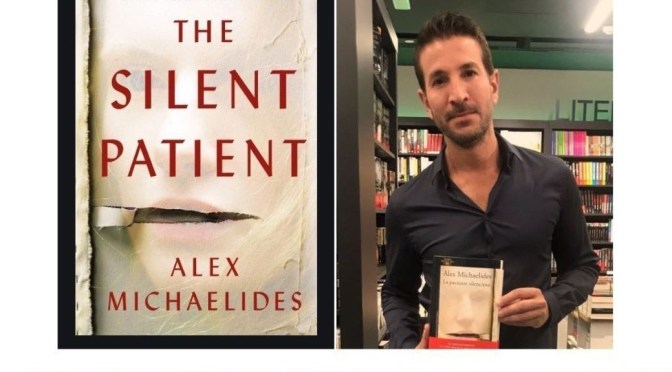
 Screenwriter-cum-author Alex Michaelides’ influences range from Agatha Christie to Euripides. His most recent book, ‘The Silent Patient’, has garnered much acclaim: the thriller is being made into a film having gripped audiences worldwide and topped The New York Times bestseller list.
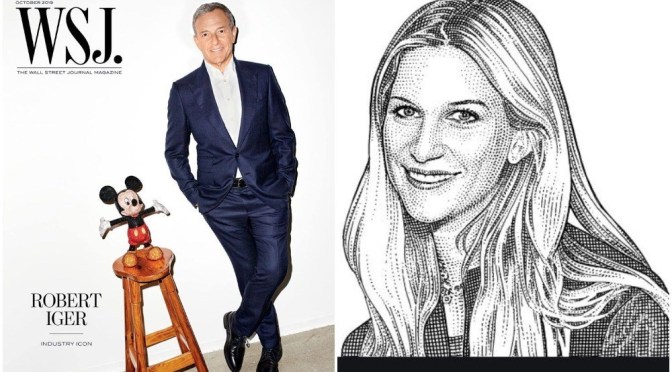
 Monocle 24’s “The Stack” speaks to Kristina O’Neill, editor in chief of ‘WSJ’, the lifestyle magazine of the ‘Wall Street Journal’, on the title’s expansion and plans for 2020.
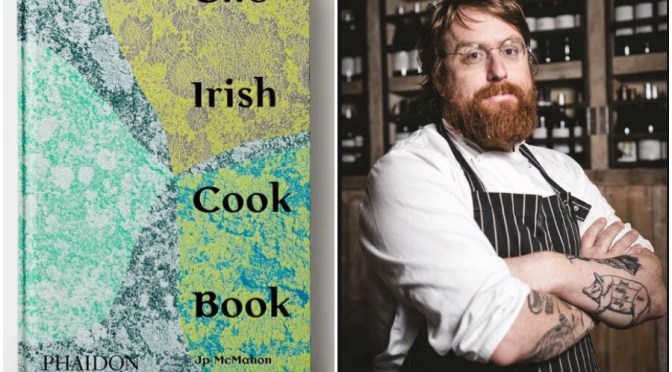
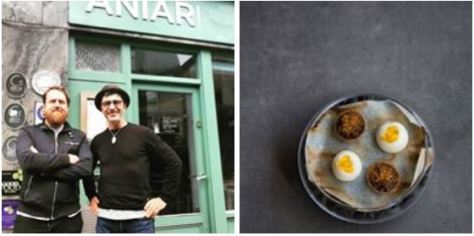
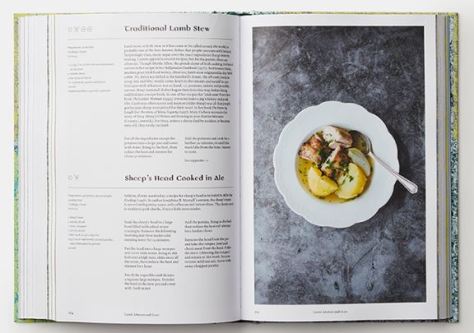
 Galway’s top chef, JP McMahon, on what the world doesn’t understand about Ireland’s food culture.
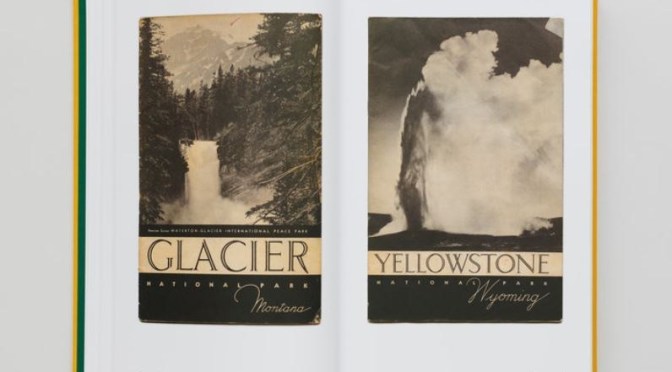
 The National Park Service spans hundreds of sites across the US, including monuments, seashores, memorials and parks. Brian Kelley and Jesse Reed survey the design history of the agency’s visual identity.
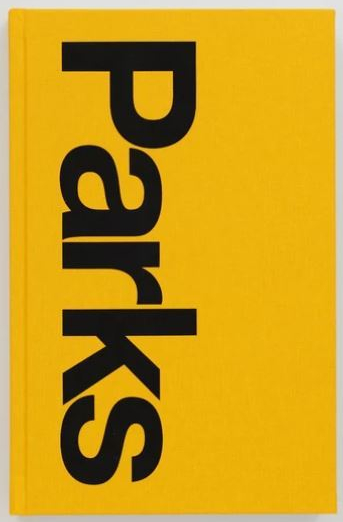 This book brings togethere a collection of over 400 maps produced by the United States National Park Service from 1910 to today. Photographer Brian Kelley has impulsively archived the rarely seen treasures over the past three years, uncovering a design portfolio with little to no credit to their respective designers. The growing collection displays a progressive design approach, from more typographic-driven covers, to the proliferation of duotone print production, culminating in the Unigrid system developed by Italian designer Massimo Vignelli in the 1970s.
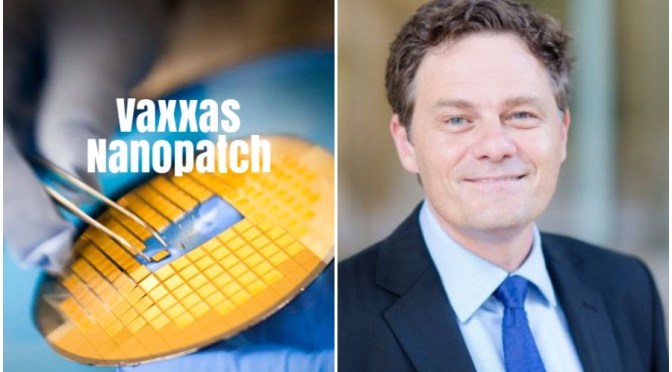
 Rocket scientist-turned-immunology expert Mark Kendall talks about his Nanopatch, which could revolutionise vaccinations and eradicate some diseases.