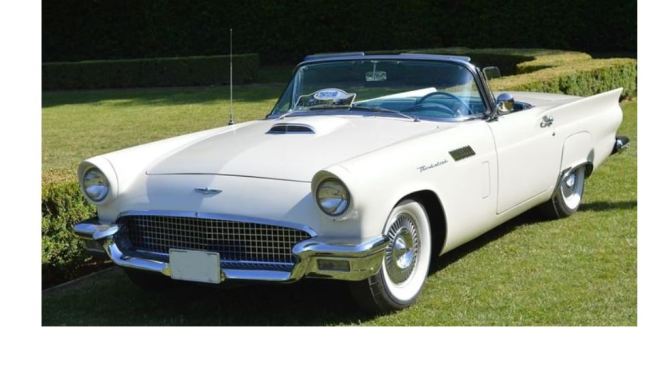
 Ford Thunderbird (colloquially called the T-Bird) is a nameplate that was used by Ford from model years 1955 to 1997 and 2002 to 2005 over eleven model generations. Introduced as a two-seat convertible, the Thunderbird was produced in a number of body configurations through its production life, including four-seat hardtop coupe, four-seat convertible, five-seat convertible and hardtop, four-door pillared hardtop sedan, six-passenger hardtop coupe, and five passenger pillared coupe, with the final generation produced as a two-seat convertible.
The Ford Thunderbird began life in February 1953 in direct response to Chevrolet’s new sports car, the Corvette, which was publicly unveiled in prototype form just a month before. Under rapid development, the Thunderbird went from idea to prototype in about a year, being unveiled to the public at the Detroit Auto Show on February 20, 1954. It was a two-seat design available with a detachable glass-fibre hard top and a folding fabric top.
 The Thunderbird was revised for 1957 with a reshaped front bumper, a larger grille and tailfins, and larger tail lamps. The instrument panel was heavily re-styled with round gauges in a single pod, and the rear of the car was lengthened, allowing the spare tire to be positioned back in the trunk. The 312 cu in (5.1 L) V8 became the Thunderbird’s standard engine, and now produced 245 horsepower (183 kW). Other, even more powerful versions of the 312 cu in (5.1 L) V8 were available including one with two four-barrel Holley carburetors and another with a Paxton supercharger delivering 300 horsepower (220 kW). Though Ford was pleased to see sales of the Thunderbird rise to a record-breaking 21,380 units for 1957, company executives felt the car could do even better, leading to a substantial redesign of the car for 1958.
From Wikipedia


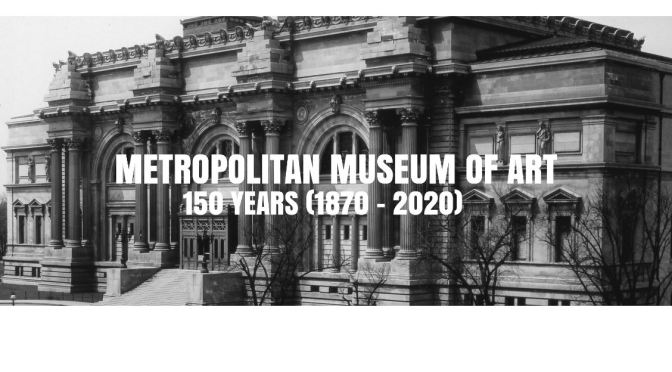
 Watch Episode 1, “Looking back to look forward,” in which Met image archivist Stephanie Post, educator and former-Project Runway host Tim Gunn, and New York City Ballet dancer Silas Farley share how their encounters with history and the Museum inform their sense of self and their creative practices.


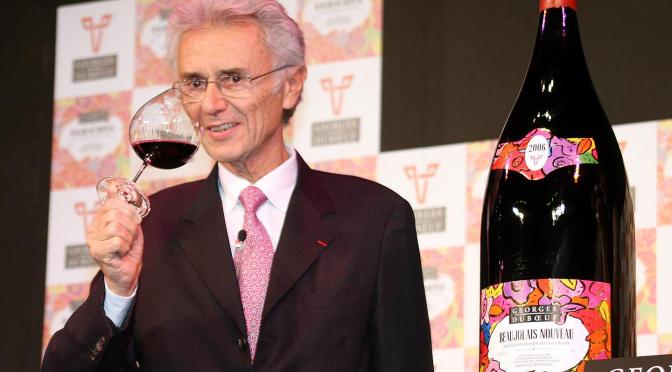
 But it’s Beaujolais Nouveau that he is most famous for, the annual celebration, on the third Thursday of November, of the first red wine to be released from the region. It’s a tradition that dates back to the 19th century, but his efforts played a definitive role in making it the international celebration it is today, so much so that he was known as the “king of Beaujolais.” Over the years, Les Vins Georges Duboeuf has expanded their Beaujolais Nouveau offerings to include a rosé and a Beaujolais-Villages Nouveau (which was particularly lovely this past year, and is still drinking beautifully).
 There are a handful of names in the world of wine that have broken through the barriers of the business and come to signify an entire region, or style or more elementally, the deeply felt joy that drinking it evokes. Georges Duboeuf, who passed away on January 4, at home in Romanèche-Thorins, managed to achieve all three—and then some.