
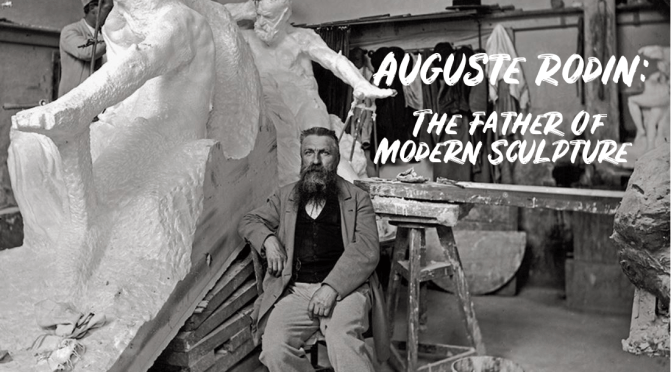
From Christie’s online magazine (May 2020):
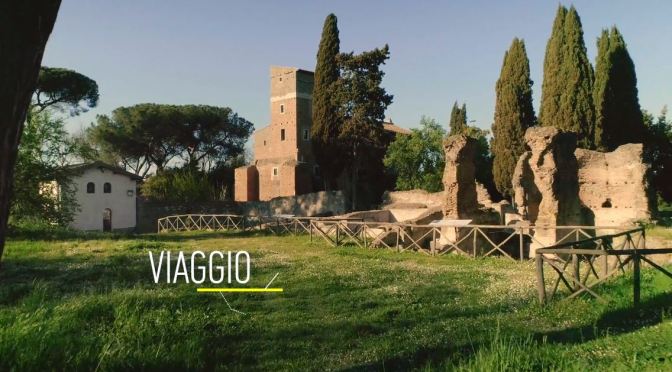
Rodin travelled to Italy in 1875, a trip described by the late art historian Kirk Varnedoe as, ‘one of the seminal events in modern art’.
Here, in his mid-thirties, he fell under the spell of the Renaissance master, Michelangelo. His monumental, exaggerated nude figures would have a deep and lasting influence on the artist. ‘My liberation from academicism was via Michelangelo,’ Rodin later recalled. ‘He is the bridge by which I passed from one circle to another.’
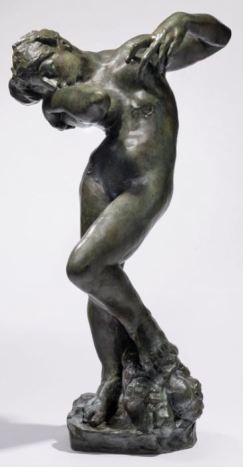
Auguste Rodin (1840-1917) is renowned for breathing life into clay, creating naturalistic, often vigorously modelled sculptures which convey intense human emotions: love, ecstasy, agony or grief. Breaking the rules of academic convention and classical idealism, Rodin ushered in a new form of highly expressive sculpture that went on to influence generations of artists that followed.

Read full article at Christie’s



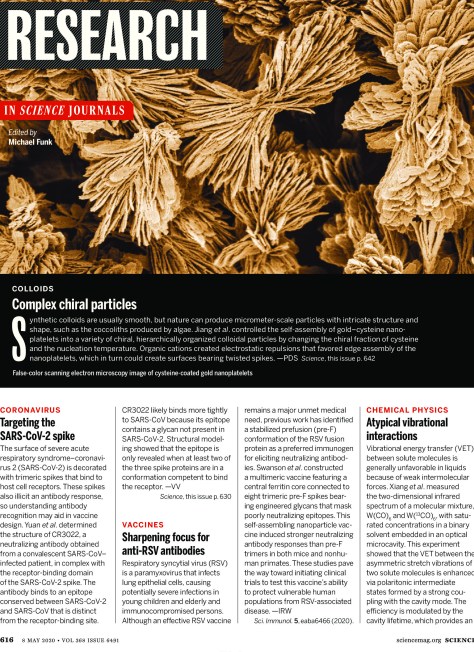
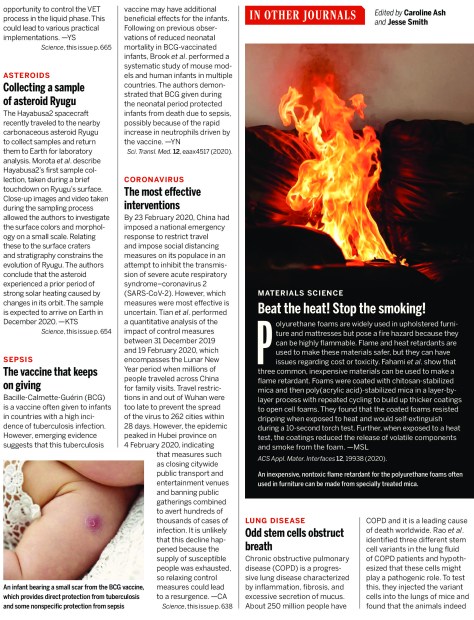
 Staff Writer Jon Cohen joins host Sarah Crespi to talk about using monoclonal antibodies to treat or prevent infection by SARS-CoV-2. Many companies and researchers are rushing to design and test this type of treatment, which proved effective in combating Ebola last year.
