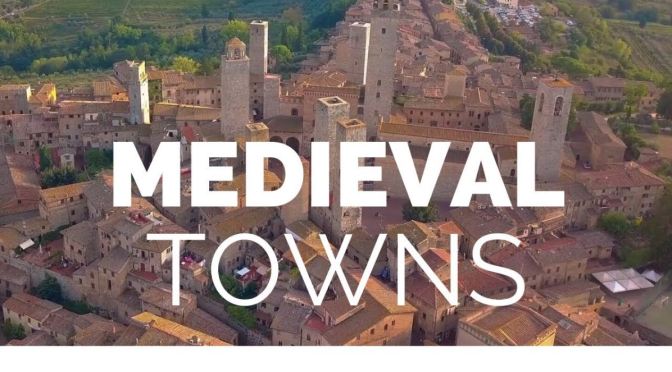
When planning a vacation to Europe, some of the first destinations that come to mind will be the teeming cities of Paris, London or Rome. Each of these metropolises is incredible, but they are far from all that Europe has to offer. By exploring some of the small towns across the continent, it is possible to see a more authentic, traditional side to Europe. Here’s a look at the most beautiful medieval towns of Europe:
This week, the Trump administration ordered hospitals to bypass the Centers for Disease Control and Prevention send all coronavirus-related data straight to the Department of Health and Human Services. This is just the latest step in President Trump’s war on public health experts.
Plus, a shakeup on Trump’s 2020 campaign team.
And, a major Twitter hack Wednesday afternoon left some of the most powerful people on the platform vulnerable to a cryptocurrency scam.
Guests: Axios’ Sam Baker, Mike Allen, and Ina Fried.
Osaka – Venture to Japan’s third-largest city and discover the rich blend of traditional and modern culture, from temples to anime.
Osaka is a large port city and commercial center on the Japanese island of Honshu. It’s known for its modern architecture, nightlife and hearty street food. The 16th-century shogunate Osaka Castle, which has undergone several restorations, is its main historical landmark. It’s surrounded by a moat and park with plum, peach and cherry-blossom trees. Sumiyoshi-taisha is among Japan’s oldest Shinto shrines.
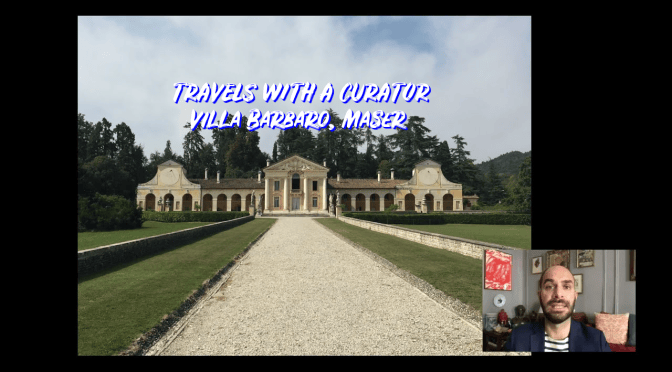
In this week’s episode of “Travels with a Curator,” join Xavier F. Salomon, Deputy Director and Peter Jay Sharp Chief Curator, on an excursion to one of his favorite places in the world, Villa Barbaro in Maser, Italy. Designed in the sixteenth century by Andrea Palladio, the villa is decorated floor to ceiling with magnificent frescoes by Paolo Veronese. The Frick is home to two allegorical paintings by Veronese that he produced in the 1560s, shortly after completing his work on the villa.
Featuring hundreds of breathtaking color photos, this stunning book guides you into labyrinthine mangroves to observe nesting herons, to misty cloud forests to glimpse flycatchers and orchids, high onto erupting volcanoes, and into the ocean to swim with hammerhead sharks.
A beautifully illustrated and deeply personal chronicle of De Roy’s lifelong connection with these spectacular islands
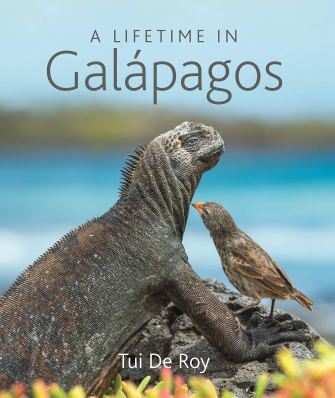
Tui De Roy was a year old in 1955 when her family left Europe, boarding a banana boat bound for the Pacific to lead a different sort of life in Galápagos, one of self-sufficiency and living close to nature. She grew up on the islands and returned to them often over the next five decades. Discovering photography at a young age, she has dedicated her life to recording the islands’ natural history in infinite detail. A Lifetime in Galápagos is De Roy’s intimate portrait of one of the most spectacular places on Earth, presenting the wildlife and natural wonders of Galápagos as you have never seen them before.
De Roy’s lens provides up-close encounters with orca and sperm whales, colonies of iguanas, and the giant tortoises of Alcedo Volcano. She paints unforgettable portraits of her childhood in Galápagos―the islands at night under the stars of the Milky Way, sea lions at play and on the hunt, the diverse birdlife of Galápagos, and much more.
Blending striking images with vivid prose, A Lifetime in Galápagos also discusses the threats that global warming and other environmental challenges pose to the archipelago’s unique wildlife and fragile habitats.
Windsor Castle is a royal residence at Windsor in the English county of Berkshire. It is notable for its long association with the English and later British royal family and for its architecture. The original castle was built in the 11th century after the Norman invasion of England by William the Conqueror.
Probing the superconducting properties of graphene and a bacteria that can use manganese to grow. If you sandwich two sheets of graphene together and twist one in just the right way, it can gain some superconducting properties. Now, physicists have added another material to this sandwich which stabilises that superconductivity, a result that may complicate physicists’ understanding of magic angles.
For decades it’s been thought that microbes that use manganese as an energy source must exist. Now, for the first time, researchers have found evidence that they do. Research Article: Yu and Leadbetter
Executive Producer: Adam Penny
Cinematography: Stephen Ashwell
Producer: Miriam van Ernst
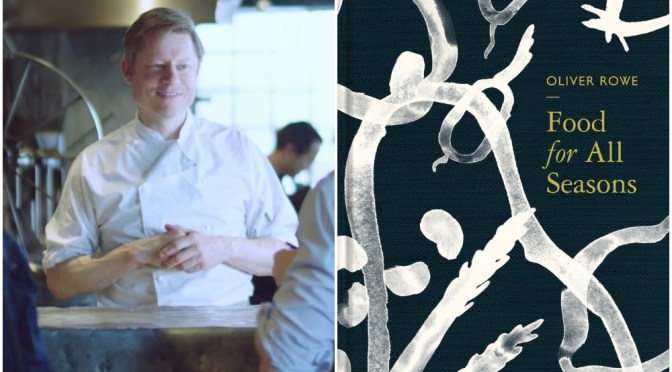
In 2005, Connected Pictures made a ten-part documentary for the BBC about chef Oliver Rowe, setting up a restaurant in Kings Cross and sourcing all his food from within London. The series was a global success, showing around the world for many years after. Since then, the seasonal and local food landscape has exploded.
However, Oliver’s journey hasn’t been quite as smooth in 2018 he wrote a book called ‘A Food for All Seasons’ about his relationship with food.
Together with director Stephen Ashwell ,we made a film to talk about his journey to today and about the important role food has played throughout his life.
Buildings are getting tested for coronavirus, too. Research teams in Oregon are conducting real-time coronavirus tests on ventilation systems in buildings that could be essential for returning to the office or school.
Plus, small businesses are facing an existential threat.
And, in a rare move, the Trump administration rescinds a recent guideline that would have sent hundreds of thousands of international students packing.
Guests: Axios’ Joann Muller, Dion Rabouin, and Mike Allen.
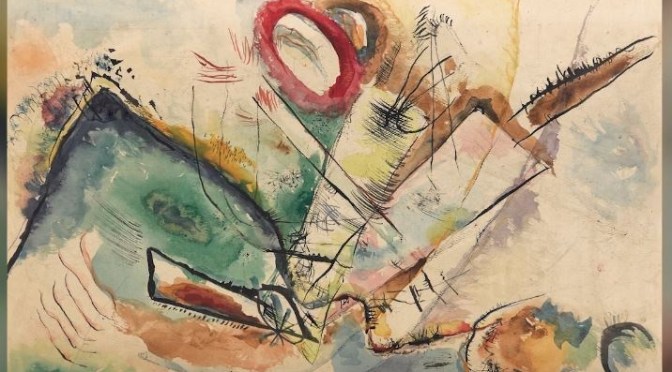
Wassily Kandinsky is widely considered one of the key artists in the development of 20th century abstraction. In this video, discover how an ability to see colours as sounds, and a fascination with spirituality in art, led Kandinsky to his breakthrough. Our upcoming cross-category ‘Rembrandt to Richter’ Evening Sale (28 July | London) features two jewel-like works by Kandinsky. ‘Murnau – Schloss Und Kirche II’ is an oil from Kandinsky’s sought-after 1908-1911 period. ‘Ohne Titel (Komposition)’ from 1914-15, is an exquisite watercolour in which Kandinsky finds harmony in colours that represent spirituality and intense passion. Both works come from an outstanding family collection of works from the European avant-garde.
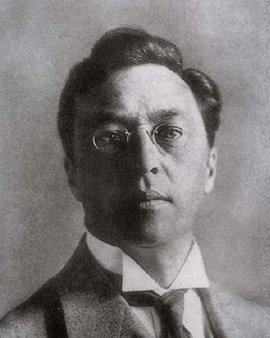
Wassily Wassilyevich Kandinsky (1866 – 1944) was a Russian painter and art theorist. Kandinsky is generally credited as the pioneer of abstract art. Born in Moscow, Kandinsky spent his childhood in Odessa, where he graduated at Grekov Odessa Art school. He enrolled at the University of Moscow, studying law and economics.
News, Views and Reviews For The Intellectually Curious


 This week, the Trump administration ordered hospitals to bypass the Centers for Disease Control and Prevention send all coronavirus-related data straight to the Department of Health and Human Services. This is just the latest step in President Trump’s war on public health experts.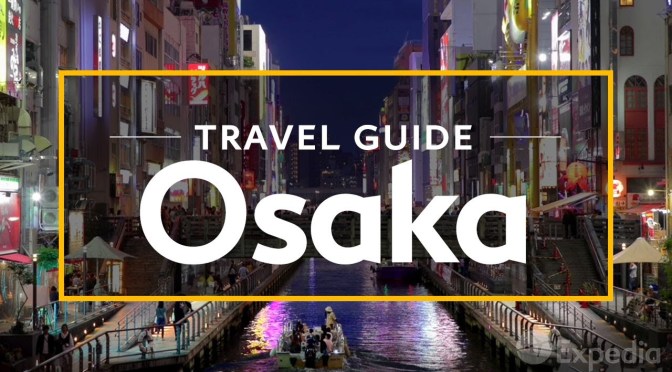
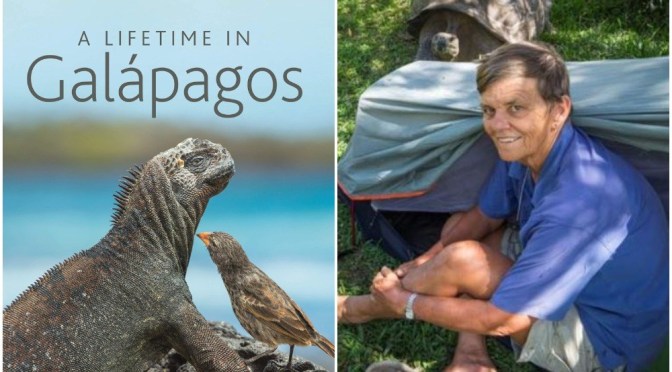
 Tui De Roy was a year old in 1955 when her family left Europe, boarding a banana boat bound for the Pacific to lead a different sort of life in Galápagos, one of self-sufficiency and living close to nature. She grew up on the islands and returned to them often over the next five decades. Discovering photography at a young age, she has dedicated her life to recording the islands’ natural history in infinite detail. A Lifetime in Galápagos is De Roy’s intimate portrait of one of the most spectacular places on Earth, presenting the wildlife and natural wonders of Galápagos as you have never seen them before.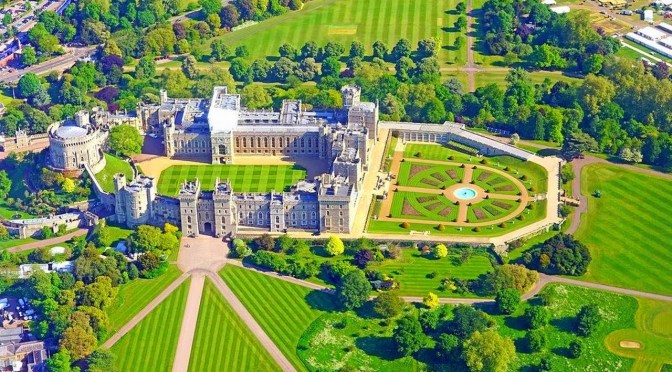
 Probing the superconducting properties of graphene and a bacteria that can use manganese to grow. If you sandwich two sheets of graphene together and twist one in just the right way, it can gain some superconducting properties. Now, physicists have added another material to this sandwich which stabilises that superconductivity, a result that may complicate physicists’ understanding of magic angles.