





The new comedic horror film is based on the real-life drug overdose of an American black bear—and illustrates how human recklessness endangers wildlife.
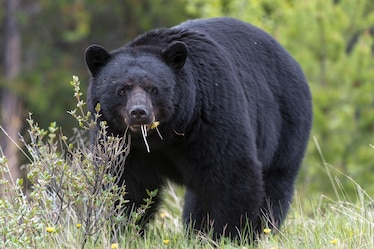
Unlike the movie, the real-life cocaine bear didn’t go on a coke-fueled rampage, but it did consume a fatal amount of cocaine left in the woods by smugglers. Here, an American black bear, Ursus americanus, eats dandelions.

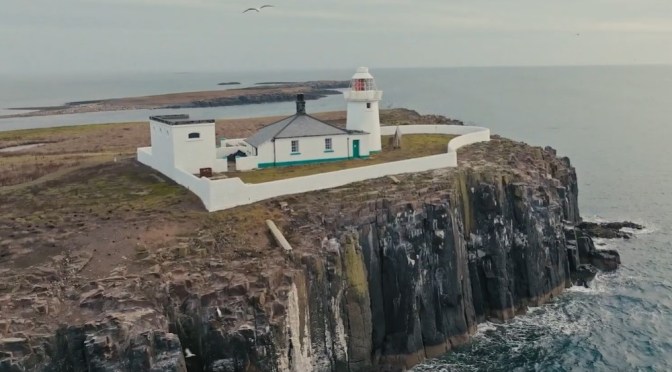
The islands are also home to grey seals with around 2,000 pups born every autumn. With an introduction from presenter Julia Bradbury, this film explores the Inner Farne, where you’ll see dive-bombing terns, a medieval chapel and a Victorian lighthouse. Levison finds out what life is like for the rangers who had to deal with the devastating impact of bird flu. He also learns more about the work being done to maintain and protect the area’s fragile ecosystem, address the impact of climate change, protect bird nests and monitor species.
Parts of the Farne Islands may be closed to the public and landing on the islands may not be possible due to bird flu. If closures are in place, you can still experience the islands on a boat tour. Please check the website before you visit: Farne Islands | Northumberland | National Trust With your support we can continue to care for coastal places like The Farne Islands.
Donate today and help protect wildlife and nature for future generations. https://www.nationaltrust.org.uk/supp…
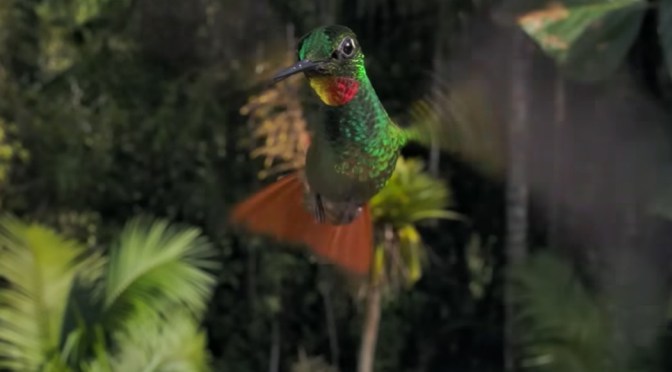
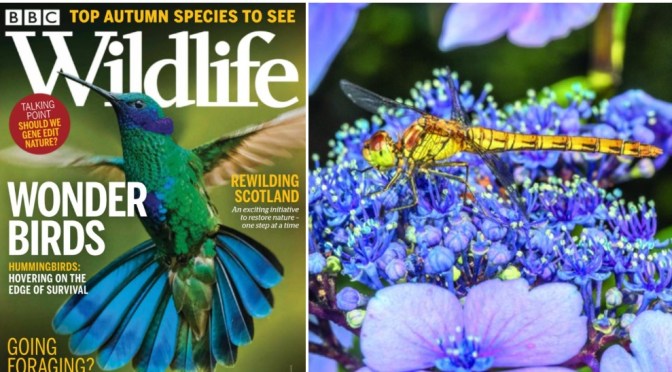
In the Atlantic Rainforest of Argentina and Brazil, hummingbirds gather around flowers in a spectacular dance.

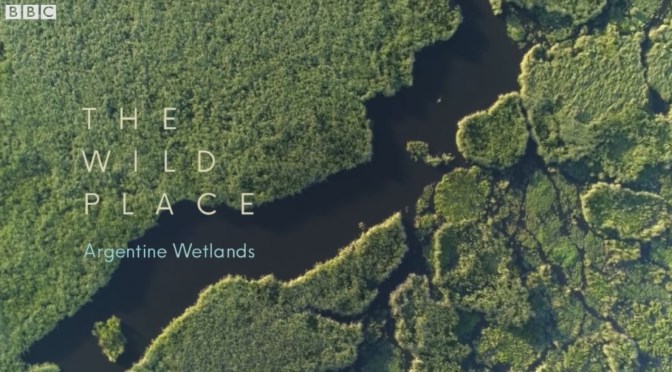
The wetlands are home to a staggering 4,000 plant and animal species, which make up 30 % of Argentina’s biodiversity. The indigenous communities of the wetlands inhabited the area as early as in the 9th century.
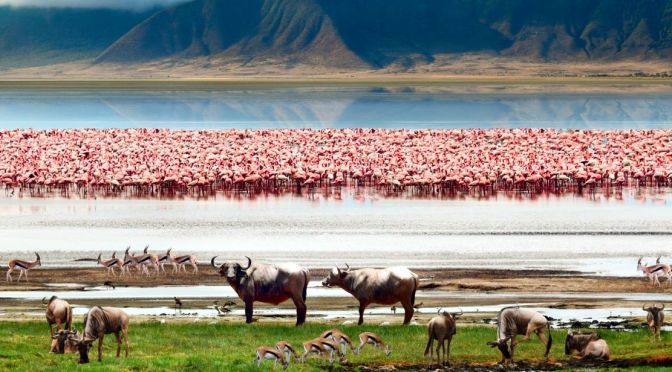
The Ngorongoro Conservation Area spans vast expanses of highland plains, savanna, savanna woodlands and forests. Established in 1959 as a multiple land use area, with wildlife coexisting with semi-nomadic Maasai pastoralists practicing traditional livestock grazing, it includes the spectacular Ngorongoro Crater, the world’s largest caldera.
Video highlights: 00:14 – Giraffes walking on the planes 01:11 – Buffalos walking up the hill 02:28 – Zebras walking near a road 03:44 – Hyeana searching for prey
The property has global importance for biodiversity conservation due to the presence of globally threatened species, the density of wildlife inhabiting the area, and the annual migration of wildebeest, zebra, gazelles and other animals into the northern plains. Extensive archaeological research has also yielded a long sequence of evidence of human evolution and human-environment dynamics, including early hominid footprints dating back 3.6 million years.
Filmed and Edited by: Wonders of Nature


Good Earth State Park southeast of Sioux Falls is an important cultural and historical site as well as a unique nature retreat adjacent to the most developed and populated part of our state. The site itself is one of the oldest sites of long-term human habitation in the United States. The river, abundant wildlife, fertile flood plains, availability of pipestone (catlinite) and protection from winds made the area an important gathering place for seasonal ceremonies and a significant trading center for many tribal peoples from 1300-1700 A.D.
During this time, occupants were primarily Oneota Tradition Peoples, including Omaha, Ponca, Ioway and Otoe, but many other tribes were attracted and participated in trading agricultural product as well as hides, pelts and pipestone (catlinite).
This is the largest Oneota cultural site discovered to date in the upper Midwest. There are two other significant Oneota cultural sites located respectively in southwest Iowa and central Missouri.


BBC Wildlife Magazine – January 2023 issue:
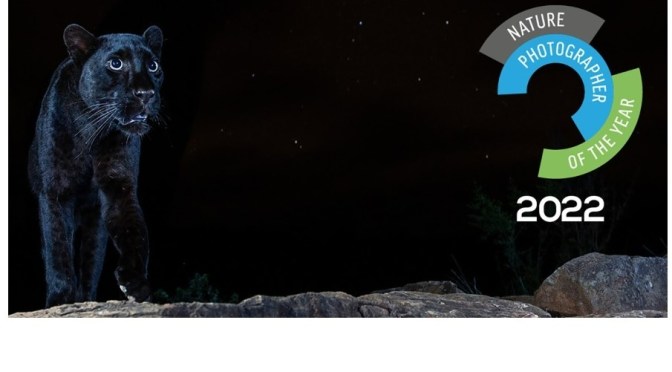
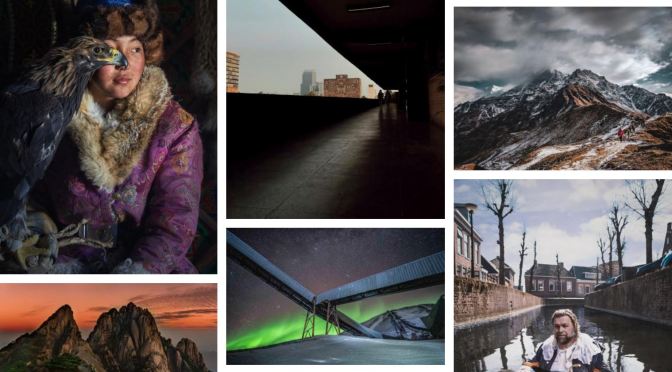
Nature Photographer of the Year is a Nature Photography contest that celebrates the beauty of nature photography.
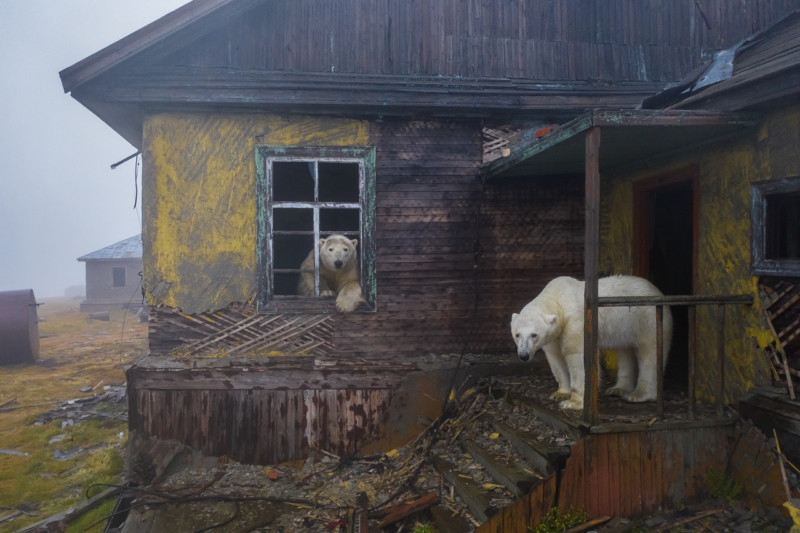
A group of polar bears exploring an abandoned Soviet village in the Arctic has won Nature Photographer of the Year 2022.
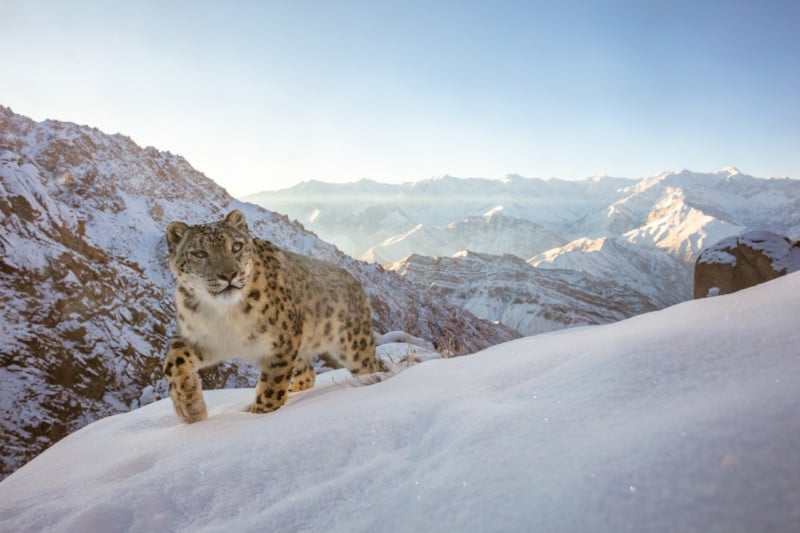
Sascha Fonseca won the Mammals category with a fabulous photo of the endangered snow leopard.