
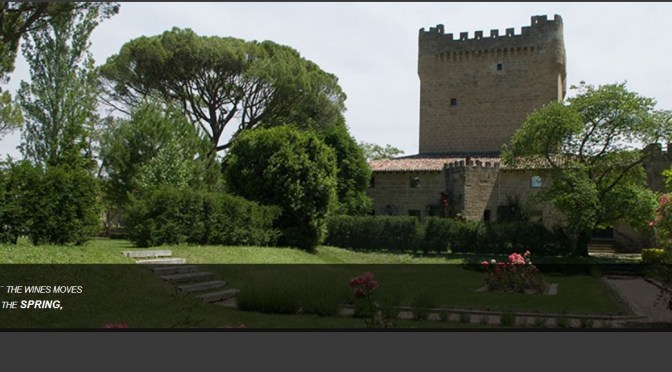
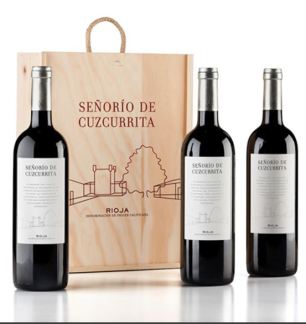
 This Spanish region is home to many large-scale producers, but at Castillo de Cuzcurrita things are done differently. Vintner Ana Martin Onzain unveils how their aged wines – grown and made exclusively in this small village – bring people together.
 HISTORY: Little is known of its history of Cuzcurrita prior to the 14th century. On 15 November 1367, King Enrique II of Castile rewarded the Alcalde Mayor of the Hijosdalgo of Castile, Juan Martínez de Rojas by granting him the title of Feudal Lord of Cuzcurrita with all its lands and rights.
In the 16th century, during the reign of Philip II, the 9th Lord of Cuzcurrita, Pedro Velasco, bastard son of Bernardino de Velasco and the wife of Pedro Suárez de Figueroa, established the entailed estate by marrying Marta de Rojas y Osorio, carving his coat of arms over the entrance to the castle.The fortress, which had been erected by the Suárez Figeroa family between the 14th and 15th centuries, remained in the hands of the Velasco-Rojas family until the last century, subsequently passing through various hands until it was bought by the Sáinz de Incháustegui family, Counts of Alacha, in 1947, who went on to restore it and make it their family home.
Within the irregular square floor plan of this fortress stands the keep, one of the most characteristic of its kind in La Rioja due to the harmony of its dimensions and its few arched openings. This square tower rises from right in the middle of the castle with small, rectangular openings.



 Rosa Park is founding editor of Cereal, which is dedicated to thoughtful travel and lifestyle stories and known for its pared-back aesthetic. Here she reveals her love of Bath’s sandstone buildings, the unique style of her family home – and why you’d better not call her a minimalist.




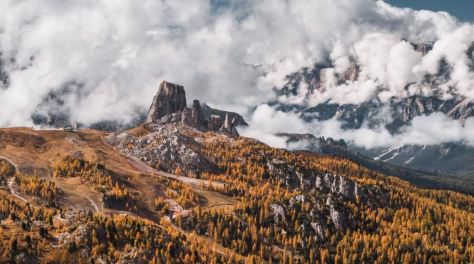
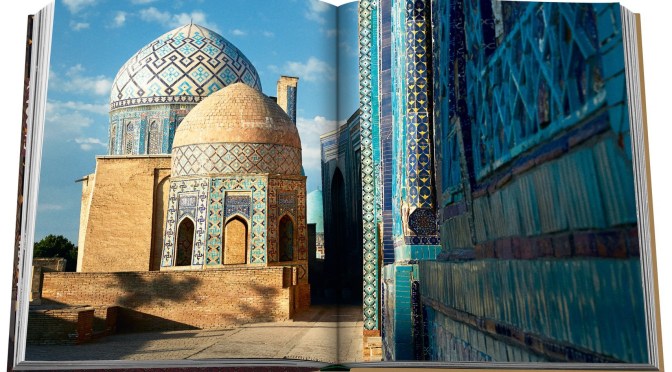
 At the heart of Central Asia lies a land where colossal mountains and sweeping valleys sleep under a blanket of lush greenery. Crowned with golden palaces and wondrous monuments, the architectural landscape of the region is so rich with detail, the structures have been said to mirror the heavens themselves.


 Leblon. Run by the owner of Brazilian fashion label Osklen, this home away from home in an old seafront building stays faithful to the brand with its chic tropical touches.
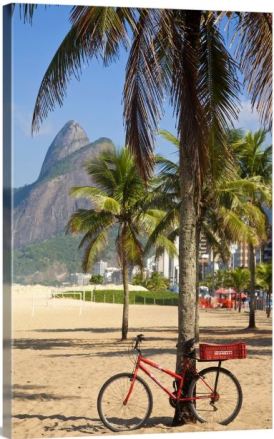 Upscale Leblon is known for its beach, one of the city’s trendiest, most tranquil stretches of sand. Inland, leafy streets have restaurants ranging from cozy French bistros to lively steakhouses, plus mellow bars for beers and caipirinhas. Shopping options include designer fashion boutiques and Shopping Leblon, a modern mall. Teatro do Leblon is a grassroots venue with a packed, eclectic program.

