

Blue Cypress Lake, Florida // Mac Stone

Qaanaaq, Greenland // Kiliii Yüyan


We report as world leaders meet in Bali for the G20 summit. Plus, Kurdish militants deny involvement in the weekend’s Istanbul attack, the Taliban move to implement sharia law in Afghanistan, Austria’s political scandal and Karen Krizanovich wraps up headlines in film.

We look ahead at next week’s G20 summit in Bali. Plus: Kyiv recaptures the first Kherson city from Russia, women are banned from amusement parks in Afghanistan and the latest business news.
Russia’s withdrawal from Kherson, the end of the French-led anti-jihadist Operation Barkhane and Australia’s decision to block pilots from training the Chinese military. Plus: a look ahead at the 2024 US presidential election, a review of the papers, urbanism news and the fifth series of ‘The Crown’.
We give you the latest on the war as Russia ramps up its attacks on Ukraine’s infrastructure and Volodymyr Zelensky lays out conditions for “genuine” peace talks. Plus: the US midterm elections and what the results mean for Ukraine, a flick through today’s papers and a check-in from Dubai Design Week.
As Americans head to the polls for midterm elections we ask, what’s at stake? Plus: Sweden’s prime minister mounts a new charm offensive to win Turkey’s Nato support, the latest from Cop27 in Egypt, a flick through today’s papers and a look at the role of animals in diplomacy.

Life on the Rocks by Juli Berwald.
While there are many different sorts of Anthozoa, their basic unit is a polyp: an individual soft flower-animal similar to an anemone. While anemones are solitary, in corals these polyps band together to form colonies. As they grow, they build a skeleton of limestone around themselves, drawing calcium and carbon molecules from the seawater. They also draw in carbon dioxide to feed their resident algae. Over time these skeletons accumulate upwards and outwards. Corals build on their predecessors, leaving their own legacy behind them for the next generation. Reefs are, in part, the frozen exuberant bouquets of the past.
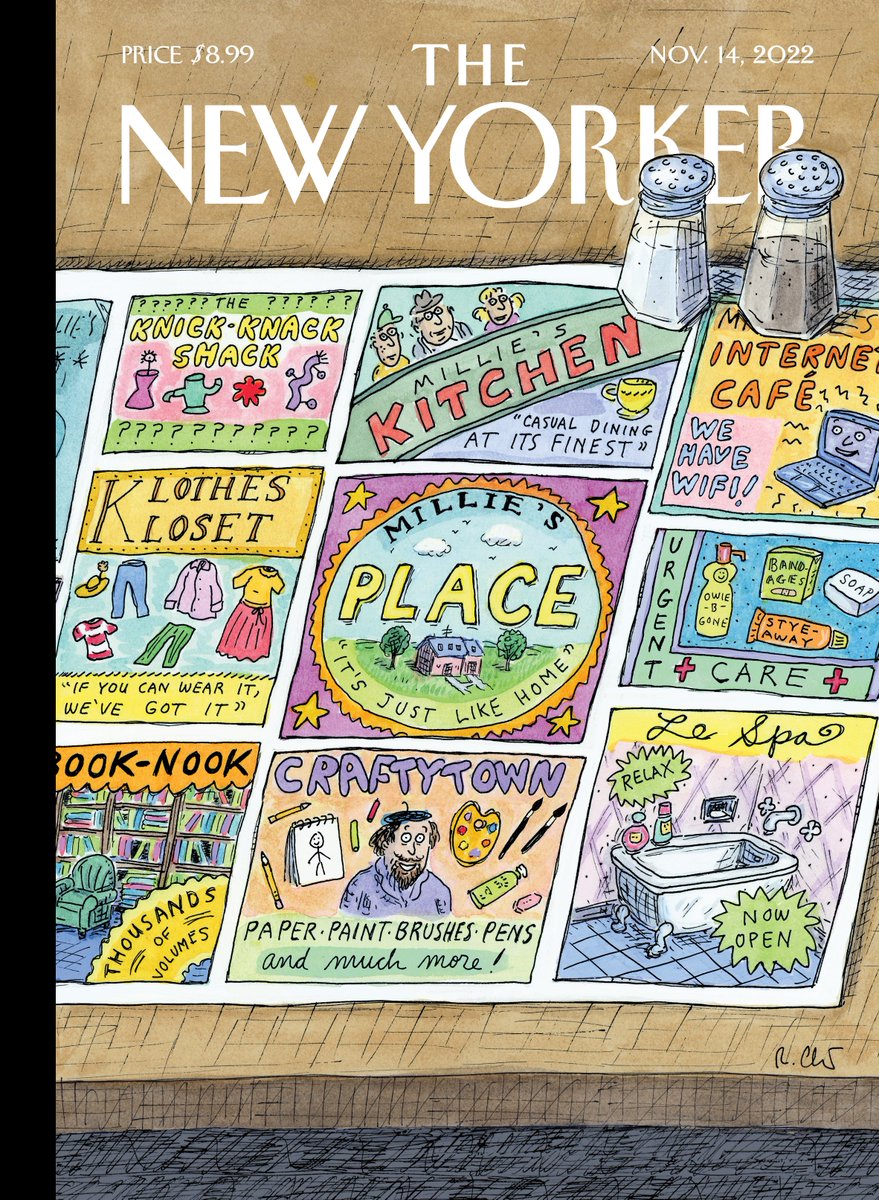


Our twenty-first-century culture of performed remorse has become a sorry spectacle.

The actress and screenwriter takes on a musical.
They dominated far longer than they were dominated, and, a new book contends, shaped the United States in profound ways.
A selection of three essential articles read aloud from the latest issue of The Economist. This week, climate policy is off target, (10:40) Qatar’s World Cup isn’t quite over the goal line and (18:35) why do people who worry about exams do worse?



 Intellicurious