
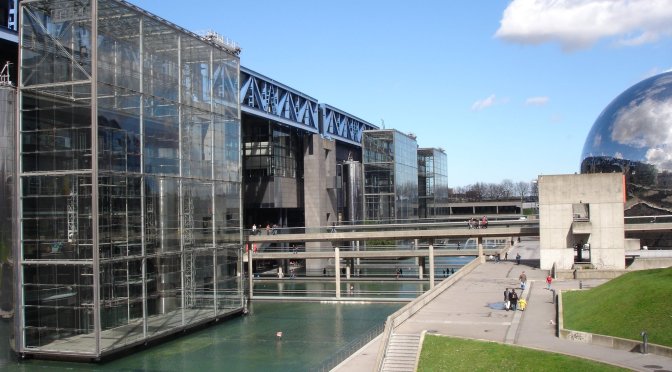
From a CityLab.com online article:
The first of these urban amenities arose in the 1960s, but it was in the 1980s and ‘90s that the construction of science centers truly boomed. Inspired by historic World’s Fair exhibitions, industrial and natural history museums, and the sci-fi dreams of their early founders, science centers had a hands-on mission distinct from that of most museums—to engage rather than display. They offered levers you could pull, gyroscopes you could spin, lab experiments you could conduct.
 The science center is an adolescent among museum types, one whose main growth spurt was in recent memory. Over the past 40 years, they went from a sparse to a ubiquitous presence, now found in almost every major city. Their emergence stretched the ontological essence of the museum: They present not objects, but concepts. Many science centers define themselves explicitly this way and possess slim to no permanent collections.
 In this episode of the podcast, Nature reporter Davide Castelvecchi joins us to talk about the big science events to look out for in 2020. We’ll hear about multiple missions to Mars, a prototype electric car, efforts to prevent dengue, and more.
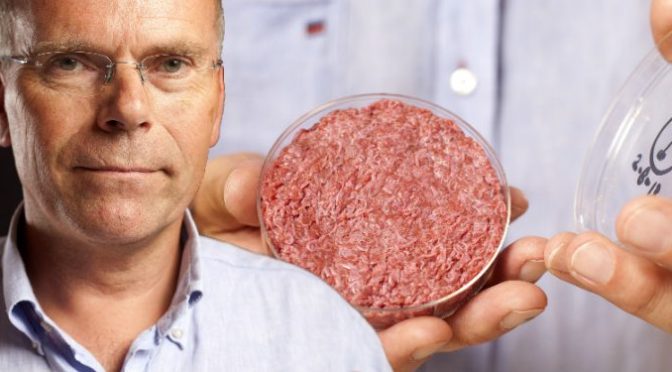
 Interview of Professor Mark Post by Monocle 24 “The Bulletin with UBS” podcast aired January 6, 2020.
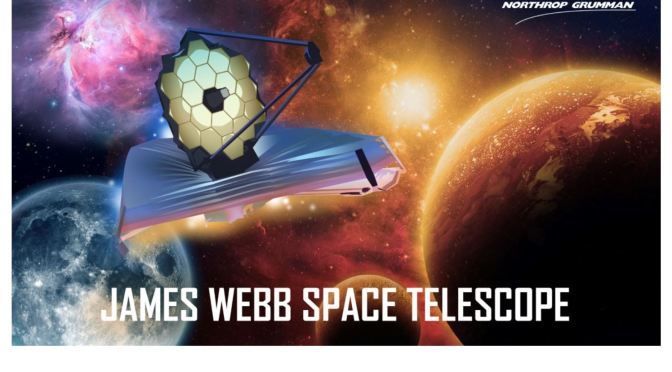
 WHO’s definition of health is famously “a state of complete physical, mental, and social well-being and not merely the absence of disease or infirmity”. One of the oldest medical texts we know of, The Science of Medicine attributed to Hippocrates, sets out the goal of medicine in comparable terms: “the complete removal of the distress of the sick”.

 We start our first episode of the new year looking at
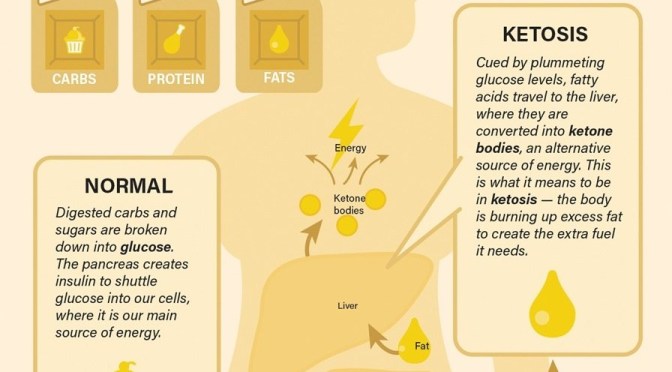
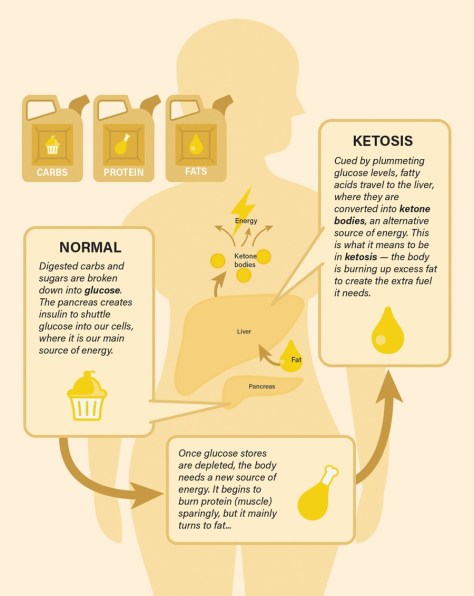
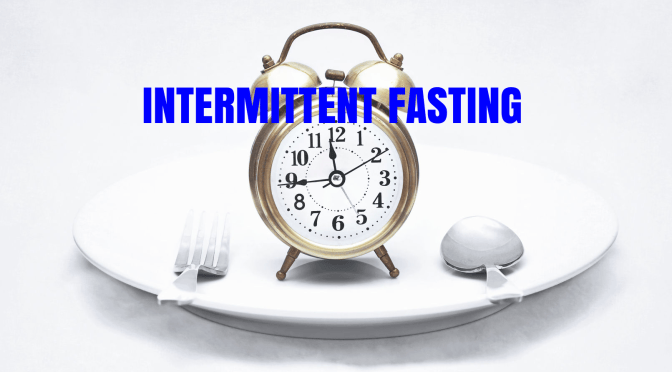
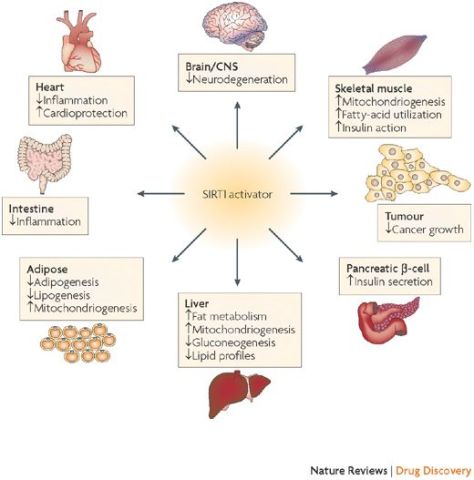
 to a paper Mattson and colleagues published in February in the experimental biology journal FASEB. In humans, fasting for 12 hours or more drops the levels of glycogen, a form of cellular glucose. Like changing to a backup gas tank, the body switches from glucose to fatty acids, a more efficient fuel. The switch generates the production of ketones, which are energy molecules that are made in the liver. “When the fats are mobilized and used to produce ketones, we think that is a key factor in accruing the health benefits,” says Mattson.
 The podcast team share some of their highlights from the past 12 months:

