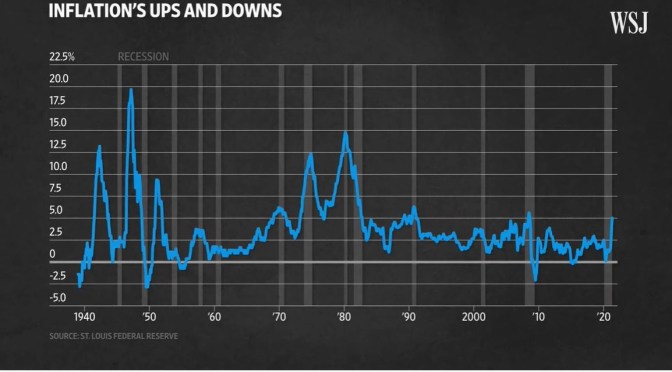

Recently, the U.S. inflation rate reached a 13-year high, triggering a debate about whether the country is entering an inflationary period similar to the 1970s. WSJ’s Jon Hilsenrath looks at what consumers can expect next. Photo: Alexander Hotz
The number of working-age people in China is shrinking. Could this threaten the country’s rise as an economic superpower? Read more here: https://econ.st/3dgzqz0
First this week, Contributing Correspondent Cathleen O’Grady talks with host Sarah Crespi about controversy surrounding the use of Botox injections to alleviate depression by suppressing frowning.
Next, researcher Stephen Zhang, a postdoctoral fellow at the Beth Israel Deaconess Medical Center, discusses his Science Advances paper on what turns on the fruit fly sex drive. Finally, we are excited to kick off a six-part series of monthly interviews with authors of books that highlight the many intersections between race and science and scientists. This week, guest host and journalist Angela Saini talks with Keith Wailoo, professor of history and public affairs at Princeton University, who helped select the topics about the books we will be covering and how they were selected.
Windows 11, due out later this year, is full of new features, including a new Start menu that’s been moved to the center and a Microsoft Store with Android apps. In an exclusive interview, WSJ’s Joanna Stern spoke with Microsoft CEO Satya Nadella about the software, the influence of the pandemic and his strategy of competing with Google and Apple. Photo illustration: Alex Kuzoian/The Wall Street Journal
If we made 90% of our new buildings from wood, we could reduce our global CO2 emissions and improve our wellbeing, Tom Heap explains.
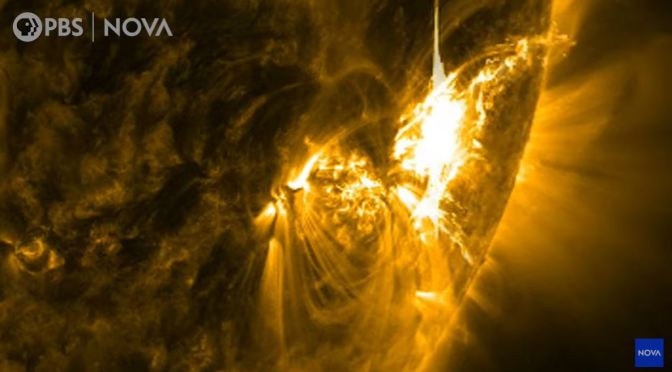
Solar storms can hit close to home and have the potential to affect our power grid and cause widespread blackouts. Watch how researchers and engineers are working to make sure important infrastructure—like our power grid—is protected from geomagnetic disturbances caused by space weather.
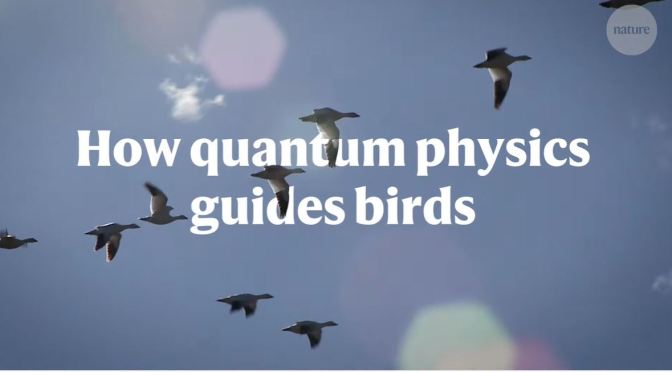
Some birds can sense Earth’s magnetic field, using it to navigate. But precisely how they do this has long remained a mystery. Now, researchers have confirmed that a protein found in bird eyes displays a quantum mechanical phenomenon which makes it sensitive to magnetic fields. The researchers suggest this mechanism could be behind birds’ magnetoreception abilities.
Read the paper: https://www.nature.com/articles/s4158…
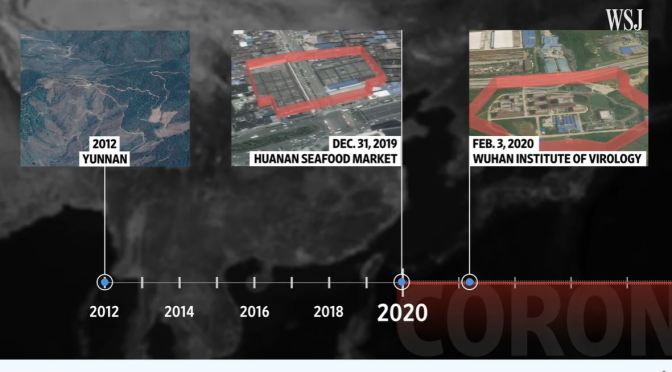
More than a year into the pandemic, scientists are still debating Covid-19’s origins. WSJ breaks down key events in three locations in China – a seafood market, a lab and a mine – to piece together how the global health crisis might have started. Photo composite: George Downs
New York City’s waterfront just got a radical addition. This is Little Island – a public park over the water financed by a billionaire. For more by The B1M subscribe now – http://ow.ly/GxW7y Full story here – https://theb1m.com/video/the-battle-t…