
From a BMJ online article:
We derived a healthy lifestyle score based on information on five lifestyle factors—diet, smoking, physical activity, alcohol consumption, and body mass index (BMI).
 Our findings suggest that promotion of a healthy lifestyle would help to reduce the healthcare burdens through lowering the risk of developing multiple chronic diseases, including cancer, cardiovascular disease, and diabetes, and extending disease-free life expectancy. Public policies for improving food and the physical environment conducive to adopting a healthy diet and lifestyle, as well as relevant policies and regulations (for example, smoking ban in public places or trans-fat restrictions), are critical to improving life expectancy, especially life expectancy free of major chronic diseases.
The average life expectancy in the world has increased substantially in the past few decades. The aging of the population has led to a high prevalence of chronic diseases such as diabetes, cardiovascular disease, and cancer. Although people live longer, older individuals often live with disabilities and chronic diseases. People with chronic diseases including cancer, cardiovascular disease, and diabetes have a shorter life expectancy than do their peers without these chronic conditions. Estimates of the loss in life years due to these chronic conditions range from 7.5 to 20 years, depending on the methods used and the characteristics of the study population.
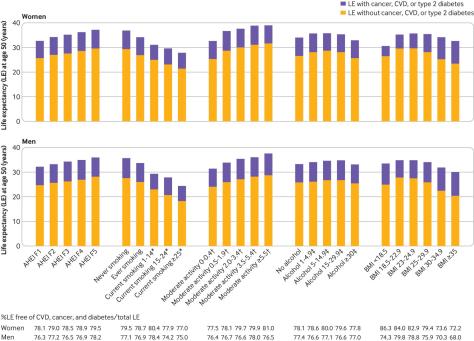
Modifiable lifestyle factors including smoking, physical activity, alcohol intake, body weight, and diet quality affect both total life expectancy and incidence of chronic diseases. Studies have shown that smoking, inactivity, poor diet quality, and heavy alcohol consumption contribute up to 60% of premature deaths and 7.4-17.9 years’ loss in life expectancy. Nevertheless, little research has looked at how a combination of multiple lifestyle factors may relate to life expectancy free from the major diseases of diabetes, cardiovascular disease, and cancer.

 Getting into an MRI machine can be a tight fit for just one person. Now, researchers interested in studying face-to-face interactions are attempting to
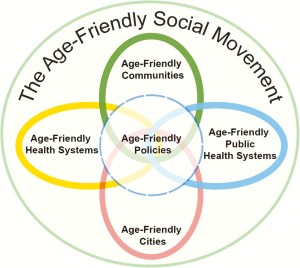 Becoming an Age-Friendly Health System entails reliably acting on a set of four evidence-based elements of high-quality care and services, known as the “4Ms,” for all older adults. When implemented together, the 4Ms represent a broad shift to focus on the needs of older adults:

 “Turman, Nichols and I related to The Graduate in exactly the same way,” Henry told Vanity Fair. “We all thought we were [the book’s protagonist] Benjamin Braddock. Plus, it’s an absolutely first-class novel, with great characters, great dialogue, a terrific theme. Who could resist it? I read it and I said, ‘Yes, let’s go.'”
 In this episode of the podcast, Nature reporter Davide Castelvecchi joins us to talk about the big science events to look out for in 2020. We’ll hear about multiple missions to Mars, a prototype electric car, efforts to prevent dengue, and more.
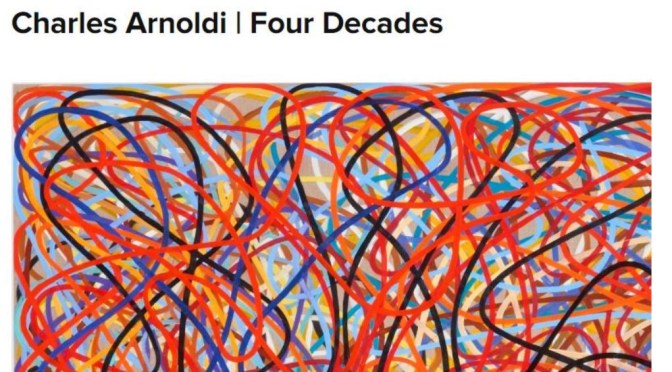

 of the artist’s expansive and materials-focused practice from the 1970s to the present.
 Charles Arnoldi was a young man from Dayton, Ohio who had seen little of the world when he arrived in Southern California in the mid 1960s. Following stints at a local community college and Chouinard Art Institute, Arnoldi won LACMA’s New or Young Talent Award in 1969 and thus began his ever-evolving career which continues to this day in his sprawling Venice studio.
 Intellicurious