Category Archives: History

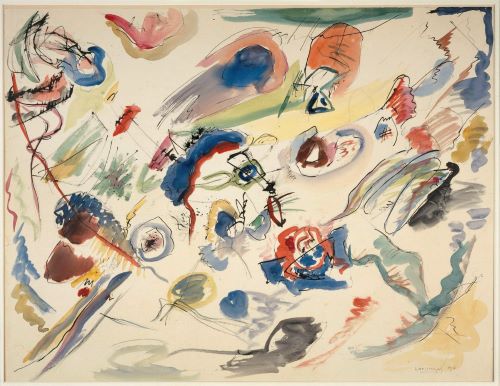
Art Books: Watercolor – A History (Marie-Pierre Salé)

The most comprehensive and best-illustrated history of watercolor painting ever published.
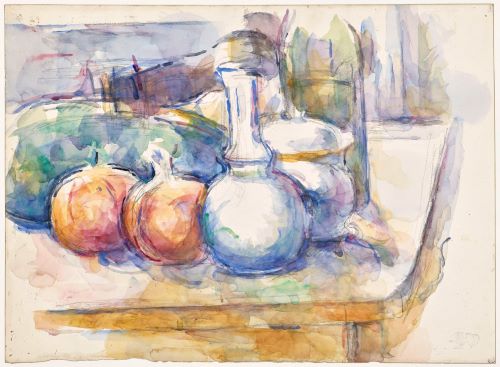
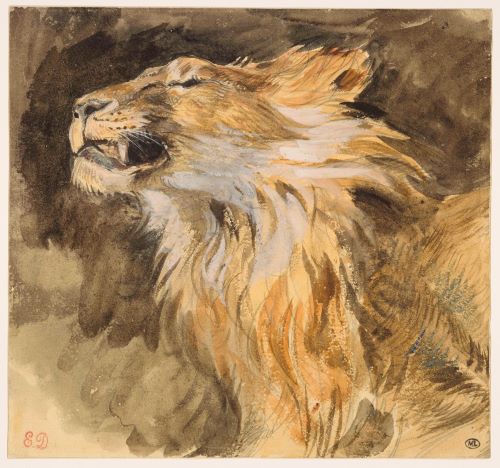
The term watercolor calls to mind atmosphere, luminosity, and immediacy―qualities that derive directly from the quick-drying, translucent nature of water-based pigments. In Watercolor: A History, Louvre curator Marie-Pierre Salé provides an authoritative and beautifully illustrated account of this versatile and widely beloved artistic medium.

Salé’s incisive text traces the development of watercolor from the thirteenth to the twentieth century in Europe and the United States, encompassing every type of work―from plein-air sketches to finished studio pieces―and a wide variety of artists. Here are Dürer’s detailed animal studies, Turner’s landscapes, Cézanne’s tireless explorations, Sargent’s light-dappled sketches, O’Keeffe’s pioneering abstractions.

This handsome volume features more than three hundred full-color illustrations, specially printed on Munken paper to capture the vibrancy and texture of the original works. It is sure to be welcomed by art historians and art lovers alike.
Read more

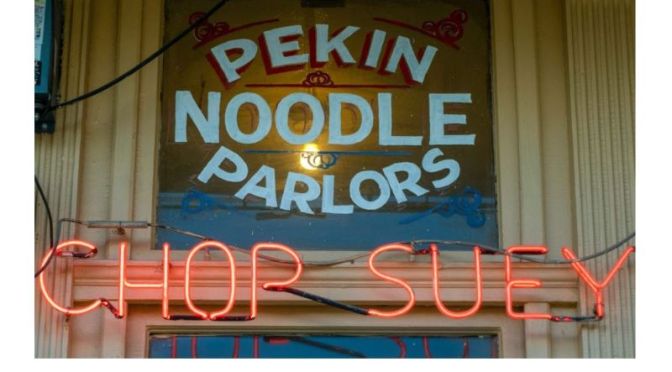
Food & Culture: ‘Pekin Noodle Parlor – Oldest Chinese Restaurant In U.S.’

The oldest continuously-running Chinese restaurant in the United States, the Pekin Noodle Parlor, has been feeding customers in Butte, Montana, since 1911. Correspondent Luke Burbank visits the multi-generational family business and takes a step into culinary history.

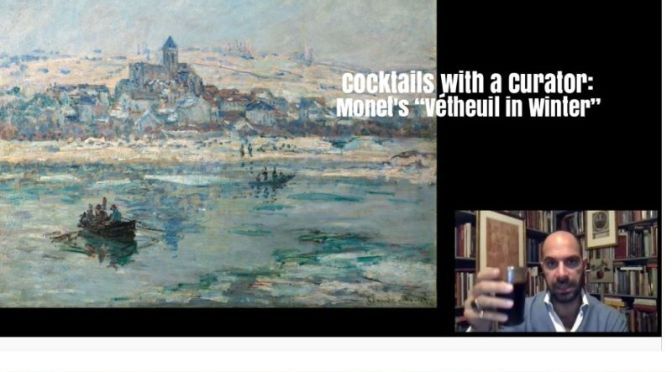
Cocktails With A Curator: Claude Monet’s “Vétheuil in Winter” (Frick Video)

In this week’s episode of “Cocktails with a Curator,” Deputy Director and Peter Jay Sharp Chief Curator Xavier F. Salomon takes viewers through Claude Monet’s journey as an artist, focusing on “Vétheuil in Winter,” one of only four Impressionist paintings at The Frick Collection. Monet created this work during a particularly difficult period in his life, which included his wife’s passing and the bankruptcy of his biggest patron. For Xavier, this canvas signifies the importance of hope, as Monet persevered and went on to complete some of his greatest works in the wake of these challenges. The wintry landscape is paired with a complementary beverage of mulled wine. To view this painting in detail, please visit our website: https://www.frick.org/vetheuilwinter

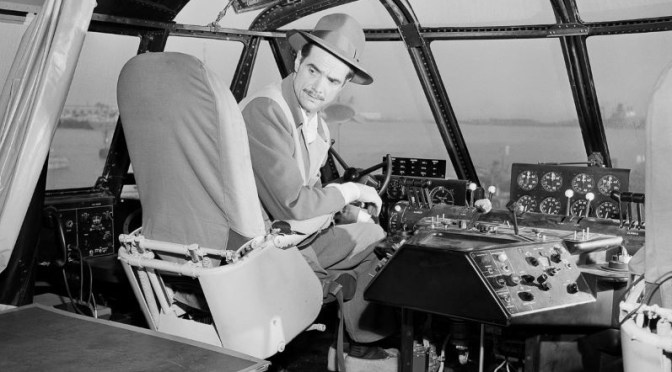
Podcast: Howard Hughes & Early Aviation History

Howard Hughes was a lot of things: one of America’s first billionaires, a film producer and an entrepreneur in industries from media to oil to property.

But Hughes was also a keen aviator and owner of the airline TWA, who broke round-the-world records and paved the way for competition in international air travel.

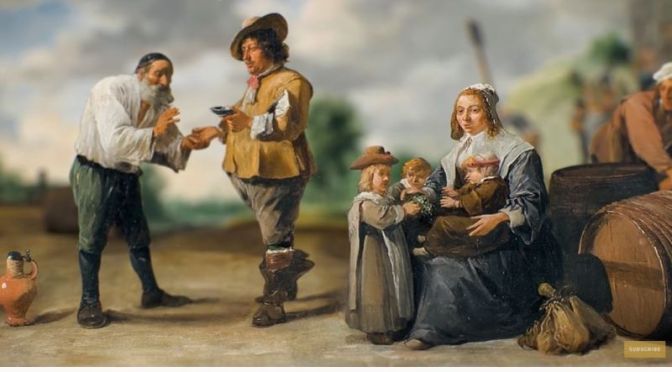
Art: Experience ‘The Wine Harvest’ By 17th C. Flemish Painter David Teniers


Hear the voice of Downton Abbey star Jim Carter bring to life David Teniers’ monumental depiction of a 17th-century wine harvest. Immerse yourself in Teniers’ unrivalled talent for storytelling as we see grape harvesters unloading their bounty, coopers fixing up wine barrels, a wine merchant sealing a deal, and worse for wear villagers raising their glasses to the temple of Bacchus. Unseen in over a century, ‘The Wine Harvest’ is the finest work by Teniers to come to market in living memory.

David Teniers the Younger or David Teniers II was a Flemish Baroque painter, printmaker, draughtsman, miniaturist painter, staffage painter, copyist and art curator. He was an extremely versatile artist known for his prolific output. 

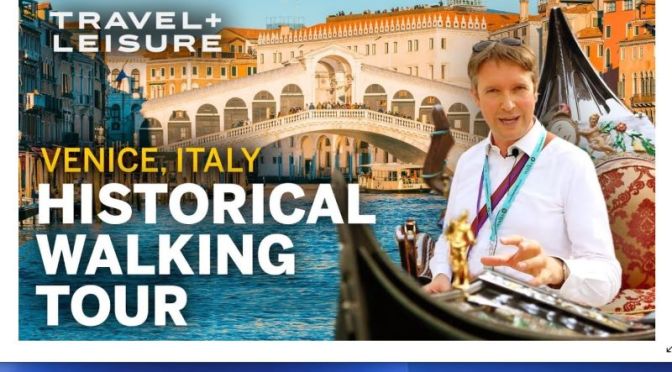
Historical Walking Tours: Venice, Italy (Video)

Take a virtual journey across the globe and experience years worth of Venetian history with expert tour guide Mose Viero. This “Venice in a Day” tour explores incredible historic landmarks and architecture, including the Grand Canal, St. Mark’s Basilica Bell Tower, Rialto Bridge and Doge’s Palace.

Fruits: ‘The History Of Orange Trees’ (Video)

Orange trees are among the most popular fruit trees grown around the world. But the orange has a unique history that is intimately tied to human civilization and deserves to be remembered. This is original content based on research by The History Guy. Images in the Public Domain are carefully selected and provide illustration. As very few images of the actual event are available in the Public Domain, images of similar objects and events are used for illustration.

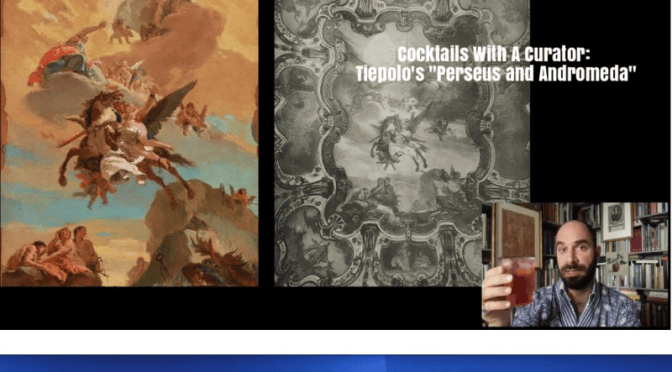
Cocktails With A Curator: Tiepolo’s “Perseus and Andromeda” (Frick Video)

In this week’s episode of “Cocktails with a Curator,” Deputy Director and Peter Jay Sharp Chief Curator Xavier F. Salomon considers the fragility of art in the context of the Frick’s “Perseus and Andromeda” by Giambattista Tiepolo. This depiction of the Greek demigod saving Andromeda from a sea-monster is a preparatory sketch for a series of ceiling frescoes at Palazzo Archinto in Milan that were destroyed during an Allied bombing in 1943. The painting was featured in an acclaimed 2019 exhibition at the Frick that brought together the surviving preparatory works and pre-war photography to tell the story of these lost masterpieces. This week’s complementary cocktail is a Milanese Gin and Tonic.

To view this painting (or object) in detail, please visit our website: https://www.frick.org/perseusandromedaSHOW LESS

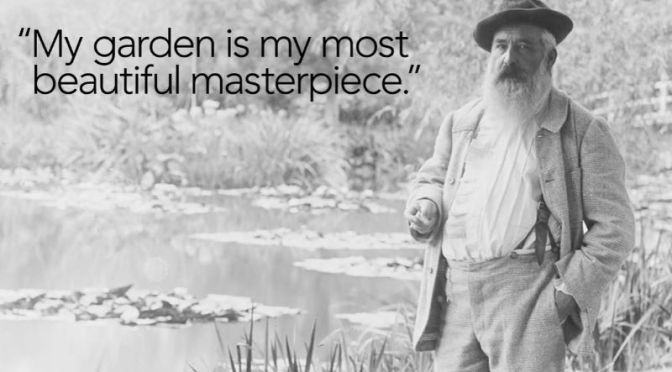
Artwork: Claude Monet’s ‘Japanese Footbridge And Water Lily Pool, Giverny’

Often called the Father of Impressionism, Claude Monet inspired the term that defined this movement. Born in Paris, Monet would later live in Giverny, where he purchased a property, planted sprawling gardens, and painted his famous water lilies. https://www.philamuseum.org/collectio…

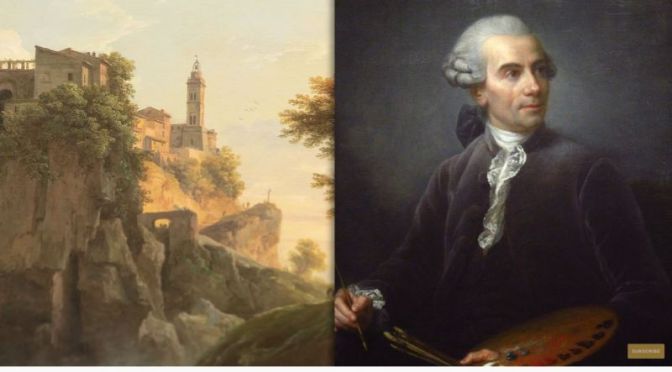
Artist Profile: French Landscape Painter Joseph Vernet – ‘View Of Tivoli’

In the 18th century, Joseph Vernet was uncontestably the greatest landscape painter of his generation. In this episode of Anatomy of an Artwork, discover how the ambitious and poetic landscape of ‘View of Tivoli’ pays tribute to the Italy Vernet loved so dearly.

Claude-Joseph Vernet was the leading French landscape painter (with Hubert Robert) of the later 18th century. He achieved great celebrity with his topographical paintings and serene landscapes. He was also one of the century’s most accomplished painters of tempests and moonlight scenes.

Vernet was born at Avignon and trained there with his father, Antoine, and with the history painter Philippe Sauvan. He spent the years 1734 to 1752 in Rome, where he studied classical landscapes in the tradition of Claude and Gaspard Dughet, as well as the dramatic paintings of Salvator Rosa. In Rome he was influenced by the contemporary Roman topographical painter Giovanni Paolo Panini. He had many English clients and admirers in Rome, including Richard Wilson, whom Vernet is thought to have encouraged as a landscape painter.