
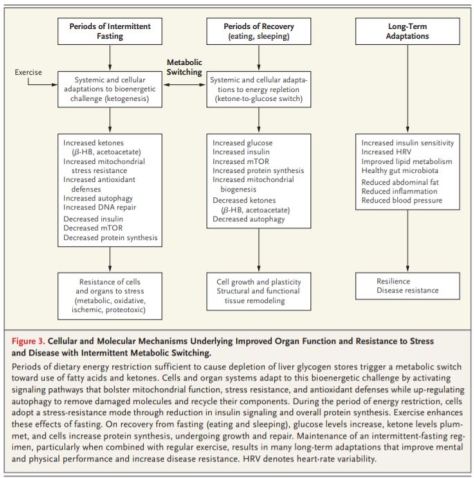
Following the important publishing of “The Benefits Of Intermittent Fasting” study by Johns Hopkins in the New England Journal of Medicine on December 26, 2019, the 60-year old editor of Boomers-Daily.com (“B-D”) will launch, participate in, and document a decade-long, 18-Hour Intermittent Fasting Diet on December 30, 2019. The following protocol will be followed:
- All daily food consumption will be between 10 am and 4 pm
- Diet will be followed 7 days a week
- High fiber, nutrition-dense foods will be favored
- Gluten-free and Lactose-free foods will be favored
- Eating will NOT be calorie-restricted
- Bedtime target of 7:30 to 8:30 pm (or earlier) every night
- 7-8+ hours of sleep per night a PRIORITY
- Early morning vigorous exercise daily of 1 – 1 1/2 hours targeted
All readers of Boomers-Daily.com are encouraged to communicate with B-D and launch their own 18-hour Intermittent Fasting Diet (the 6-hour eating period can be varied 1-2 hours later or earlier). Please email boomersdaily@gmail.com to join the study, comment or inquire about this or your own 18-Hour Intermittent Fasting Diet. We will be looking to start an online chat room and other online platforms to increase the size, scope, visibility and transparency of the study over the next decade.






 This latest paper builds on previous Newcastle studies supported by
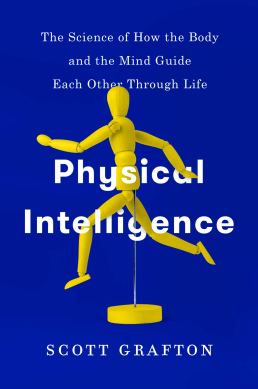 Through the prisms of behavioral neurology and cognitive neuroscience, Scott Grafton brilliantly accounts for the design and workings of the action-oriented brain in synchronicity with the body in the natural world, and he shows how physical intelligence is inherent in all of us—and always in problem-solving mode. Drawing on insights gleaned from discoveries by engineers who have learned to emulate the sophisticated solutions Mother Nature has created for managing complex behavior, Grafton also demonstrates the relevance of physical intelligence with examples that each of us might face—whether the situation is mundane, exceptional, extreme, or compromised.


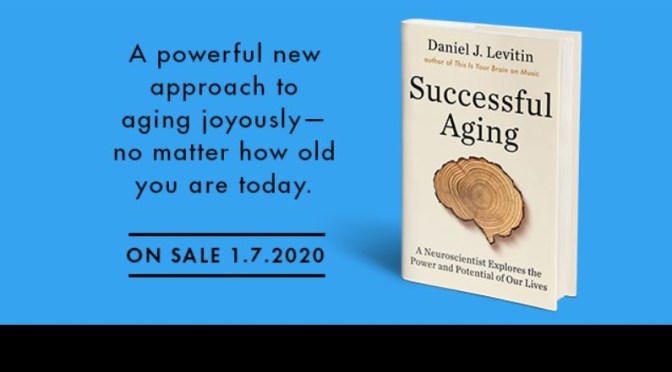
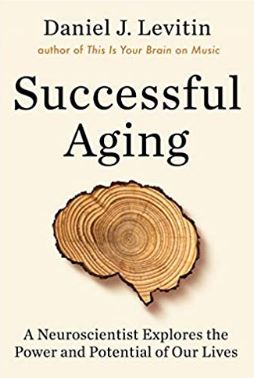 ‘Successful Aging’ uses research from developmental neuroscience and the psychology of individual differences to show that sixty-plus years is a unique developmental stage that, like infancy or adolescence, has its own demands and distinct advantages. Levitin looks at the science behind what we all can learn from those who age joyously, as well as how to adapt our culture to take full advantage of older people’s wisdom and experience. Throughout his exploration of what aging really means, Levitin reveals resilience strategies and practical, cognitive enhancing tricks everyone should do as they age.
 Intellicurious