Dr. Aimee Kao discusses key behaviors known to protect brain health. Dr. Kao looks at population trends and wonders if they tell a complete story. Watch full lecture here:

Dr. Aimee Kao discusses key behaviors known to protect brain health. Dr. Kao looks at population trends and wonders if they tell a complete story. Watch full lecture here:
New York Times columnist David Brooks and Washington Post columnist Jonathan Capehart join Judy Woodruff to discuss the latest political news, including how the surging coronavirus is affecting President Trump’s public support, the significance of the Supreme Court’s recent rulings and presumptive Democratic presidential nominee Joe Biden’s economic policy recommendations.
 Nature discusses the massive coronavirus outbreak that struck the iconic Californian prison after it rejected expert aid.
In this episode:
01:47 Disaster in San Quentin
San Quentin prison is facing a massive outbreak, we dig into how they got there. The crisis has arisen despite warnings from experts, and offers of free tests, which were declined. We ask why? And what can be done now?
29:51 One good thing
For the last episode of Coronapod, our hosts pick out ways that the pandemic has changed them for the better, including professional flexibility, a renewed focus on the power of reporting and time with family
36:07 Lockdown and children’s health
Reporter Stewart asks if lockdowns could have any lasting impact on her young children – what evidence is there on the effect of isolation on young minds?
Survey: Co-Space Study: Supporting Parents, Adolescents and Children during Epidemics
Will the coronavirus pandemic lead to long-term changes in how we shop for food? To better understand the challenges facing grocery stores, WSJ’s Alexander Hotz spoke with an industry insider, a store owner and a Walmart executive.
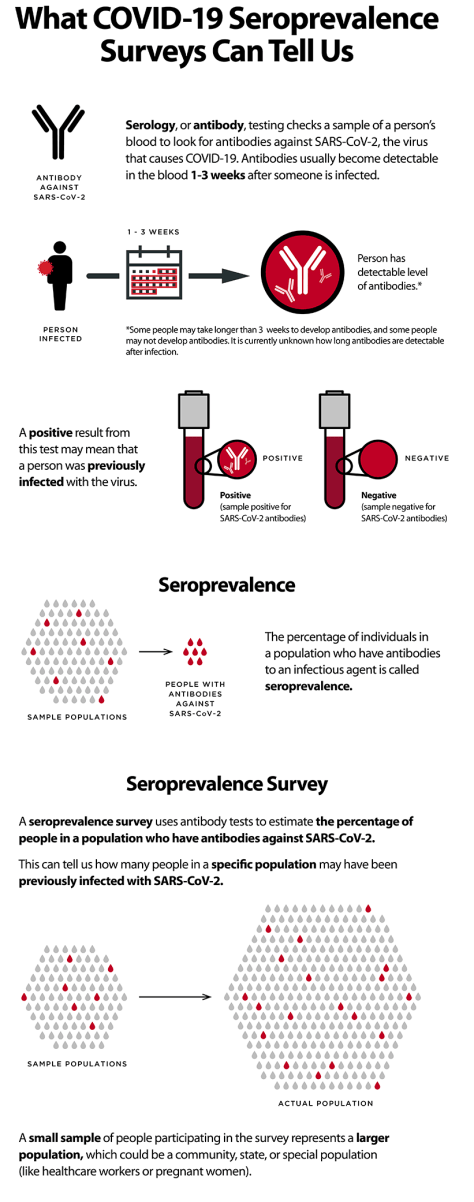
Public health organizations track the spread of coronavirus and use graphs and charts to visualize the data. WSJ’s Brianna Abbott explains what to look for in the data to understand how the virus is impacting your community.
Photo illustration: Laura Kammermann/WSJ
From U.S. News (July 7, 2020):
“Numerous studies have linked insufficient sleep with significant health consequences. Yet, many people ignore the signs of sleep problems or don’t allow enough time to get adequate sleep,” said lead researcher Eileen Leary. She is a senior manager of clinical research at Stanford University in Palo Alto, Calif.

“REM sleep appears to be a reliable predictor of mortality and may have other predictive health values,” Leary said. “Strategies to preserve REM may influence clinical therapies and reduce mortality risk, particularly for adults with less than 15% of REM sleep.”
REM (rapid eye movement) sleep is when dreams occur and the body repairs itself from the ravages of the day. For every 5% reduction in REM sleep, mortality rates increase 13% to 17% among older and middle-aged adults, researchers report.
For the study, Leary and her colleagues included more than 2,600 men, average age 76, who were followed for a median of 12 years. They also collected data on nearly 1,400 men and women, average age 52, who were part of another study and were followed for a median of 21 years.
Poor REM sleep was tied to early death from any cause as well as death from cardiovascular and other diseases, the researchers found.
 The spread of misinformation is crippling our fight against the coronavirus. Social media and a deeply partisan divide are fueling what the World Health Organization calls an “infodemic,” which is just as urgent as the virus itself.






 Intellicurious