Category Archives: Health

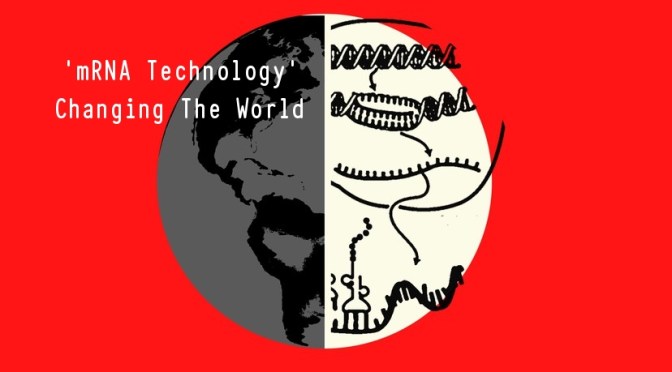
Biotechnology: ‘mRNA Could Change The World’

The dream of mRNA persevered in part because its core principle was tantalizingly simple, even beautiful: The world’s most powerful drug factory might be inside all of us.
Like so many breakthroughs, this apparent overnight success was many decades in the making. More than 40 years had passed between the 1970s, when a Hungarian scientist pioneered early mRNA research, and the day the first authorized mRNA vaccine was administered in the United States, on December 14, 2020. In the interim, the idea’s long road to viability nearly destroyed several careers and almost bankrupted several companies.
Read full article in The Atlantic

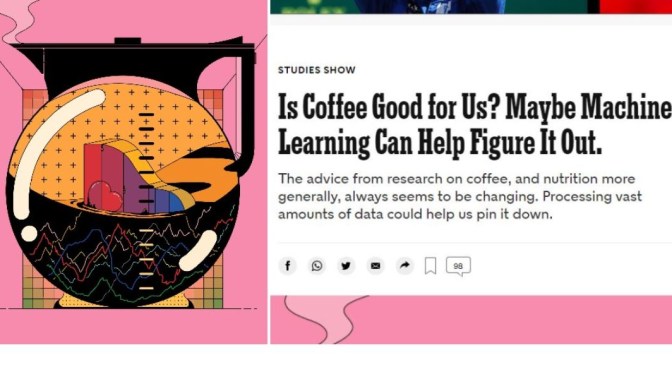
Studies: ‘Coffee’ – Machine Learning Review Shows Benefits Of Drinking It

“It may be good for you,” says Dariush Mozaffarian, dean of the Friedman School of Nutrition Science and Policy at Tufts University. “I think we can say with good certainty it’s not bad for you.” (Additives are another story.)

After the link appeared between coffee intake and a reduced risk of heart failure in the Framingham data, Kao confirmed the result by using the algorithm to correctly predict the relationship between coffee intake and heart failure in two other respected data sets. Kosorok describes the approach as “thoughtful” and says that it “seems like pretty good evidence.”

Should you drink coffee? If so, how much? These seem like questions that a society able to create vaccines for a new respiratory virus within a year should have no trouble answering. And yet the scientific literature on coffee illustrates a frustration that readers, not to mention plenty of researchers, have with nutrition studies: The conclusions are always changing, and they frequently contradict one another.

Read full article in the New York Times

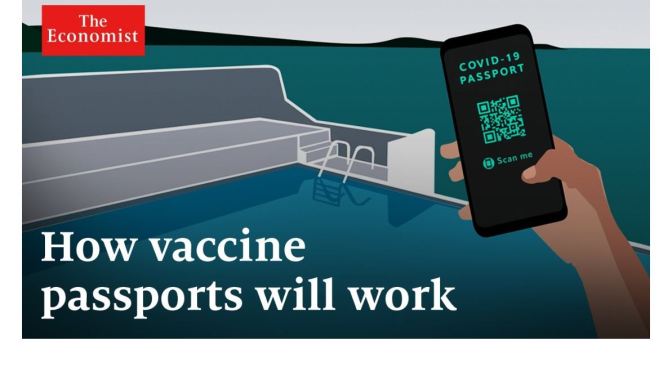
Video Analysis: How Vaccine Passports Can Kick-Start The Economy

Vaccine passports are likely to become a feature of everyday life as lockdowns are lifted across the world. But as “green passes” kick-start economies, what are the potential drawbacks? Read more of our coverage on coronavirus : https://econ.st/397Mkxq

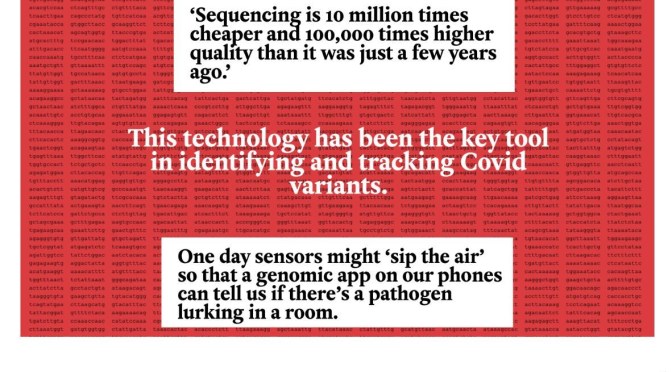
Biotechnology: ‘Genome Sequencing – Unlocking The Covid Code’ (NY Times)

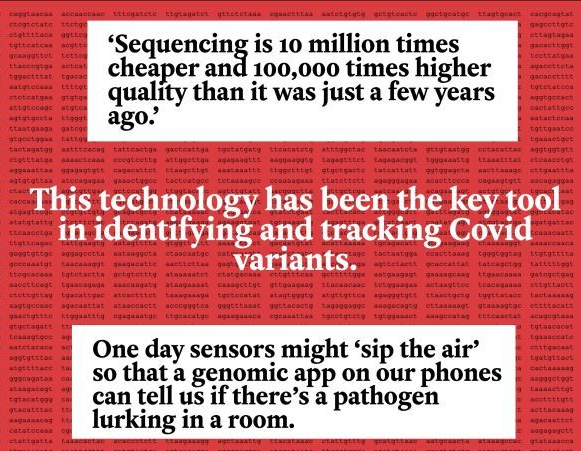
The advent of commercial genome sequencing has recently, and credibly, been compared to the invention of the microscope, a claim that led me to wonder whether this new, still relatively obscure technology, humming away in well-equipped labs around the world, would prove to be the most important innovation of the 21st century.

And unexpectedly, Covid-19 has proved to be the catalyst. “What the pandemic has done is accelerate the adoption of genomics into infectious disease by several years,” says deSouza, the Illumina chief executive. He also told me he believes that the pandemic has accelerated the adoption of genomics into society more broadly — suggesting that quietly, in the midst of chaos and a global catastrophe, the age of cheap, rapid sequencing has arrived.

Read full article in the NY Times

Analysis: ‘March Madness’ Tries To Limit Covid (Video)

The NCAA has created a ‘controlled environment’ with an extensive list of protocols aimed at keeping the coronavirus from upending March Madness for a second year. The stakes are high for both the players and the NCAA. Photo: Marc Lebryk-USA TODAY Sports

Medicine: Adequate Sleep & Cardiovascular Health

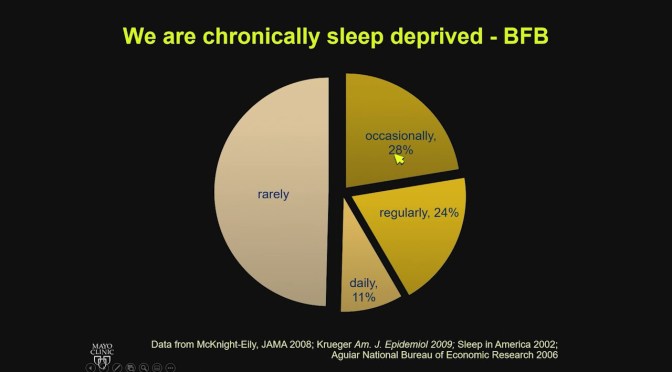
Mayo Clinic Division of Preventive Cardiology will be preparing a series of recordings focusing on Cardiovascular Disease states. This is the Sleep Series and this particular one focuses on what is adequate sleep and does it benefit Cardiovascular Health.

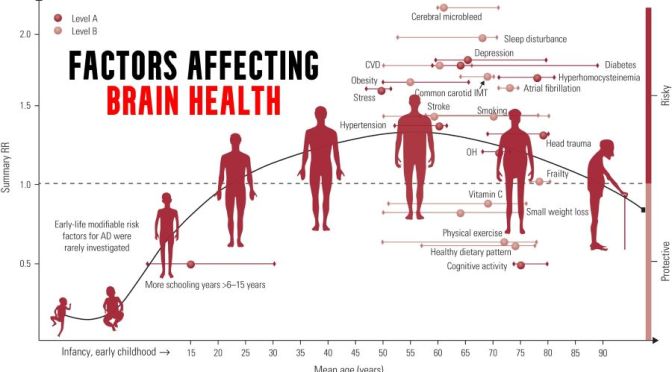
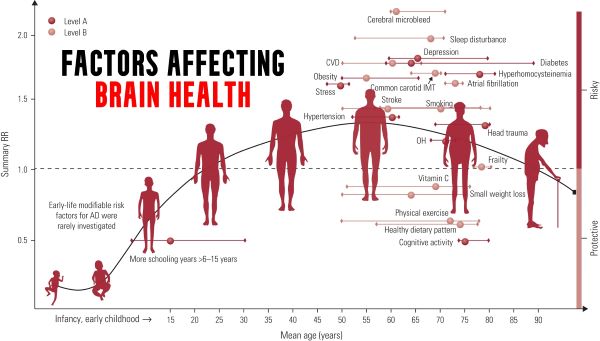
Infographic: Enhancing Brain Health Across An Individual’s Lifespan

Opportunities for enhancing brain health across the lifespan

Published online by Cambridge University Press:  22 March 2021

Summary

As we age, there are characteristic changes in our thinking, reasoning and memory skills (referred to as cognitive ageing). However, variation between people in the timing and degree of change experienced suggests that a range of factors determine individual cognitive ageing trajectories. This narrative review considers some of the lifestyle factors that might promote (or harm) cognitive health. The focus on lifestyle factors is because these are potentially modifiable by individuals or may be the targets of behavioural or societal interventions. To support that, the review briefly considers people’s beliefs and attitudes about cognitive ageing; the nature and timing of cognitive changes across the lifespan; and the genetic contributions to cognitive ability level and change. In introducing potentially modifiable determinants, a framing that draws evidence derived from epidemiological studies of dementia is provided, before an overview of lifestyle and behavioural predictors of cognitive health, including education and occupation, diet and activity.

Read more

Covid-19: How Risky Are School Classrooms?

A year into the coronavirus pandemic, many schools are only partially open for fear they could fuel the spread of the virus. Experts explain what the actual risks are for spreading Covid-19 in schools and how proper controls can change that equation. Illustration: Preston Jessee for The Wall Street Journal