
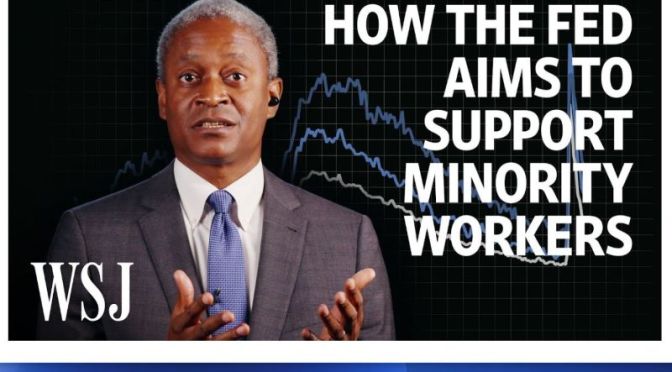
Recent changes to the Federal Reserve’s monetary policy framework could boost prospects for marginalized groups. Raphael Bostic, President of the Federal Reserve Bank of Atlanta, explains.
Category Archives: Economics
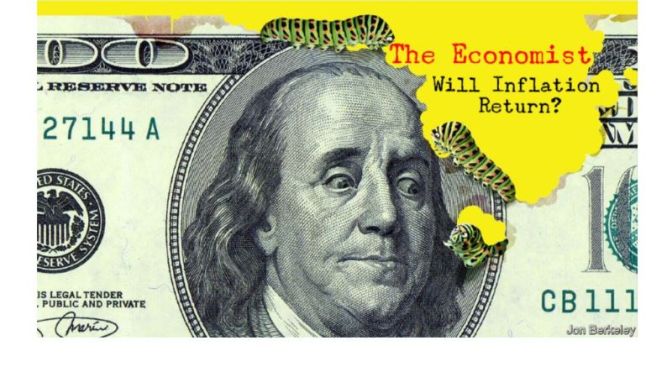
World News: Inflation Rebound, Religious Discrimination In New York & Transgender Teens
A selection of three essential articles read aloud from the latest issue of The Economist. This week: after the pandemic, will inflation return? Religious discrimination in a New York village (09:35). And, the global repercussions of an English ruling on transgender teens (13:45)
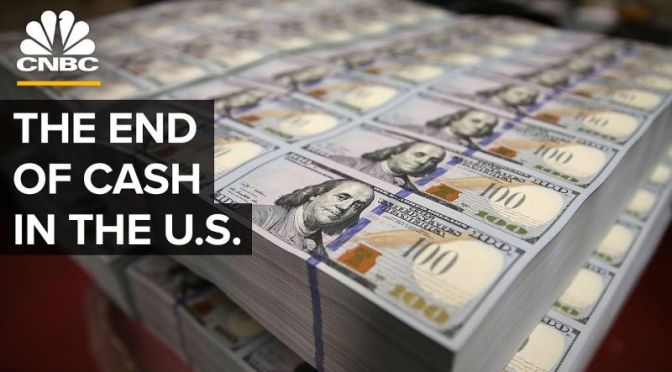
Commerce: ‘Will Digital Payments Replace Cash?’
Is cash still king? The coronavirus pandemic may cause a drastic decline in cash usage due to the risk of contamination. The unprecedented surge in the demand for contactless payment has also shown outstanding performances for major companies offering cashless payment methods, like Apple, Square and Paypal. Could covid-19 signal the end of cash in the United States and can the U.S. really function without physical currency?
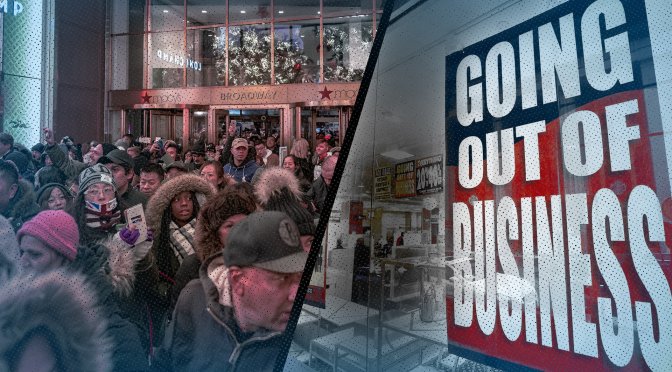
Retail Shopping: ‘How 2020 Is Reshaping Black Friday’
For years, one of the biggest days of the holiday shopping season was Black Friday. But in 2020, that could change. The coronavirus pandemic is fast-tracking big changes in retail that were already underway, pushing consumers into a digital future.
Illustration: Jacob Reynolds/WSJ
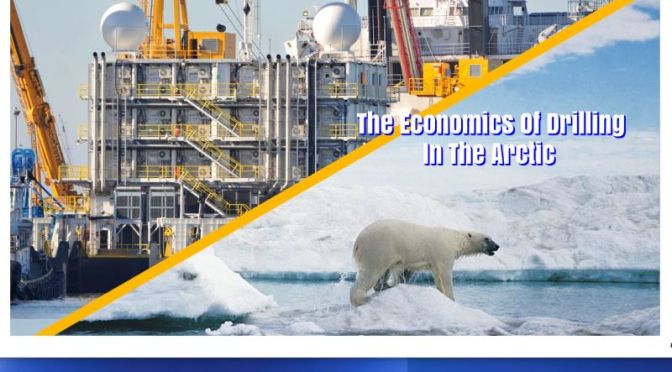
Oil & Climate Change: ‘The Economics Of Drilling In The Arctic’ (CNBC Video)
The Arctic is not a barren, frozen wasteland. It’s home to some of the most unique ecosystems in the world. More than this: it’s home to people. Those people are at the center of the controversy over drilling for oil in the Arctic. The Trump administration is now starting the formal process of selling leases in the Arctic National Wildlife Refuge to oil companies, according to the New York Times. The move comes after the Trump administration opened the refuge for oil drilling in August 2020. There are potentially billions of dollars in untapped oil and gas reserves in the Arctic. But, there is value in keeping the region untouched, too. The Arctic provides more than $281 billion per year in fishing, oil, mineral extraction, tourism and climate stabilization services, according to a preliminary assessment done in 2016 by environmental economist Tanya O’Garra, who worked at the Center for Research on Environmental Decisions at Columbia University at the time the research was conducted.
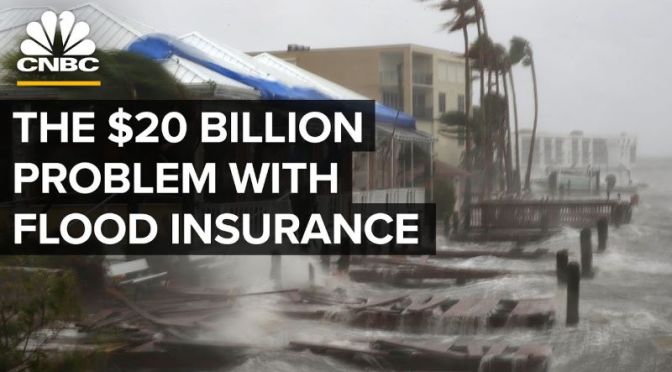
Housing: Flood Insurance Is Spurring Buyers To Live In Dangerous Areas (CNBC)
2020 is officially the busiest hurricane season on record and flooding is one of a storm’s most devastating consequences. FEMA estimates one inch of flood water can cause up to $25,000 in damage. The U.S. began offering nationalize flood insurance in 1968 but the program, called the NFIP, is now over $20 billion in debt. Private companies are starting to offer flood insurance as well. However, flood insurance is more complicated than it may appear. Watch the video to better understand how flood insurance works, and doesn’t work, in the U.S.
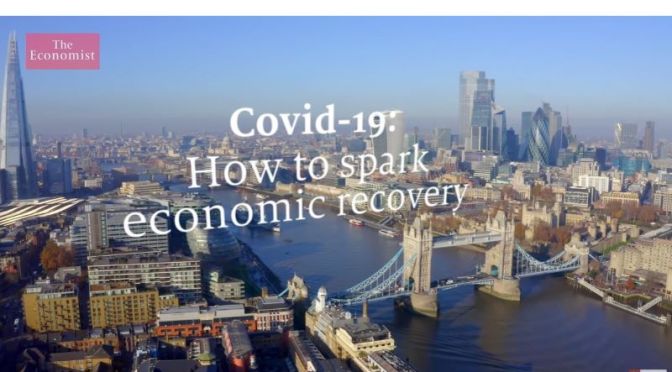
Covid-19: How To Spark Economic Recovery
Governments will have to deal with the economic fallout from the pandemic for decades to come. If they get their response wrong, countries risk economic stagnation and political division.
Read more here: https://econ.st/3ojORKY
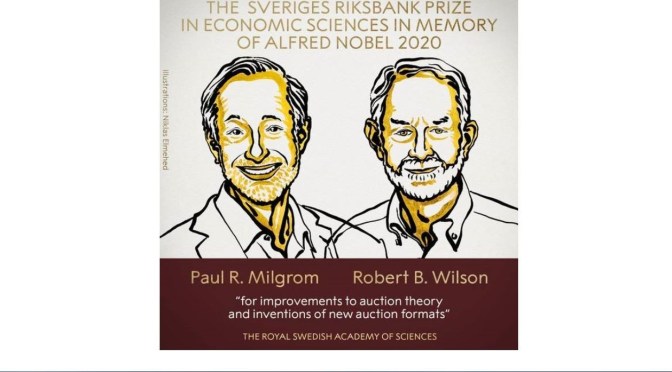
Top Interviews: Paul R. Milgrom & Robert B. Wilson, Nobel Prize In Economics For 2020
“He was the advisor everybody recommended you should have,” says Paul Milgrom of Robert Wilson, his PhD supervisor and now near neighbour in Palo Alto and co-Laureate in Economic Sciences. In this conversation with Adam Smith, recorded 20 minutes after Milgrom had learned of his prize, he describes how it was Wilson who actually delivered the news, in person: “He and his wife just walked over and rang the doorbell.”
Not only are the 2020 Economics Science Laureates long-time collaborators, they are also neighbours in Palo Alto, and so when Robert Wilson heard the news of his prize from Stockholm, he simply crossed the street and knocked on Paul Milgrom’s door to wake him! “It sounds like something from the nineteenth century,” says Wilson in this conversation with Adam Smith, recorded shortly after the news became public. He describes his pride at the fact that Milgrom is the third of his students, after Alvin Roth and Bengt Holmström, to be awarded the prize, a perfect combination of events that he calls his “trifecta”.
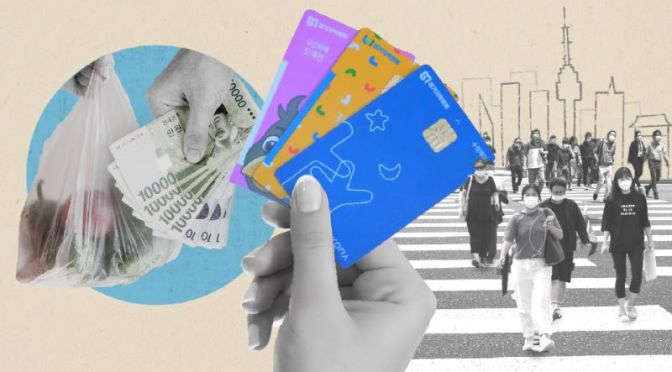
Economics: ‘Universal Basic Income Experiment In South Korea’ (WSJ Video)
To stimulate its pandemic-hit economy, a province in South Korea has been experimenting with universal basic income programs by regularly giving out cash, no questions asked. Now, some politicians want to go national with the concept.
Illustration: Crystal Tai/WSJ
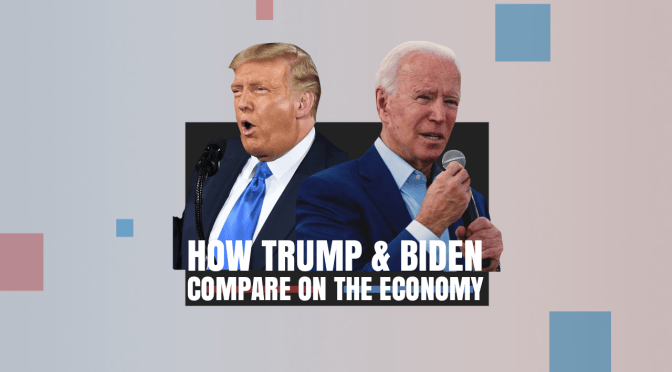
Election 2020: ‘How Trump And Biden Compare on The Economy’ (WSJ Video)
Voters will have a chance to help shape the American economy when they go to the polls in November. WSJ’s Jon Hilsenrath breaks down where President Donald Trump and Democratic presidential nominee Joe Biden stand on key economic issues.
Photo Illustration: Carlos Waters/WSJ
 Intellicurious