When New York City’s Poster House museum had to close its doors in early March, director Julia Knight wondered how the institution could support the city.
Today her inspiring solution can be seen across all five boroughs.
Poster House is the first museum in the United States dedicated exclusively to posters.
Through exhibitions, events, and publications, Poster House presents a global view of posters from their earliest appearance in the late 1800s to their present-day use. Poster House takes its mission from the medium, aiming to engage and educate all audiences as we investigate this large-format graphic design and its public impact.
“Monocle On Culture” speaks to Richard Russell, head of XL Recordings about his brand new book and his incredible career producing records for everyone from Damon Albarn to Bobby Womack, his life in New York that kicked everything off and the unusual start of his collaboration with Gil Scott Heron.
For almost 30 years as label boss, producer and talent conductor at XL Recordings, Richard Russell has discovered, shaped and nurtured the artists who have rewritten the musical dictionary of the 21st century, artists like The Prodigy, The White Stripes, Adele, M.I.A., Dizzee Rascal and Giggs. Growing up in north London in thrall to the raw energy of ’80s US hip hop, Russell emerged as one part of rave outfit Kicks Like a Mule in 1991 at a moment when new technology enabled a truly punk aesthetic on the fledgling free party scene. For most of the ’90s identified with breakbeat and hardcore, Russell’s stewardship at the label was always uncompromising and open to radical influences rather than conventional business decisions.
Liberation Through Hearing tells the remarkable story of XL Recordings and their three decades on the front line of innovation in music; the eclectic chorus of artists who came to define the label’s unique aesthetic and Russell’s own story; his highs and lows steering the fortunes of an independent label in a rapidly changing industry, his celebrated work with Bobby Womack and Gil Scot Heron on their late-career masterpieces; and his own development as a musician in Everything Is Recorded.
Always searching for new sounds and new truths, Liberation Through Hearing is a portrait of a man who believes in the spiritual power of music to change reality. It is also the story of a label that refused to be categorised by genre and in the process cut an idiosyncratic groove which was often underground in feel but mainstream in impact.
The story of the restoration of Sir John Soane’s Museum in Lincoln’s Inn Fields. Filmed over a period of 6 years, it traces the research, the discoveries and the skills that made transforming this magical place possible. This third episode reveals the painstaking work that went into restoring artworks within the Museum, and the legacy of the project.
For years, Silk Road travelers made the grueling trek past towering mountain ranges and ancient cities now lost to time. Centuries later, one writer attempts to retrace the journey.
This year, T’s spring Travel issue is devoted to just five stories, each an account of its writer’s journey along a different section of the Silk Road — the ancient network of trade routes that until the 15th or 16th century spanned some 4,000 miles of the globe, from Central Asia across the Middle East to Southern Europe, and formed a vital conduit for both new commodities and new ideas. While venturing to faraway places might seem like a distant possibility now, a year after this issue began to take shape, as we reckon with the global pandemic, these pieces are a powerful reminder of our innate desire to move and explore.
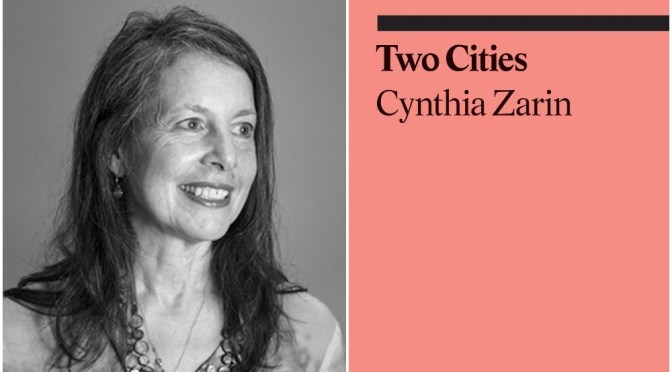
A conversation with the acclaimed poet and New Yorker writer Cynthia Zarin that transports us to two of her favorite cities, Venice and Rome, in a celebration of Italy as the country begins to loosen the longest coronavirus-related lockdown in Europe. The episode features evocative readings from her forthcoming book,Two Cities, which captures the meditative yet constantly surprising nature of travel from a deeply personal point of view.
From acclaimed poet and New Yorker writer Cynthia Zarin comes a deeply personal meditation on two cities, Venice and Rome—each a work of art, both a monument to the past—and on how love and loss shape places and spaces.
Here we encounter a writer deeply engaged with narrative in situ—a traveler moving through beloved streets, sometimes accompanied, sometimes solo. With her, we see, anew, the Venice Biennale, the Lagoon, and San Michele, the island of the dead; the Piazza di Spagna, the Tiber, the view from the Gianicolo; the pigeons at San Marco and the parrots in the Doria Pamphili. As a poet first and foremost, Zarin’s attention to the smallest details, the loveliest gesture, brings Venice and Rome vividly to life for the reader.
The sixteenth book in the expanding, renowned ekphrasis series, Two Cities creates space for these two historic cities to become characters themselves, their relationship to the writer as real as any love affair.
ekphrasis
Dedicated to publishing rare, out-of-print, and newly commissioned texts as accessible paperback volumes the ekphrasis series is part of David Zwirner Books’s ongoing effort to publish new and surprising pieces of writing on visual culture.
Cynthia Zarin
Cynthia Zarin is the author of five books of poetry, most recently, Orbit (2017), as well as five books for children and a collection of essays, An Enlarged Heart: A Personal History (2013). Her honors and awards include a Guggenheim Fellowship for Literature, the Ingram Merrill Award, and the Los Angeles Times Book Prize for Poetry. A longtime contributor to The New Yorker, Zarin teaches at Yale University.
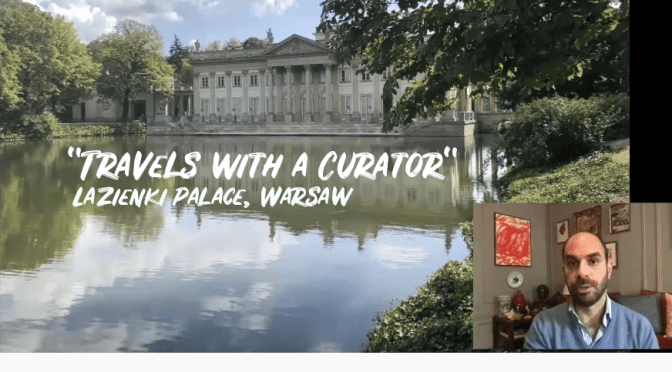
In this episode of “Travels with a Curator,” we travel to Warsaw, Poland, with Xavier F. Salomon, Peter Jay Sharp Chief Curator. Xavier enchants us with the romantic Łazienki Park and Palace, also known as the Palace on the Isle. The idyllic gardens and ornately decorated interior spaces are similar in many ways to our own Frick mansion. One of the Frick’s Rembrandt paintings, “The Polish Rider,” once hung in the royal apartments on the second floor.
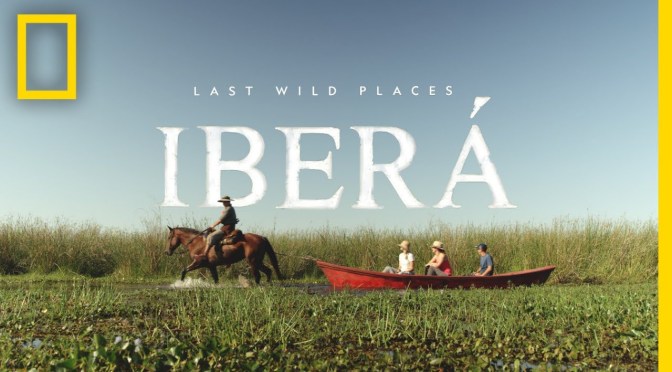
Iberá National Park in northeastern Argentina is part of one of the largest wetlands in South America, but much of its wildlife went extinct in the 20th century due to widespread hunting and habitat loss. Now, a dedicated team of conservationists is working hand in hand with local communities to reintroduce many of the keystone species that were lost, while also helping to preserve the region’s unique cultural heritage.
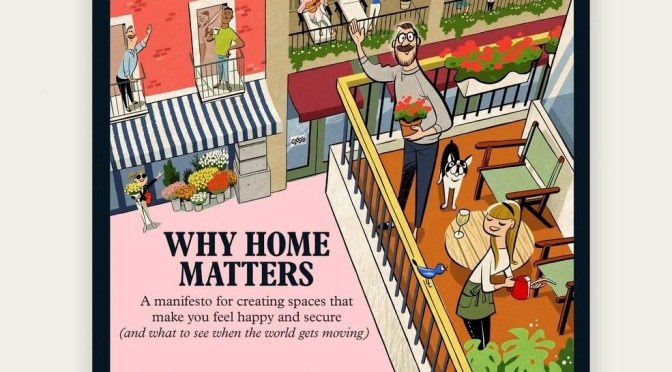
Monocle’s home-focused May issue goes beyond the dramatic headlines to look at how to create spaces that are apt to linger in.
We launch a manifesto for building better, look at the firms eyeing up the domestic market and profile a few elegant residences. Elsewhere, we examine the importance of keeping manufacturing onshore, decode the US political advertising industry and recommend the best media to hunker down with.
With such names as ‘Paradise’ and ‘Super Paradise,’ the sands of these shores have captured the imaginations and hearts of industry titans, artists, and party-goers alike from all around the globe, marking it as a stable cosmopolitan destination and as a paramount it haven on the jet-set circuit.
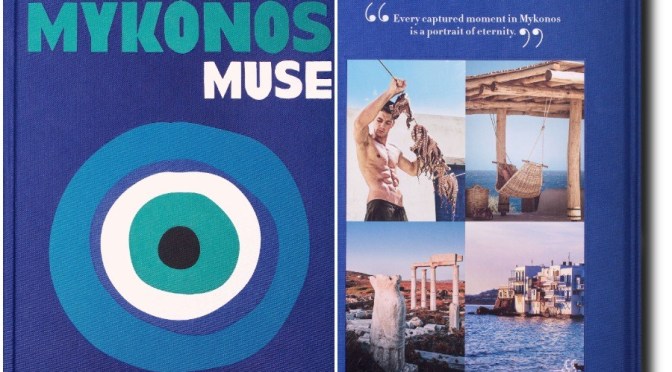
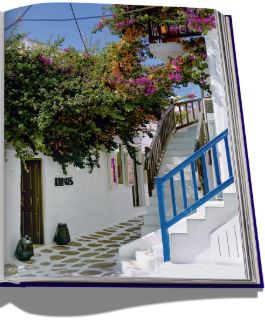
Located in the Cyclades and surrounded by the blue-green water of the Aegean sits whitewashed, windmill-strewn Mykonos, the island of the winds. This ancient island and those surrounding it, mythologized as the bodies of gods felled by Hercules in the time of antiquity, are older than legend and have played host to countless cultures for more than millennia. At forty-square-miles and boasting a population of only ten-thousand, the ‘Ibiza of Greece’ has become prized for gorgeous architecture, welcoming and open-minded locals, and fantastic beaches.
This book chronicles the culture and society that has defined Mykonos over the past century—from its days as a hideout for such luminaries and elites as Le Corbusier and Antonis Benakis, to its moment as a sanctuary for the gay community,to its predominant party scene—all the while indulging the reader with the ruins and myths hidden there.
Lizy Manola is a Greek photographer. A freelancer, her focus is on documentary photography. For more than fifteen years, she has traveled and shot in distant places, where culture and everyday life preserve their natural authenticity. She has published two books with Assouline, Certain Realities and Ethiopian Highlands. Her work has featured in solo and group exhibitions in Greece and worldwide. She lives and works in Athens and New York. Thirty years ago, she bought a house on Mykonos; she has spent endless summers holidays on the island ever since.

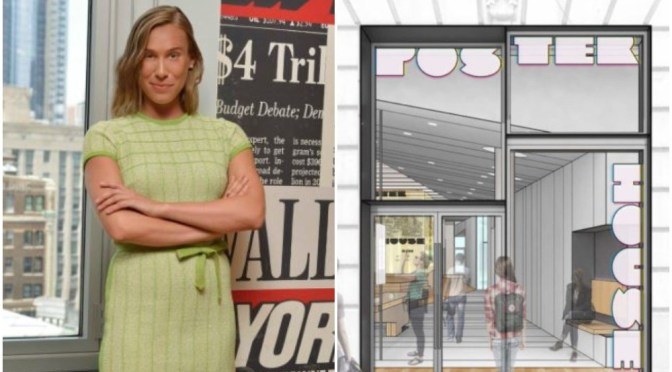
 When New York City’s Poster House museum had to close its doors in early March, director Julia Knight wondered how the institution could support the city.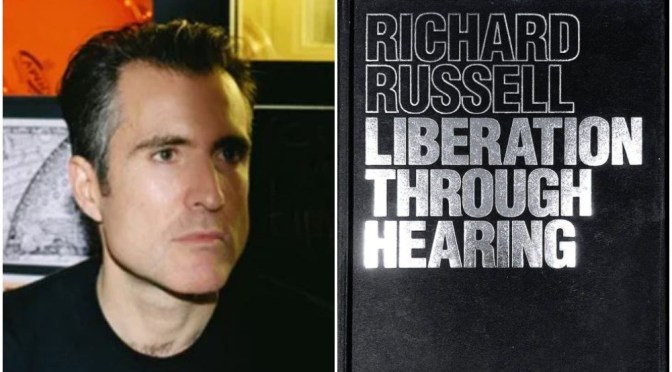
 “Monocle On Culture” speaks to Richard Russell, head of XL Recordings about his brand new book and his incredible career producing records for everyone from Damon Albarn to Bobby Womack, his life in New York that kicked everything off and the unusual start of his collaboration with Gil Scott Heron.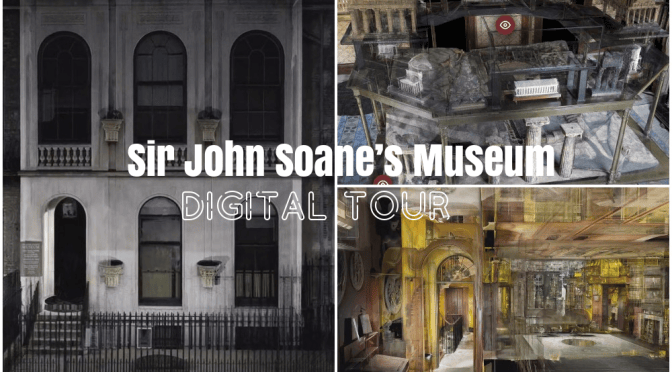
 The story of the restoration of Sir John Soane’s Museum in Lincoln’s Inn Fields. Filmed over a period of 6 years, it traces the research, the discoveries and the skills that made transforming this magical place possible. This third episode reveals the painstaking work that went into restoring artworks within the Museum, and the legacy of the project.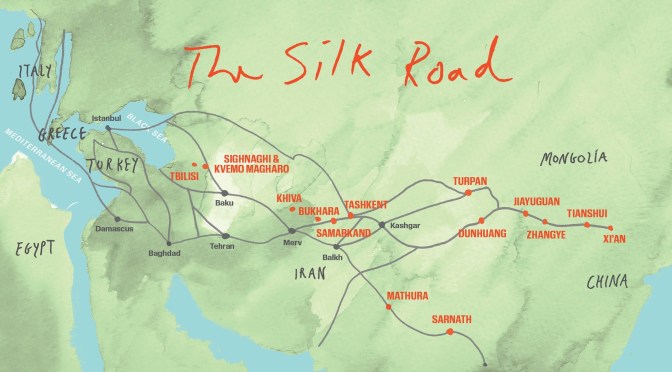

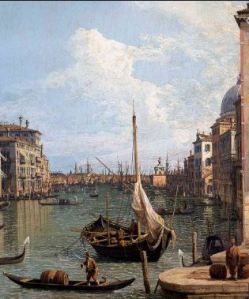 A conversation with the acclaimed poet and New Yorker writer Cynthia Zarin that transports us to two of her favorite cities, Venice and Rome, in a celebration of Italy as the country begins to loosen the longest coronavirus-related lockdown in Europe. The episode features evocative readings from her forthcoming book,Two Cities, which captures the meditative yet constantly surprising nature of travel from a deeply personal point of view.
 With such names as ‘Paradise’ and ‘Super Paradise,’ the sands of these shores have captured the imaginations and hearts of industry titans, artists, and party-goers alike from all around the globe, marking it as a stable cosmopolitan destination and as a paramount it haven on the jet-set circuit.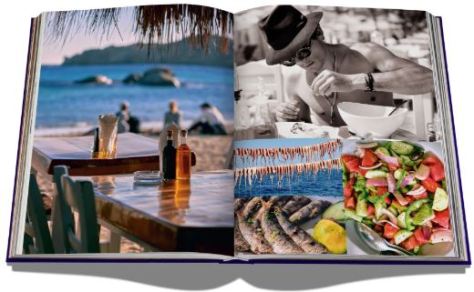
 Intellicurious