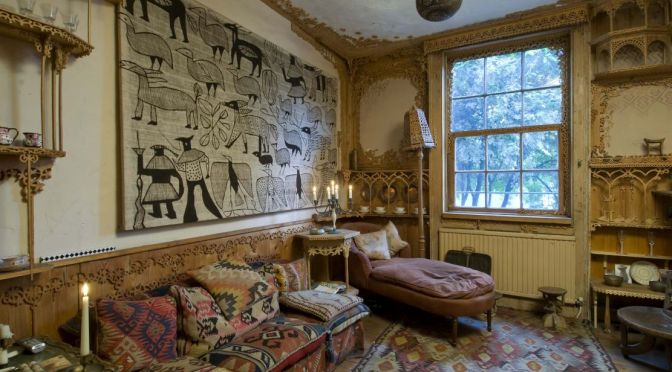
National Trust (October 18, 2023) – 575 Wandsworth Road, London, was the home of Khadami Asalache – a Kenyan-born poet, novelist and British civil servant. Asalache spent 19 years transforming its interiors with hand-carved fretwork patterns and painted motifs inspired by traditional African houses and Moorish and Ottoman architecture.
Following his death in 2006, Asalache left 575 Wandsworth Road to the National Trust, which was first opened to the public in 2013. Today, his home has become a source of inspiration for collaborators, creatives and artists of all ages, forging social connections within its community and beyond. Watch this video to discover the inspirational qualities of Khadambi Asalache’s creations at 575 Wandsworth Road.
Hear from three creative artists who recently returned to the house to reflect on their own connections to this place. They also discuss the impact it has on their own work and their thoughts around home and legacy.
“I have searched everywhere for the city of dreams,” he wrote after wandering far from Paris to overcome writers’ block, “and found it here, in Ronda.”
German poet Rainer Maria Rilke (1913)
The Times and The Sunday Times (October 15, 2023) – Walking in the footsteps of poets on a new cultural trip, James Stewart takes a wander from Ronda and gets spectacular scenery and ancient traditions all to himself.
Rupit
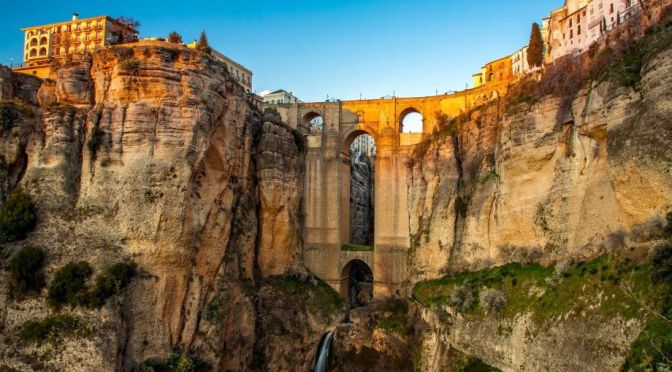
Teetering at the edge of the Tajo river gorge, Ronda, 90 minutes’ drive west from Malaga, remains the most spectacular urban setting in Europe. Its cat’s cradle of white streets is haunted by the ghosts of Moorish princes, soundtracked by the strum of guitars and the tinkle of fountains.
The Sierra de Grazalema Natural Park
If you’re in the mood for romance, nowhere in Spain comes close, Ernest Hemingway reckoned. He’s still right, so long as you’re happy to share your precious moment with massed day-trippers from the Costa del Sol. Expect visitor numbers to grow again when a £1.1 million suspended gorge walk, the Camino del Desfiladero del Tajo designed by the architect behind Malaga’s Caminito del Rey, opens later this year.
Even so, what everyone is really coming to Ronda for – to inland Andalusia – is Old Spain. You won’t find it written on signposts but, like the crackle of duende during a flamenco concert, you’ll know it when you experience it. It’s the country of pueblos blancos and half-remembered battles and scenery of savage beauty; the one that attracted Grand Tour visitors such as Disraeli and Irving long before anyone had thought of the Costa del Sol.
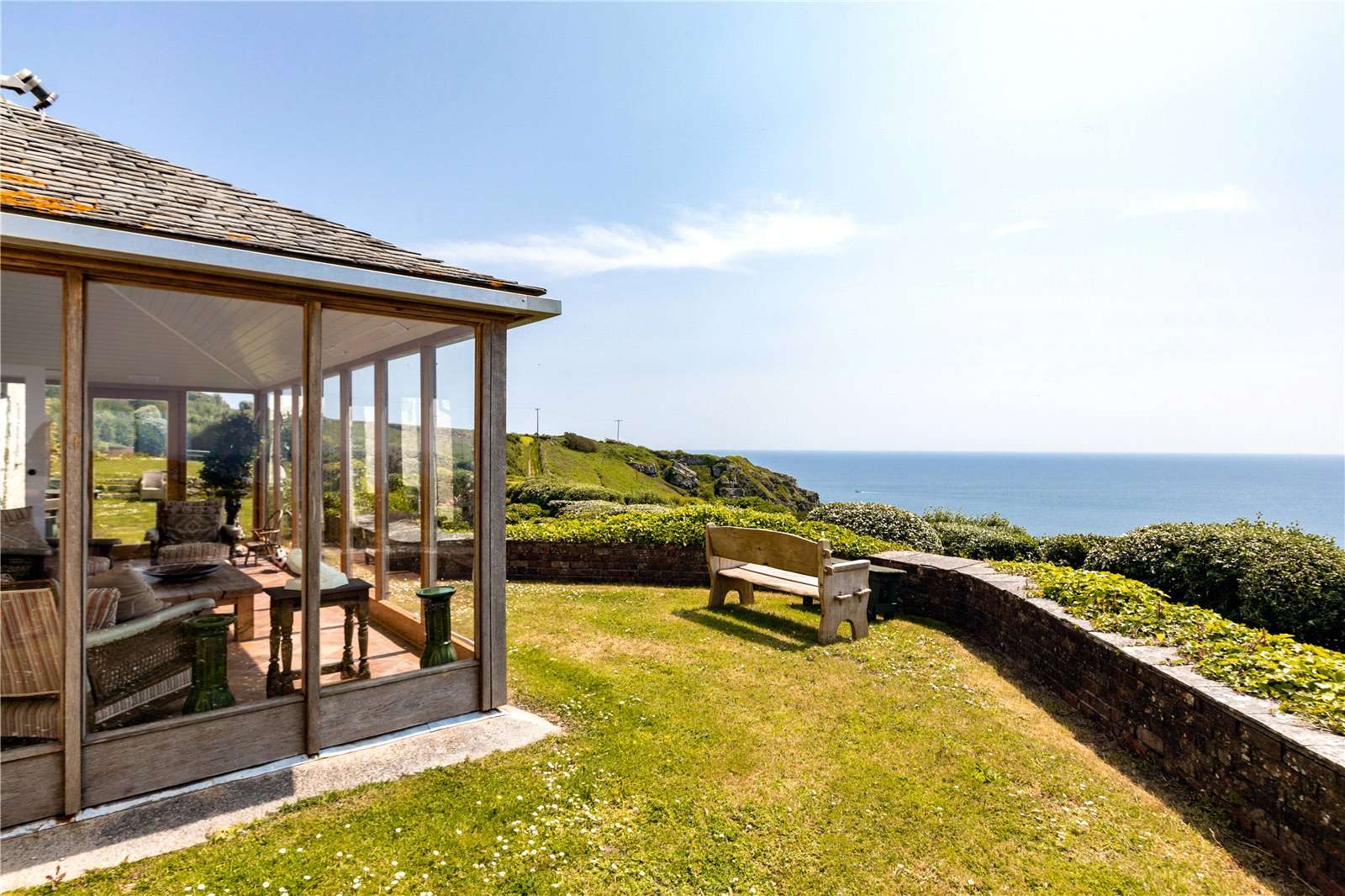
Country Life Magazine (September 15, 2023) – The writer John le Carré‘s impossibly romantic house has come to the market, set in a position as dramatic as anything to be seen in fiction.
In the late 1960s, the author John le Carré (born David Cornwell, but forbidden from writing under his own name when employed by MI5 and MI6) was staying with an old friend, the Cornish artist John Miller. Miller lived in a house in West Penwith in Cornwall’s far west, on a sparsely populated peninsula ringed by high cliffs and surrounded on three sides by the Atlantic Ocean.
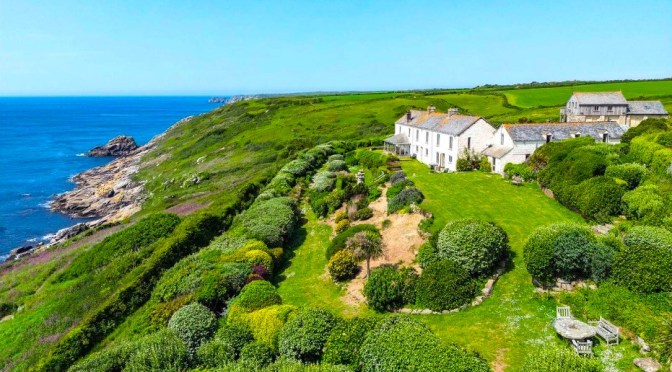
One day, when walking along the cliffs at Tregiffian, near the village of St Buryan, le Carré passed three derelict fisherman’s cottages and a barn overlooking the coast between St Loy and Lamorna. He fell in love with the place.
Armed with the proceeds of The Spy Who Came in From The Cold (1963), the second of his bestselling espionage novels set against the backdrop of the Cold War, le Carré tracked down the owner of the property, a local farmer, and bought the cottages, together with 27 acres of land, including a mile of coastline, much of which he later donated to the National Trust.
Over the years, le Carré and his wife, Jane, restored and adapted the cottages and outbuildings into the comfortable, but unpretentious coastal retreat that was to be their family home for more than 40 years, until his death, from pneumonia, in December 2020. Jane died from cancer two months later, in February 2021.
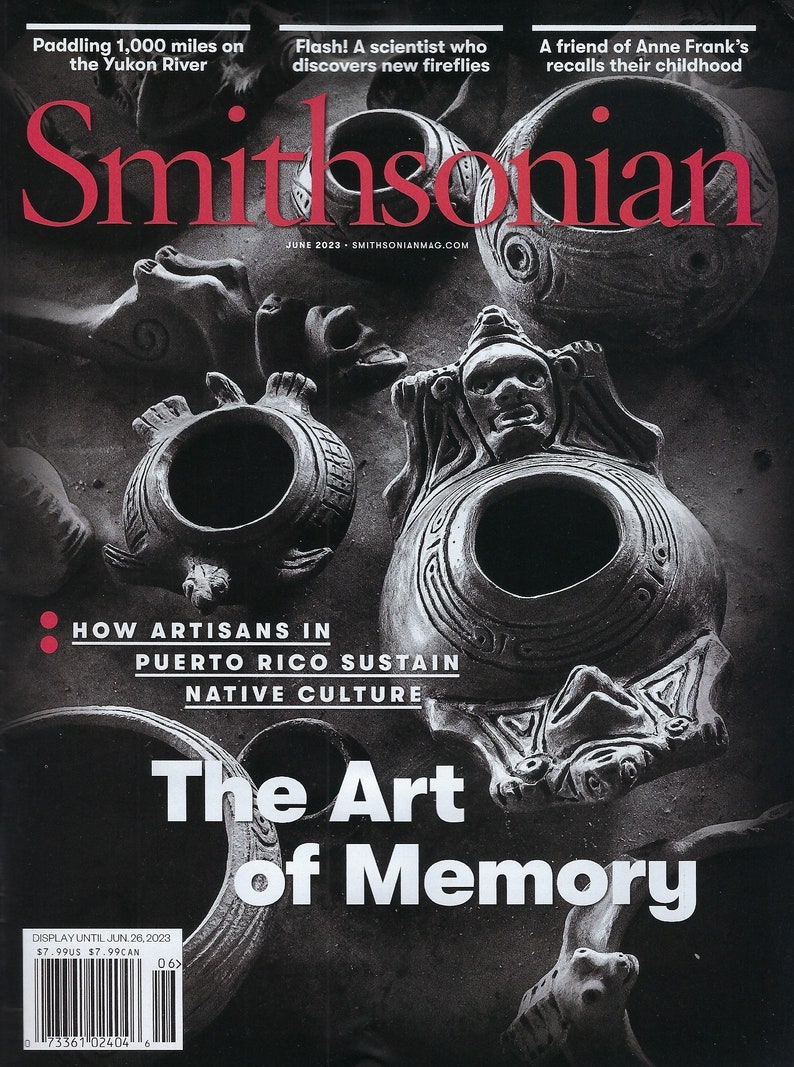
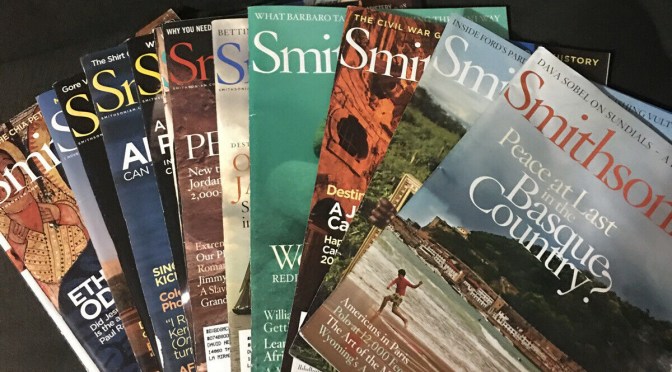
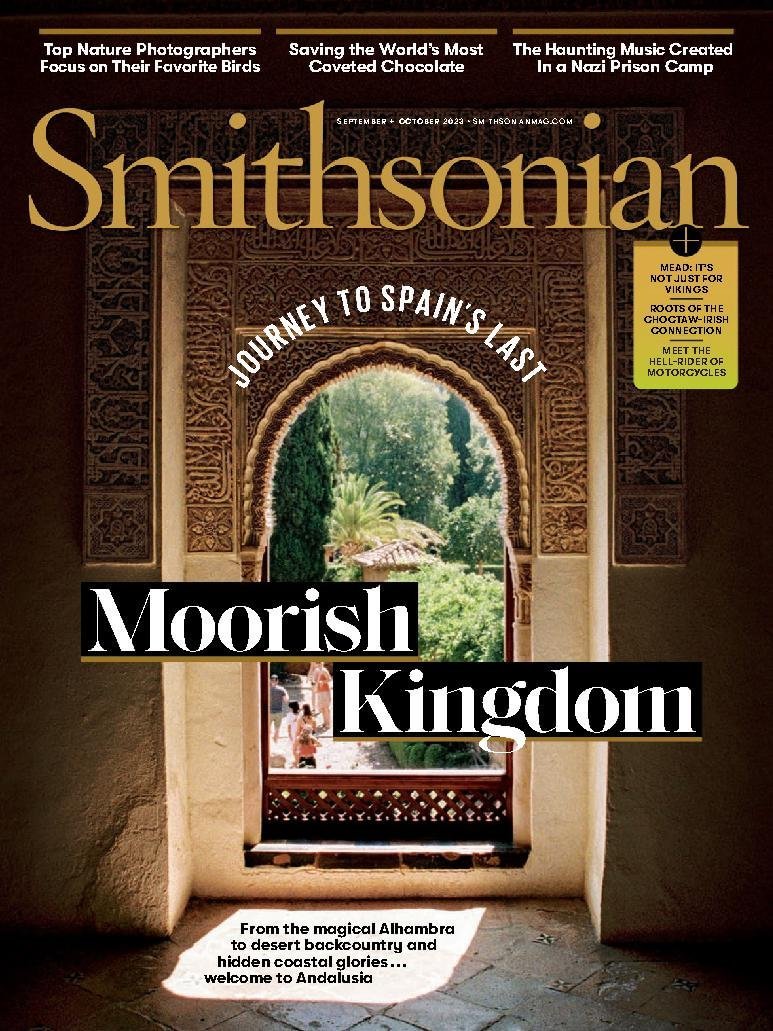
Smithsonian Magazine (September/October Issue) – Journey to Spain’s last Moorish Kingdom – From the magical Alhambra to desert backcountry and hidden coastal glories…welcome to Andalusia; Saving the world’s most coveted Chocolate; Mead – it’s not just for Vikings, and more…
Ötzi, the 5,300-year-old mummy found murdered high in the Alps with an arrow in his back, is a prehistoric celebrity who attracts 300,000 visitors a year to his custom cooling chamber in the South Tyrol Museum of Archaeology in Bolzano, Italy. Years of studies have revealed much about the Iceman, from his last meal—dried ibex and deer meat with einkorn wheat—to the distant Tuscan origins of his copper ax. But while the wizened mummy is extraordinarily well preserved for its age, it gives little impression of how Ötzi would have appeared in life. Now, a detailed genetic study has revealed much more about what the Iceman looked like—and traces the Copper Age corpse’s ancestral lineage back to Anatolia, an area that is now the Asian portion of Turkey.
Scientists have newly sequenced Ötzi’s genome a decade after an earlier effort, using modern techniques and comparative data to produce a much higher-quality result than ever before. The study published Wednesday in Cell Genomics reveals that Ötzi had dark eyes and skin pigmentation darker than that commonly seen among modern inhabitants of Greece or Sicily, though he’s previously been depicted with lighter skin more akin to that of Europeans living in the Alps today. And contrary to most artists’ interpretations, it also appears that he suffered from an age-old affliction still troublesome today—he was going bald.
Smithsonian Magazine – July/August Issue: American Tapestries- Three artists creating bold new versions of a cherished art form; In search of Willa Cather; Archaeology of the world’s oldest village, and more…
Arresting portraits, now a part of the Smithsonian collections, illuminate the little-known role these artists played in chronicling 19th-century life
“Before daguerreotypes, if you wanted a portrait made, you commissioned a painter,” says John Jacob, SAAM’s director of photography, as we study Rhoda’s portrait. “Photography democratized portraiture because it was significantly cheaper. But until we acquired these images, we weren’t able to show in our collection that African Americans were part of this process, as photographers and subjects, and also as entrepreneurs and innovators, experimenting with the latest technology and investing in it.”
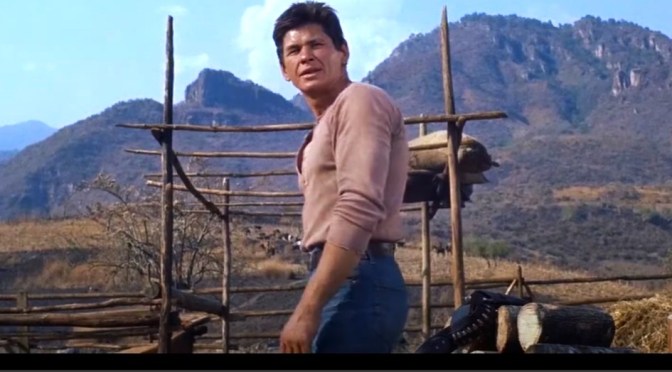
MGM STUDIOS (May 20, 2023) – A compilation showcasing some of Burt Lancaster’s best on-screen moments including:
Valdez is Coming (1971)
Judgment at Nuremberg (1961)
Birdman of Alcatraz (1962)
Sweet Smell of Success (1957)
Separate Tables (1958)
Run Silent, Run Deep (1958)
Burton Stephen Lancaster was an American actor and producer. Initially known for playing tough guys with a tender heart, he went on to achieve success with more complex, and challenging roles over a 45-year career in films and television series.
He famously captured industrial America—the Brooklyn Bridge, Pittsburgh’s steel mills—with his monumental canvases. But the painter Joseph Stella (1877-1946) looked to nature for respite, escaping his Manhattan studio to visit the New York Botanical Garden and to paint in southern Italy, where he grew up. “My devout wish,” the artist wrote, “[is] that my every working day might begin and end—as a good omen—with the light, gay painting of a flower.”









 MGM



 TIME