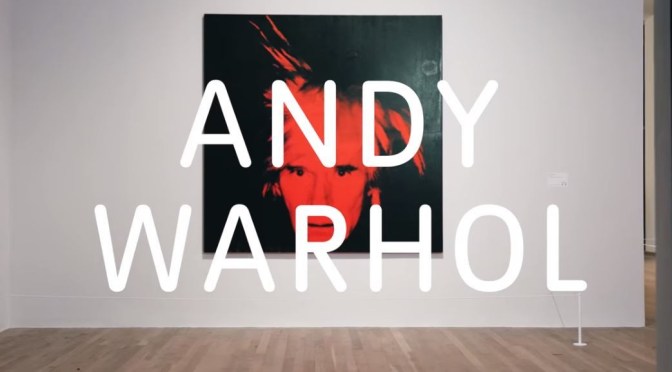
Although our galleries are temporarily closed we wanted to share the Andy Warhol exhibition at Tate Modern with you. Join Tate curators Gregor Muir and Fiontán Moran as they discuss Warhol through the lens of the immigrant story, his LGBTQI identity and concerns with death and religion.
Meet the man behind the brand. It’s a Warhol you might not know, with some artworks you may not have seen before.
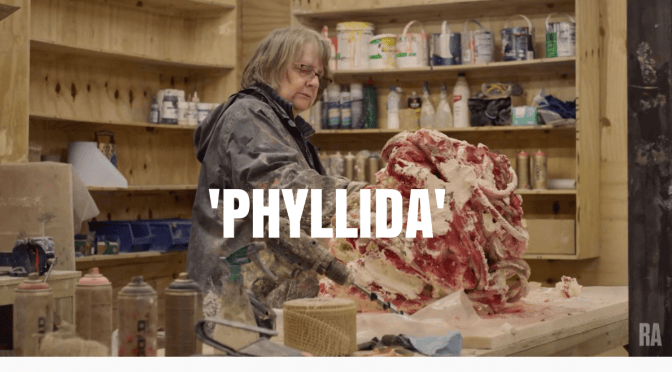
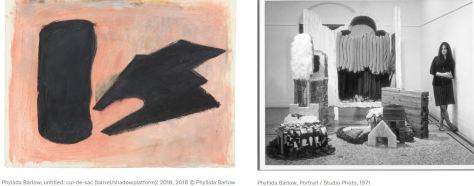
This documentary is an intimate portrait of British sculptor Phyllida Barlow during her preparation for the major survey ‘cul-de-sac’ at the Royal Academy last year. Directed by Cosima Spender, this film maps the roots of Barlow’s oeuvre, as she revisits childhood memories, domestic and urban spaces, and their subsequent role in her creative process.
Phyllida Barlow began studying at Chelsea College of Art in 1960, and went on to study and teach at Slade School of Art for more than twenty years, becoming Emerita Professor in 2009. She was elected a Royal Academician in 2011, and represented Great Britain in the 2017 Venice Biennale, where she created the ambitious installation, ‘folly’.
Watch this evolution and the artist’s influences in ‘PHYLLIDA’. ‘I want the work to be traversed in a way that your memory of it is tested, so that you keep forgetting what you’ve seen’, Barlow explains, ‘I think that is the nature of sculpture – not something that can be held as a whole image in your head, only as fragments… The spaces, the silences in between, are as much a component of the work as the thing itself.”
‘PHYLLIDA’ is produced by Hauser & Wirth, in association with Third Channel and Peacock Pictures.
“God wants, Man dreams, work is born”
Fernando Pessoa
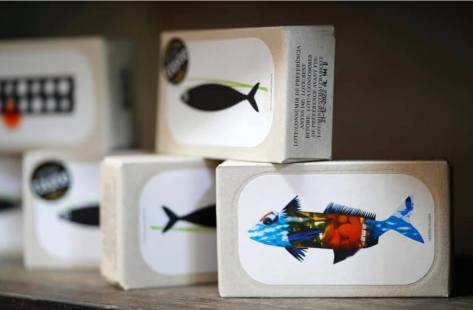
Jose Gourmet combs the coasts of Portugal and Spain to find seafood of distinction. They believe in the principles of fair trade, often paying in advance and never negotiating for better pricing. The artwork of Luis Mendonça on the packaging is meant to pay homage to the these fishermen and canneries who rely on manpower and life long dedication to their trade.
Adriano Casal Ribeiro, aircraft pilot, dreamed! The work was born!
JOSE Gourmet was born when Adriano Casal Ribeiro, lived in Macau and dreamed of Portuguese delicacies that he was unable to buy.
Portugal lived written in markets of longing, without shine, and ACR dreamed of selling our country on the front line. Together with his wife, Sofia Almeida Santos, flight attendant, a designer friend, Luís Mendonça, reinvented the iconic products of Portugal!
Canned foods, olive oils, jams, Port wine, cherry and brandy. They chose the best producers in Portugal, encouraged good fair trade practices and created very attractive and sophisticated packaging to sell the best we produce.
They are passionate about human nature and their ability to create, cooperate and involve a society that aims to be more attentive, sustainable, diverse and socially responsible. That was how JOSE GOURMET was born!
Edward Hopper’s world-famous, instantly recognizable paintings articulate an idiosyncratic view of modern life, unfolding in a world of lonely lighthouses, gas stations, movie theaters, bars and hotel rooms. With his impressive subjects, independent pictorial vocabulary and virtuoso play of colors, Hopper’s work continues to this day to color our memory and imaginary of the United States in the first half of the 20th century.
A fresh look at Hopper’s iconic vision of the American landscape—its gas stations, diners and highways.
Hopper began his career as an illustrator and became famous around the globe for his oil paintings. These paintings testify to the artist’s great interest in the effects of color and his mastery in depicting light and shadow, at work whether the artist was painting alienated figures in dreamlike interiors or desolate American landscapes.
Edward Hopper: A New Perspective on Landscape is published to accompany a major exhibition at the Fondation Beyeler of Hopper’s iconic images of the vast American landscape. The catalog gathers together paintings, watercolors and drawings made by the artist between the 1910s and the 1960s, and supplements them with essays by Erika Doss, David Lubin and Katharina Rüppell, focused on the subject of depicting the landscape.
Edward Hopper (1882–1967) was the master of American Realism. His paintings captured the mood and atmosphere of his era. His style of painting and subject matter became the stylistic foundation for a distinct type of American modernism. A source of inspiration for countless painters, photographers and filmmakers, Hopper’s body of work continues to be influential to this day.
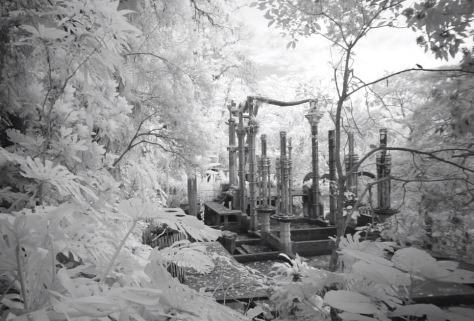
Edward James, a rich eccentric and patron of artists Salvador Dali and Rene Magritte, built a surreal sculpture park in the jungles of the Sierra Gorda in Xilitla, Mexico. The project took 35 years, spreads over 80 acres, and is accessible to the public. This piece is filmed in black & white infrared, a technique that reacts to heat as well as visible light.
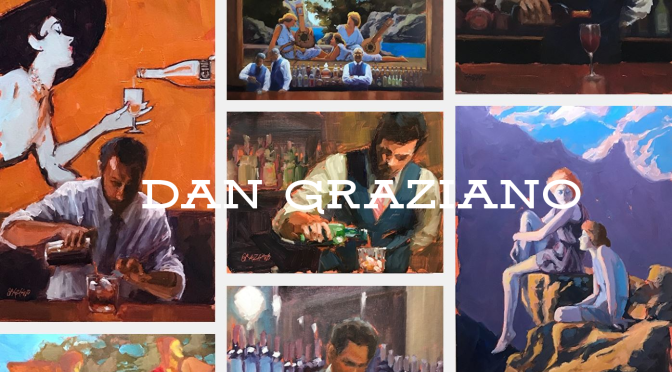
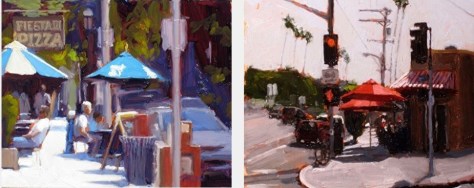
“In my paintings, I try to capture the hidden beauty found in the unexpected places and fleeting moments of everyday life. I continue to be intrigued by the urban landscapes of inner cities – their active streets, time worn buildings and multiple layers of decay, renewal and adaptation – that proudly display the effects of age and use, which I see as testaments to strength, character and authenticity in contrast with modern society’s demand for newness, imitation, disposability and easy duplication.
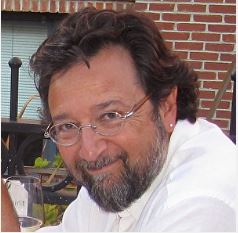
Dan Graziano is an award winning, nationally exhibited artist whose paintings capture the hidden beauty found in the unexpected places and fleeting moments of everyday life. Incorporating dramatic light, shadow, color and perspective, his compositions feature a diversity of subjects – from a simple still life to rugged coastlines, active urban life, lively cafes and bars, small rural towns and forgotten roadside relics. His work has been featured in numerous publications and is in the collections of private and corporate collectors throughout the world.
His artistic vision began taking shape in the 60’s, during America’s explosive political, cultural and artistic awakening. His first formal training focused on advertising and illustration, but a career opportunity in architecture and urban planning altered his original direction.
When he returned to painting, he was drawn to the rich complexity of the urban landscape – inspired by Edward Hopper and other urbanist painters. As an accomplished blues guitarist (his other great passion), he found the city streets, time worn buildings and multiple layers of decay and repair a visual parallel to the spirit and culture of the music.
“My work is influenced by the American realists such as Sargent, Hopper and the three generations of Wyeths along with California painters Wayne Thiebaud and Richard Diebenkorn.”
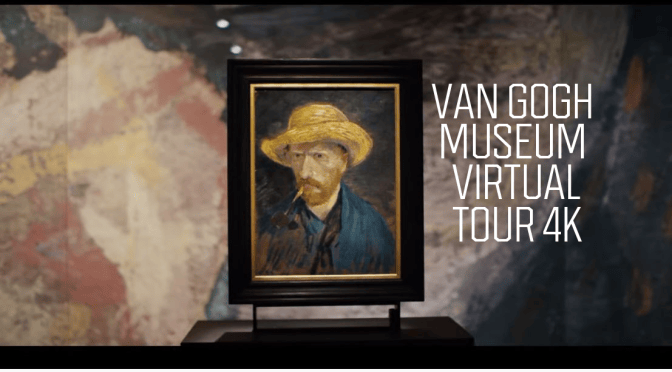
Van Gogh Museum Tour in 4K. Have you always wanted to be alone in the Van Gogh Museum? Step into Vincent’s world and enjoy the private video tour. Episode 4: Van Gogh Museum Amsterdam.
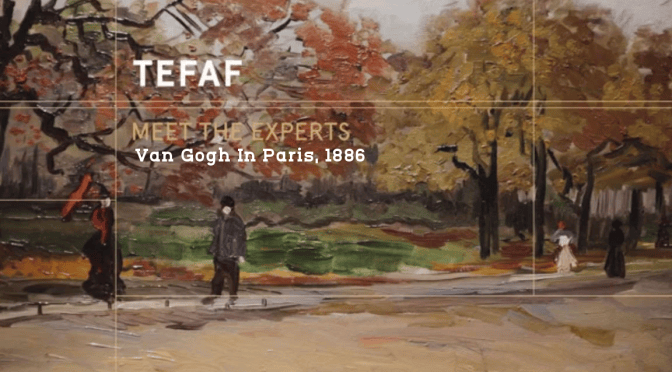
TEFAF’s Meet the Experts presents Howard Shaw from Hammer Gallery shares what Van Gogh would have most likely seen when he visited Paris in 1886. This period of Van Gogh’s life is pivotal to his works as an artist.
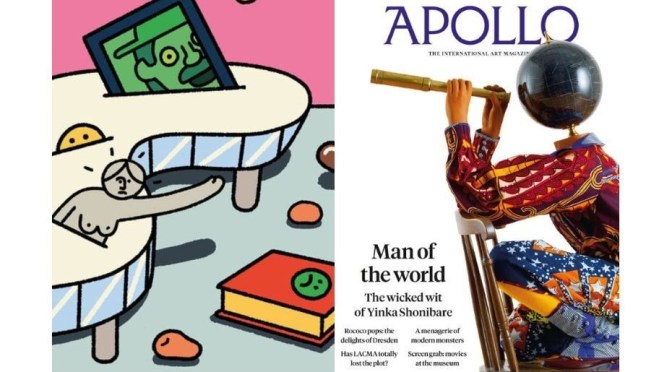
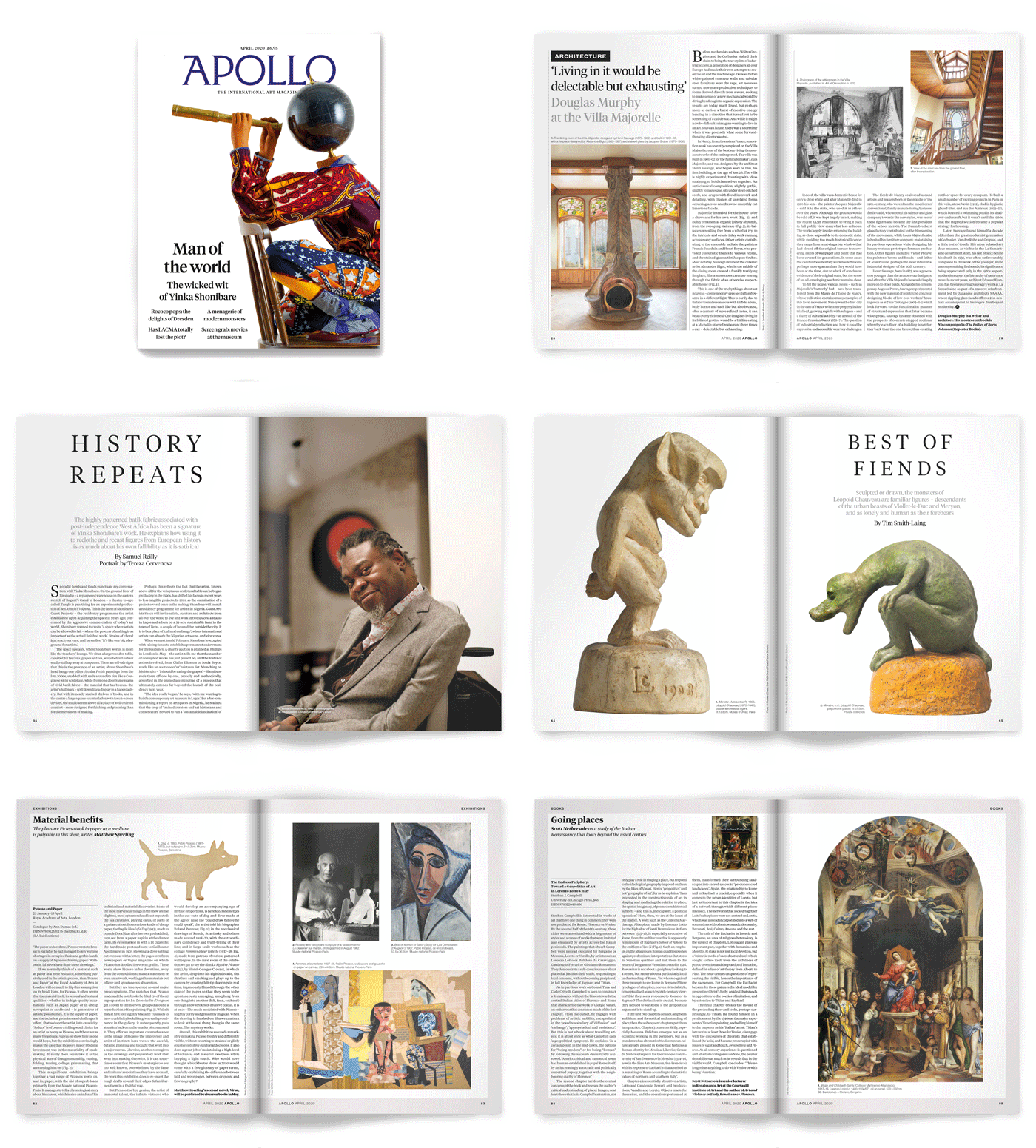
FEATURES | Michael Prodger visits the newly resplendent Gemäldegalerie Alte Meister in Dresden; Yinka Shonibare talks to Samuel Reilly; Seamus Perry considers the visual qualities of Wordsworth’s poems; Tim Smith-Laing on the modern monsters of Léopold Chauveau; Emilie Bickerton looks at how museums tackle the subject of cinema; Christopher Turner talks to Grażyna Kulczyk, founder of the Muzeum Susch
REVIEWS | Matthew Sperling on Picasso’s works on paper at the Royal Academy; Nicholas Hatfull on Edward Hopper at the Fondation Beyeler; Scott Nethersole on Renaissance art in the regions of Italy; Alan Powers on the life of Humphrey Stone; Max Norman on a new study of Poussin; Peter Parker on John Minton’s illustrations for Elizabeth David’s cookery books
MARKET | Tim Maxwell and Tamara Bell on cybersecurity; and the latest art market columns from Susan Moore and Emma Crichton-Miller
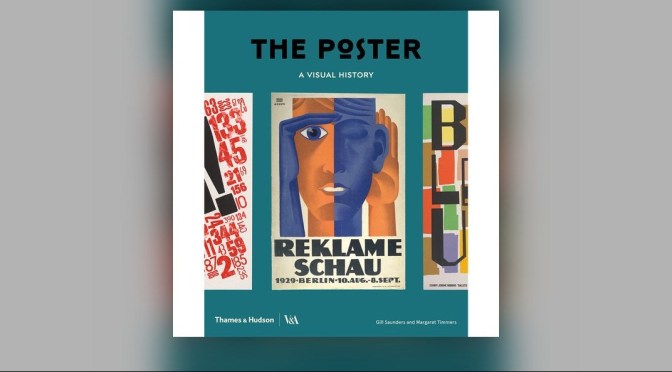
Monocle 24 speaks with Gill Saunders and Margaret Timmers about their upcoming book ‘The Poster’ from Thames & Hudson in partnership with the V&A.
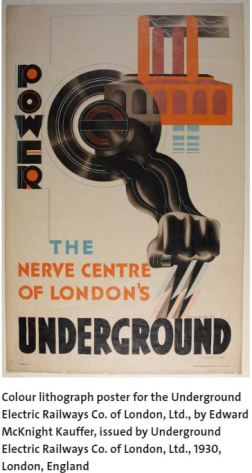
Featuring posters from the world-class collection of the Victoria and Albert Museum, this book is the perfect resource for all those who appreciate one of the most popular art forms.
Even in the digital age, the printed poster has continued to be one of the most influential and well-loved ways of informing and entertaining audiences. A powerful means of mass communication, posters are an invaluable resource for understanding the time periods in which they were produced and distributed and have often played key roles in shaping society.
Organized into seven thematic chapters, The Poster brings together more than 300 examples that offer a comprehensive history of the poster as a medium that has been used to share, sell, or incite political and social change. The text traces the poster through innovations in design, illustration, typography, and printing, as well as movements in art, including Art Nouveau, modernism, Art Deco, psychedelia, and punk.
Featuring works by A. M. Cassandre, Henri de Toulouse-Lautrec, Alphonse Mucha, Milton Glaser, Paula Scher, and Peter Gee, and many more, this book is an essential resource for graphic designers, illustrators, and anyone interested in social and political history.

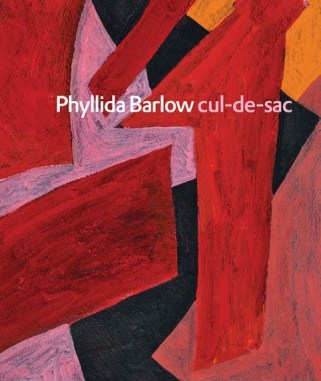 year. Directed by Cosima Spender, this film maps the roots of Barlow’s oeuvre, as she revisits childhood memories, domestic and urban spaces, and their subsequent role in her creative process.

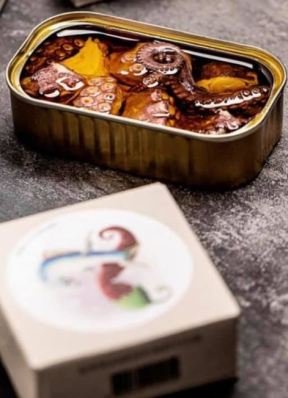 Jose Gourmet combs the coasts of Portugal and Spain to find seafood of distinction. They believe in the principles of fair trade, often paying in advance and never negotiating for better pricing. The artwork of Luis Mendonça on the packaging is meant to pay homage to the these fishermen and canneries who rely on manpower and life long dedication to their trade.

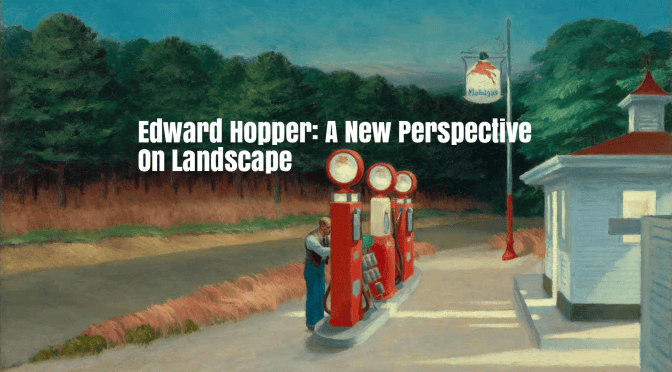
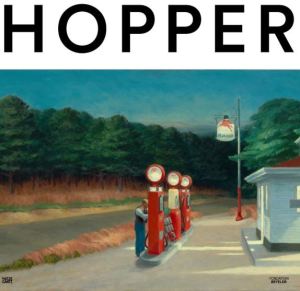 Edward Hopper’s world-famous, instantly recognizable paintings articulate an idiosyncratic view of modern life, unfolding in a world of lonely lighthouses, gas stations, movie theaters, bars and hotel rooms. With his impressive subjects, independent pictorial vocabulary and virtuoso play of colors, Hopper’s work continues to this day to color our memory and imaginary of the United States in the first half of the 20th century.
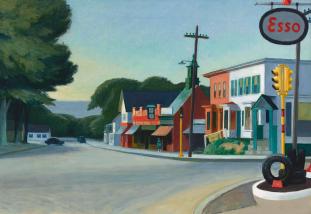 oil paintings. These paintings testify to the artist’s great interest in the effects of color and his mastery in depicting light and shadow, at work whether the artist was painting alienated figures in dreamlike interiors or desolate American landscapes.
 Monocle 24 speaks with Gill Saunders and Margaret Timmers about their upcoming book ‘The Poster’ from Thames & Hudson in partnership with the V&A.
 Museum, this book is the perfect resource for all those who appreciate one of the most popular art forms.

