

From Christie’s Magazine (June 4, 2020):
The Tokugawa dynasty would rule until 1868, and the era became known as the Edo period…It was a time of peace and prosperity, and the arts flourished. Particularly splendid were the ukiyo-e (‘woodblock prints’) — works known for their unusual viewpoints, abrupt cropping, exquisite stylisation, and patches of vivid, unshaded colour.
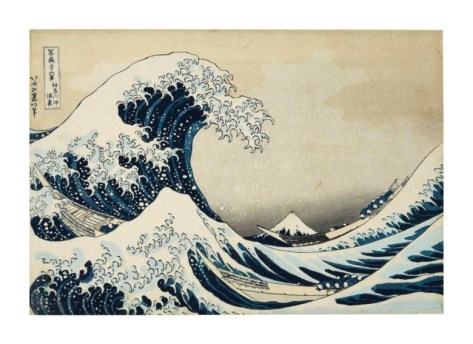
‘Kitagawa Utamaro (1753-1806), Katsushika Hokusai (1760-1849) and Utagawa Hiroshige (1797-1858) belong in the pantheon of all-time great artists,’ says Anastasia von Seibold, senior specialist in Japanese Art at Christie’s.
The introduction of colour: nishiki-e
Printing in more than one colour was tricky: it wasn’t until the 1740s that green and pink were tentatively introduced. A huge breakthrough came in 1765, when Suzuki Harunobu (1724-1770) mastered a process that accommodated an array of colours.
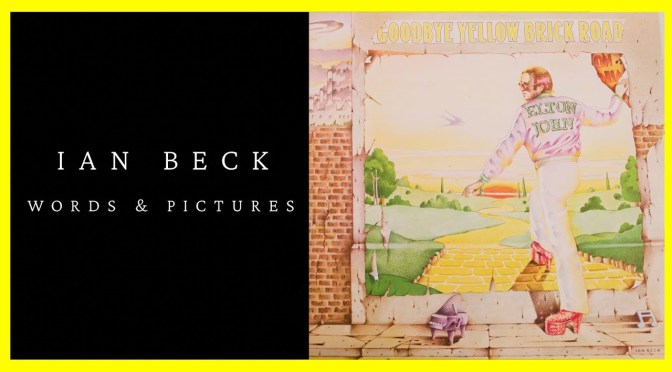
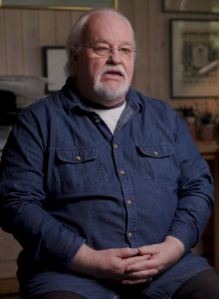 Short documentary film about Author, illustrator Ian Beck. A brief look at his life and where he works. Included are, his inspirations from childhood reading, the making of the artwork for Elton John’s 1973 album ‘Goodbye Yellow Brick Road’ and his current project in collaboration with Philip Pullman (His Dark Materials) creating a Myriorama.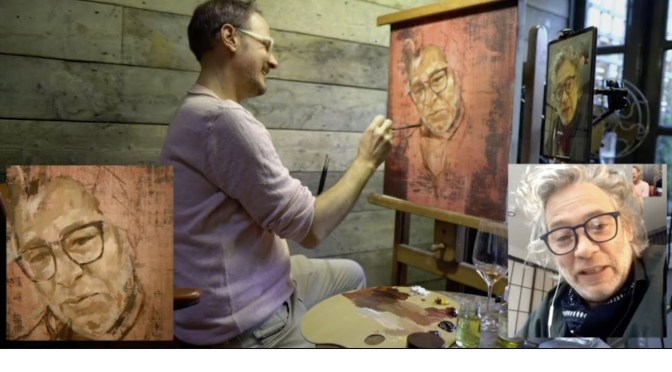
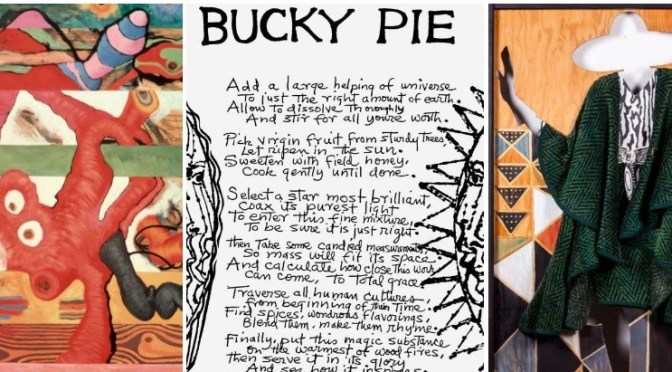
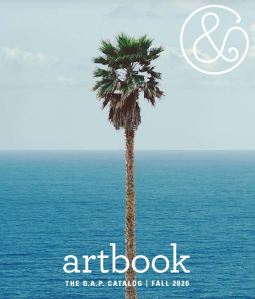 “We are proud to announce the Fall 2020 Artbook | D.A.P. Catalog of new books on art and culture.”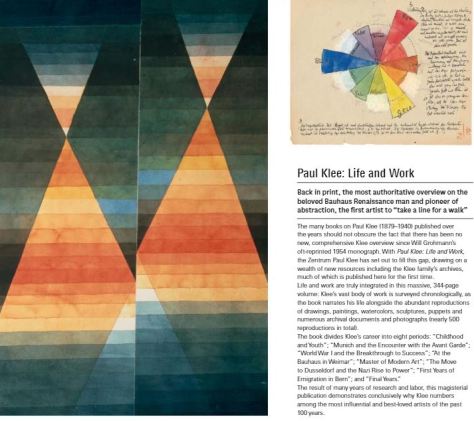

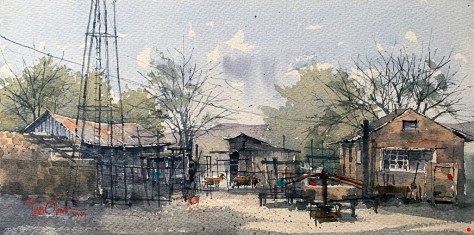
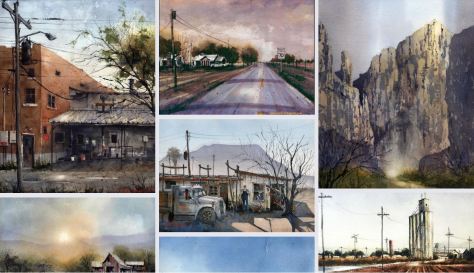
 Watercolor, in a practiced hand, is the perfect medium for capturing the powerful emotion of a place. While I paint a variety of subjects, I’m most attracted to landscapes that stir passion within me in the moment. I’m always drawn to things western, rural, gritty and seemingly mundane or ordinary. Anything evocative of a ‘time long passed by’ will always capture my attention.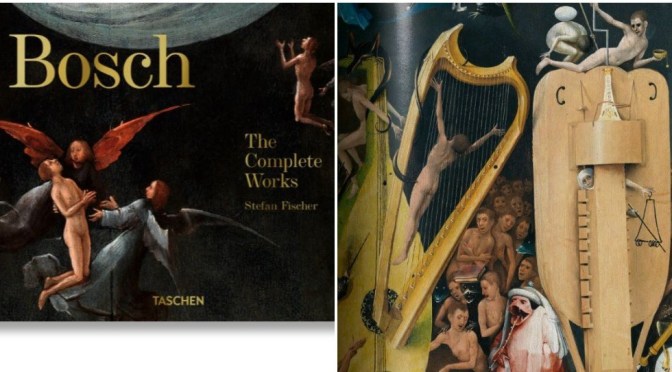
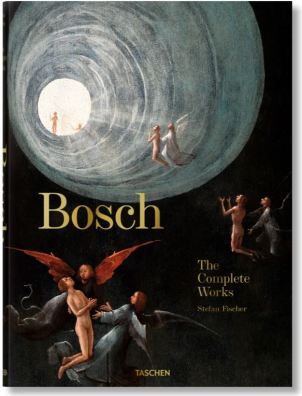 A bird-monster devouring sinners, naked bodies in tantric contortions, a pair of ears brandishing a sharpened blade: with just 20 paintings and nine drawings to his name, Netherlandish visionary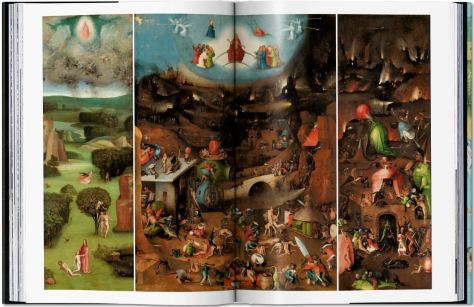
 Intellicurious