
From Wikipedia:
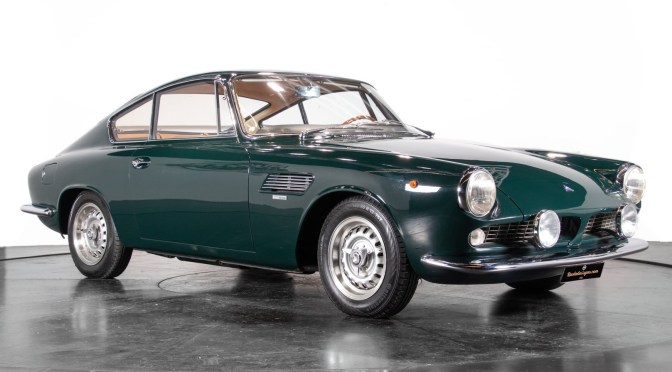
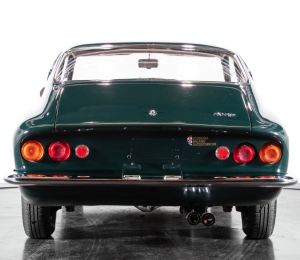 The ASA 1000 GT originated in a late 1950s experimental project by Ferrari engineers to create a less expensive, compact alternative to existing Ferrari GT cars. This project was designated “854” by the factory (for 850cc, 4 cylinders), however it was commonly but unofficially named “Ferrarina,” meaning “Little Ferrari.”[3]
ASA (Autocostruzioni Società per Azioni) was an Italian automobile manufacturer active from 1961 to 1969, who is known for manufacturing the ASA 1000 GT. This car was developed by Ferrari engineers in the late 1950s as a less expensive, compact alternative to existing Ferrari GT cars. ASA used inline-four and straight-six engines derived from the “250” 3-litre V12 designed by Gioacchino Colombo. The chassis was developed Giotto Bizzarrini, and derived from the tubular frame of the 250 GTO.
The prototype that would become the ASA 1000 GT was first presented by Carrozzeria Bertone (Geneva 1961) under the name “Mille”. Following this debut in late 1961, Enzo Ferrari decided to not sell the new car as a Ferrari and entrusted production to a close friend, Oronzio de Nora. The car was manufactured in Milan by a newly formed company called ASA (owned by the De Nora Electrochemical Group) from 1964 to 1969. The 1000 GT model was officially introduced in 1962, but due to production difficulties series production did not begin until 1964.[1][2]
Photos from Classic Driver: https://www.classicdriver.com/en/car/asa/1000-gt/1965/725030


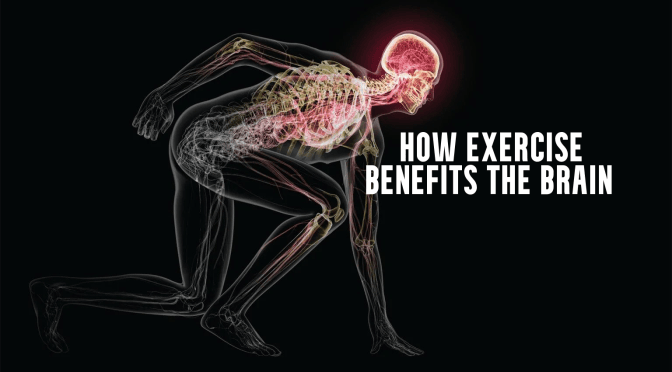
 In our own study of more than 7,000 middle-aged to older adults in the U.K., published in 2019 in Brain Imaging and Behavior, we demonstrated that people who spent more time engaged in moderate to vigorous physical activity had larger hippocampal volumes. Although it is not yet possible to say whether these effects in humans are related to neurogenesis or other forms of brain plasticity, such as increasing connections among existing neurons, together the results clearly indicate that exercise can benefit the brain’s hippocampus and its cognitive functions.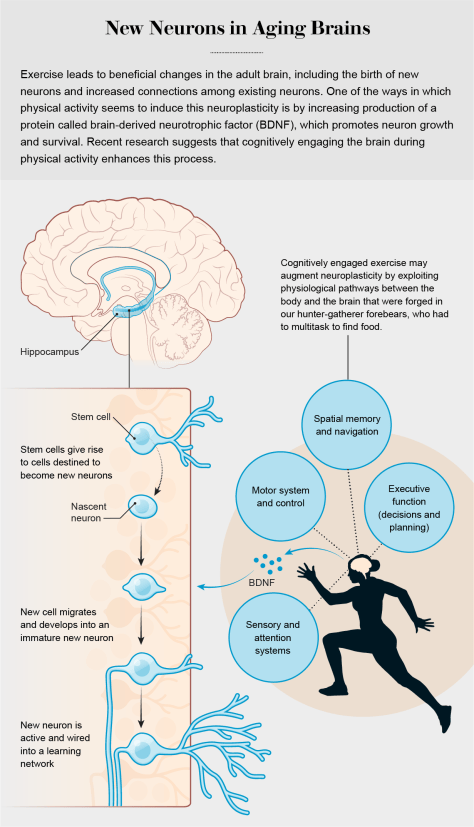

 “Research suggests that as we age, Americans will spend more of our hard-earned retirement assets on health care, such as insurance, prescription drugs, in-home care and other services that help us remain independent,” says NRMLA’s President Steve Irwin. “A retirement plan that includes the responsible use of home equity may be the best option that can help ensure healthcare spending doesn’t become a financial burden for many retired couples.”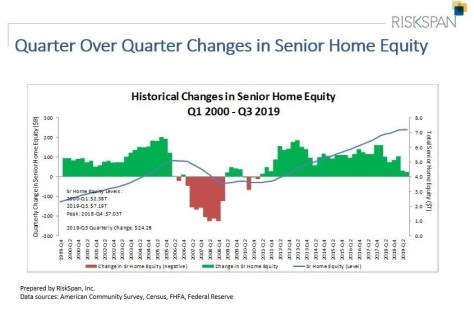
 Listen to an audio version of our feature article by Amber Dance. Research groups around the world are exploring new ways of protecting coral reefs from climate change.
