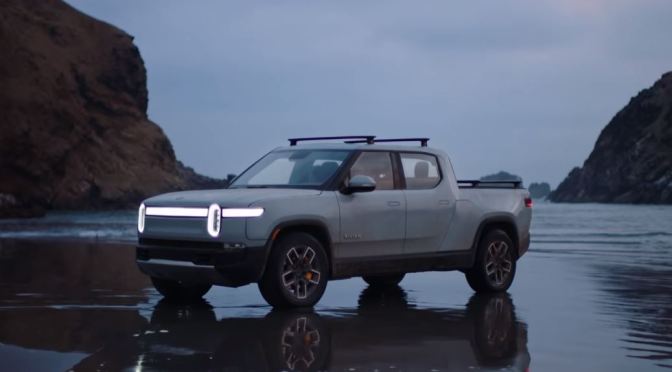
A behind-the-scenes look at what it takes to build a new kind of car company. Follow the Rivian team out of stealth mode and into the wild as we prepare to launch the world’s first electric adventure vehicles.

A behind-the-scenes look at what it takes to build a new kind of car company. Follow the Rivian team out of stealth mode and into the wild as we prepare to launch the world’s first electric adventure vehicles.
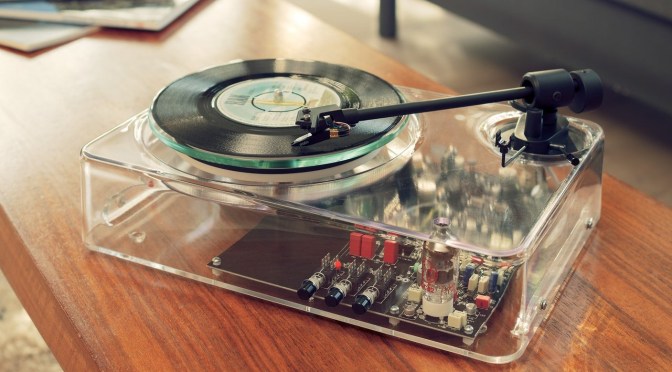
 The Gearbox Automatic has created quite a buzz in the audio world, a plug & play turntable that plugs a gap in the portable turntable sector. It features high-quality components, meaning the sound is astonishing for its price class. This you would expect from Gearbox of course, but it also does things no other turntable has ever done before.
What also sets this turntable apart is the high-fidelity built-in valve phono stage, (the first in the world to have one), which has been designed and tuned for moving magnet cartridges such as the pre-fitted Ortofon OM10. This means that you can plug the turntable straight into any line input and enjoy the warm and open acoustics, right from the box.
From a CalTech news article (February 4, 2020):
 The hope, Lee says, is that ultrasound will kill cancer cells in a specific way that will also engage the immune system and arouse it to attack any cancer cells remaining after the treatment.
A new technique could offer a targeted approach to fighting cancer: low-intensity pulses of ultrasound have been shown to selectively kill cancer cells while leaving normal cells unharmed.
 Ultrasound waves—sound waves with frequencies higher than humans can hear—have been used as a cancer treatment before, albeit in a broad-brush approach: high-intensity bursts of ultrasound can heat up tissue, killing cancer and normal cells in a target area. Now, scientists and engineers are exploring the use of low-intensity pulsed ultrasound (LIPUS) in an effort to create a more selective treatment.
A study describing the effectiveness of the new approach in cell models was published in Applied Physics Letters on January 7. The researchers behind the work caution that it is still preliminary—it still has not been tested in a live animal let alone in a human, and there remain several key challenges to address—but the results so far are promising.
A new look at antique US railroad maps reveals how cities grew over the past 200 years. The FT’s Alan Smith and Steven Bernard trace how cities, people and the economy spread from coast to coast.
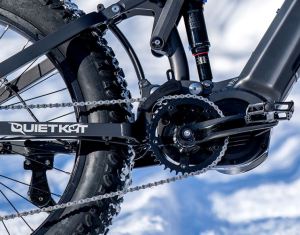 The first ever Jeep® e-Bike powered by QuietKat. It’s the most capable off-road electric mountain bike there is. When the road ends, your adventure continues with the all-new Jeep e-Bike. Kick it into high gear. Available June 2020.
Get up to 40 miles on a single charge with the power and efficiency of the 750 Watt electric motor. The 4.8” fat tires can tackle the most extreme terrain. The Fire-Link™ suspension has all the tractive capability you’ve come to expect from the Jeep® brand.
 The all-electric First Ever GMC HUMMER EV leads a quiet revolution – with zero emissions and zero limits. It earns its super truck status with up to:
Digital tools including mobile apps, wearable sensors, and social network platforms offer unprecedented opportunities in health research and healthcare. However, this rapidly emerging sector is outpacing existing regulatory structures and challenging norms for ethical practice.
Camille Nebeker, EdD, MS, Associate Professor of Behavioral Medicine in the Department of Family Medicine & Public Health at the UC San Diego School of Medicine describes how technologies, including wearable sensors and artificial intelligence, are leveraged to capture personal health data and infer health status. Nebeker presents the ethical considerations specific to informed consent, risks of harm and potential benefits while underscoring the role that funding agencies, policy makers, researchers, ethicists, and editors have in creating the infrastructure needed to advance safe digital health research and practice.
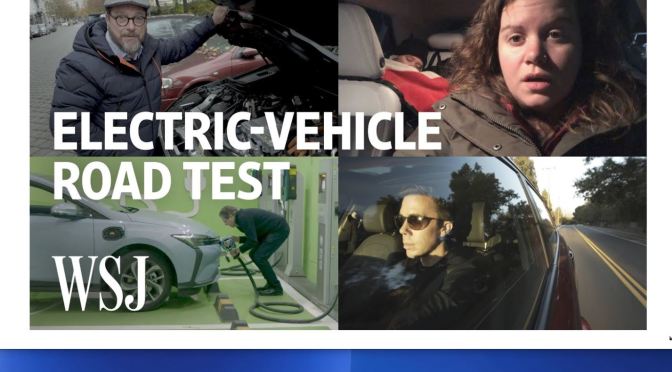
Dozens of new electric-vehicle models are expected to arrive at dealerships in the next few years. We followed eight Wall Street Journal reporters in four countries to see if they, and the world, are ready to make the switch.









 Intellicurious