

A Perfect Planet is an awe-inspiring exploration of Earth’s power and fragility.
Planet Earth is perfect. It orbits at the perfect distance from the sun; it tilts at just the right angle and has a decent sized moon to hold it in place. On top of that, the day-to-day workings of the planet naturally serve to nurture animals and plants.
This five part series will show how the forces of nature – weather, ocean currents, solar energy and volcanoes – drive, shape and support Earth’s great diversity of life. In doing so, it will reveal how animals are perfectly adapted to whatever the environment throws at them.
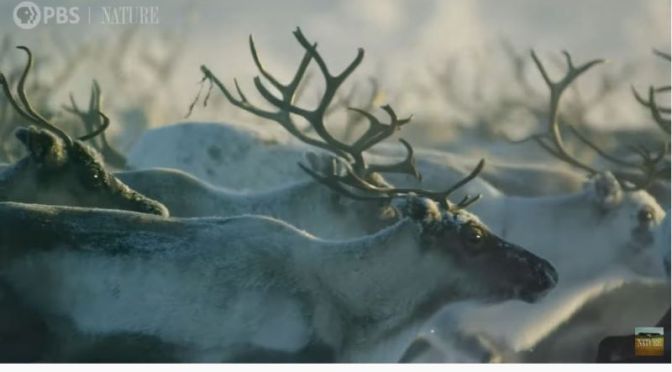
Witness the mass migration of hundreds of thousands of reindeer in Lapland.
The COVID-19 mortality rate is falling around the world. We discuss the reasons behind this – the role of new drugs, the treatment strategies the have been learned, or re-learned, and the ever-present worry that these hard won victories could be undone by rising infection rates.
In this episode:
00:44 An increase in survival rates
The COVID-19 mortality rate is falling around the world. We discuss the reasons behind this – the role of new drugs, the treatment strategies the have been learned, or re-learned, and the ever-present worry that these hard won victories could be undone by rising infection rates.
News Feature: Why do COVID death rates seem to be falling?
10:53 More vaccine good news
This week, Moderna released preliminary results for its COVID-19 vaccine candidate, the third positive indication from a string of vaccine announcements. Although the full data are yet to be published, do these results give us more reasons to feel hopeful?
News: COVID vaccine excitement builds as Moderna reports third positive result
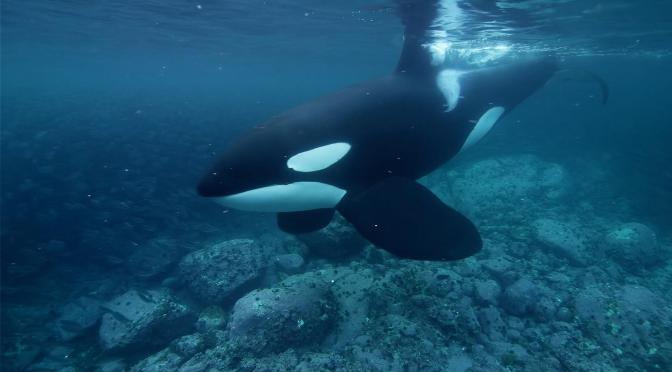
Orcas have a special way of hunting herring.
The killer whale or orca is a toothed whale belonging to the oceanic dolphin family, of which it is the largest member. Killer whales have a diverse diet, although individual populations often specialize in particular types of prey.
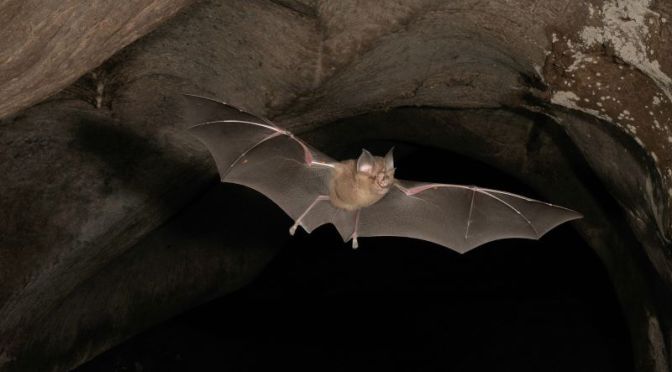
When it comes to viruses jumping from animals to humans, bats hold a unique place in the transmission chain. Christopher Golden and James Longman investigate an abandoned mine for signs of poaching or viruses impacting the bat population.
“Sunday Morning” takes us to Tahoe National Forest, northwest of Lake Tahoe, in California. Videographer: Derek Reich.
Tahoe National Forest is a United States National Forest located in California, northwest of Lake Tahoe. It includes the 8,587-foot peak of Sierra Buttes, near Sierra City, which has views of Mount Lassen and Mount Shasta. It is located in parts of six counties: Sierra, Placer, Nevada, Yuba, Plumas and El Dorado.
Researchers try to unpick the complex relationship between sensory pollutants and bird reproduction, and how to combat organized crime in fisheries.
In this episode:
00:46 Sensory pollution and bird reproduction
Light- and noise-pollution have been shown to affect the behaviour of birds. However, it’s been difficult to work out whether these behavioural changes have led to bird species thriving or declining. Now, researchers have assembled a massive dataset that can begin to give some answers. Research article: Senzaki et al.
10:17 Coronapod
Interim results from a phase III trial show compelling evidence that a coronavirus vaccine candidate can prevent COVID-19. However, amid the optimism there remain questions to be answered – we discuss these, and what the results might mean for other vaccines in development. News: What Pfizer’s landmark COVID vaccine results mean for the pandemic
23:29 Research Highlights
A tiny bat breaks a migration record, and researchers engineer a mouse’s sense of place. Research Highlight: The record-setting flight of a bat that weighs less than a toothbrush; Research Article: Robinson et al.
25:39 Organised crime in fisheries
When you think of fishing, organised crime probably isn’t the first thing that springs to mind. However, billions of dollars every year from the fishing industry are lost to criminal enterprises. We discuss some of the impacts and what can be done about it. Research Article: Witbooi et al.
32:13 Briefing Chat
We discuss some highlights from the Nature Briefing. This time, a time-capsule discovered on the Irish coast provides a damning indictment of Arctic warming, and some human remains challenge the idea of ‘man-the-hunter’. The Guardian: Arctic time capsule from 2018 washes up in Ireland as polar ice melts; Science: Woman the hunter: Ancient Andean remains challenge old ideas of who speared big game
Filmed and Edited by: Christian Fleischer
When chaos, stress and distraction comes over us, it is good to calm down and focus on the wonderful little things that mother nature is blessing us with.
So I like to invite you to have a break, relax and enjoy some meditative moments of witnessing the little creatures, plants and mushrooms down at your feet, which normally remain invisible for most of us most of the time.
MUSIK: Scott Rakozy – A Mother`s Love | audiio.com
Astronomers pin down the likely origins of mysterious fast radio bursts, Covid-19 in schools, octopuses taste with touch and the latest on what the US election means for science.
In this episode:
00:46 The origins of mysterious fast radio bursts
The detection of a brief but enormously-powerful radio burst originating from within the Milky Way could help researchers answer one of astronomy’s biggest mysteries.
Research article: Bochenek et al.; News: Astronomers spot first fast radio burst in the Milky Way
07:59 Coronapod
At the start of the pandemic, there were fears that schools could become hotspots for infections. We discuss the evidence suggesting that this is unlikely to be the case, and the rates of infection in children of different ages.
News: Why schools probably aren’t COVID hotspots
18:34 Research Highlights
Octopuses taste with touch, and a tool to watch dangerously-reactive metals grow.
Research Highlight: How octopuses taste with their arms — all eight of them; Research Highlight: How to make violently reactive metals and watch them grow
21:28 An update on the US election
Although the winner of this year’s US election is unclear, we discuss the current situation and what it might mean for science.
28:58 Briefing Chat
We discuss some highlights from the Nature Briefing. This time, ancient genomes reveal the migration of man’s best friend, and a new polio vaccine looks set to receive emergency approval.
News: Ancient dog DNA reveals 11,000 years of canine evolution; News: New polio vaccine poised to get emergency WHO approval