
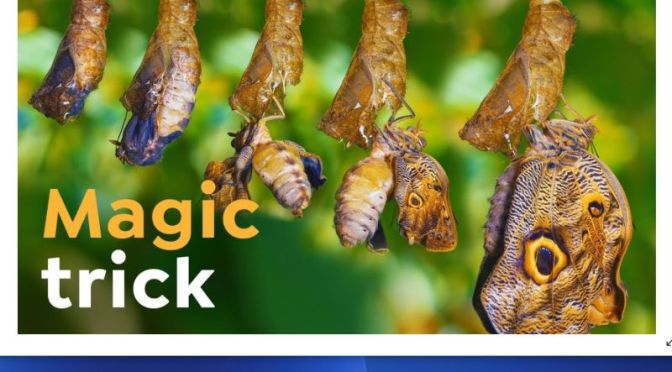
Metamorphosis is one of the most common but fascinating miracles of nature. An astonishing 80% of the insect world undergoes the process, but perhaps none is more iconic than the butterfly. 🦋 From pinhead-sized eggs glued to the top of a leaf, right through to the unveiling of her majestic new wings, we delve into the development of a painted lady butterfly, the world’s most widely travelled insect.
Tag Archives: Nature
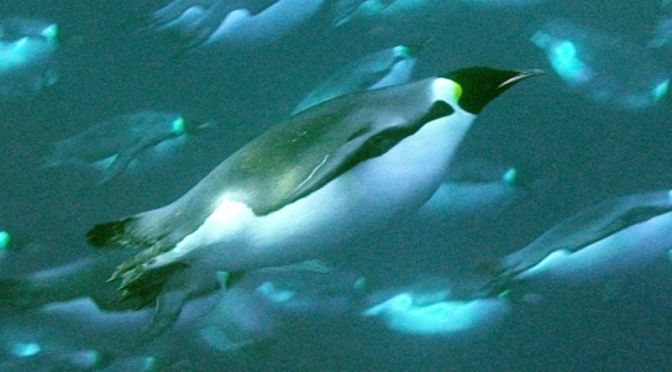
Ocean Wildlife: Emperor Penguins ‘Deep Sea Diving’ For Food (BBC Video)
Penguins have the ability to forage for food in the sub-temperature waters of the Antarctic, where Krill and other sea life have also found a home. But Penguins aren’t the only inhabitants here…
The emperor penguin is the tallest and heaviest of all living penguin species and is endemic to Antarctica. The male and female are similar in plumage and size, reaching 100 cm in length and weighing from 22 to 45 kg.
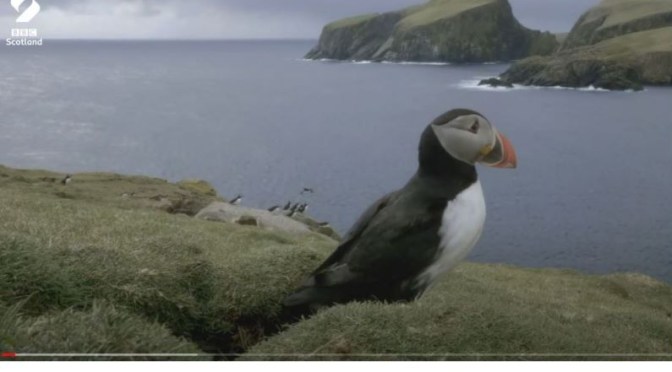
Wildlife: ‘Puffins Pairing Up’ In Scotland (Video)
This young puffin is ready to breed – but he has to find a mate first. After securing an empty burrow, he hopes a nearby female will show interest.
An oceanic bird, puffins are summer visitors that arrive to nest between late March and early April in the vast coastal clifftop colonies. … Found in extensive cliff top colonies around the coasts of Scotland from Galloway to Wick, on the islands and along the eastern cliffs from North Berwick to Berwick-on-Tweed.
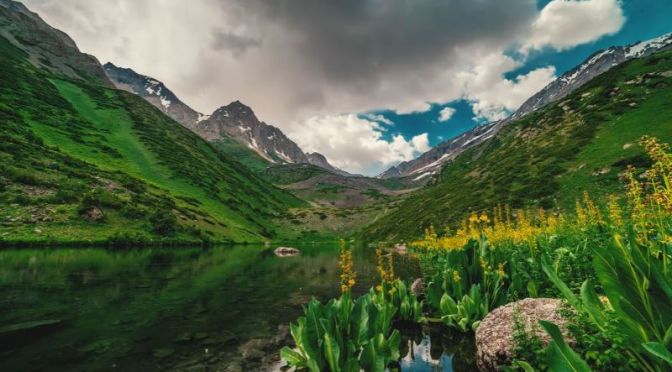
Travel: A Coast To Coast Glimpse Of ‘Canada’ (Video)
A Glimpse of Canada: From the rocky bluffs of Newfoundland to the vast Douglas fir forests and rocky shores of Vancouver Island, Canada is truly a country of picturesque beauty. Every province from the Maritimes in the east, to the rugged shores of British Columbia in the west, has its own natural beauty. The Queen Charlotte Islands north of Vancouver Island point, as a bony finger, into the Pacific Ocean. Called Haida Gwii by the Haida Indians, they are often called the Canadian Galapagos. Here, abandoned villages, decaying totem poles and remnants of longhouses pay tribute to Canada”s Native Peoples. In British Columbia, the paths of Stanley Park wind amidst giant firs and fragrant beds of flowers. Superbly carved totem poles reach into the sky, giving evidence of the talents of the Haida Tribe.
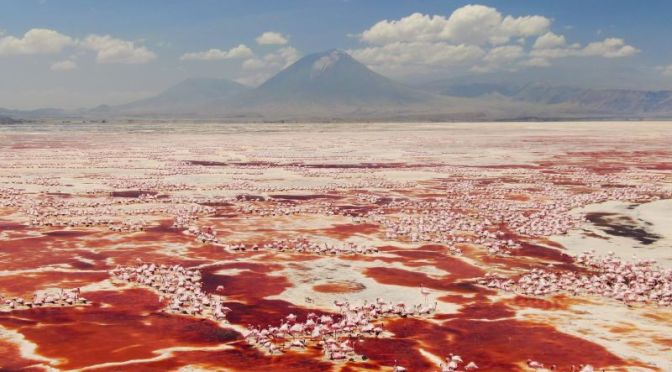
Video: ‘A Perfect Planet’ (BBC Earth Trailer)
Join David Attenborough to discover how diverse forces work together to keep our planet in perfect balance. A Perfect Planet is an awe-inspiring exploration of Earth’s power and fragility.
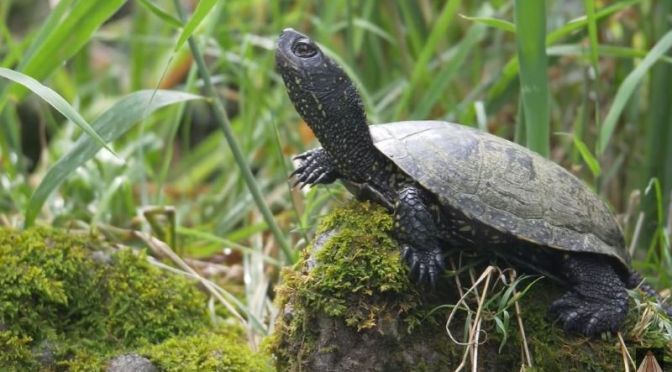
Wildlife: The Uncertain Origins And Evolution Of The Turtle (Video)
Turtle evolution has caused many problems for scientists over the years due to multiple fossil discoveries seeming to contradict each other with different turtle features evolving independently on different turtle ancestors. However, although there is still work to be done this video sets out to explain what is known so far.
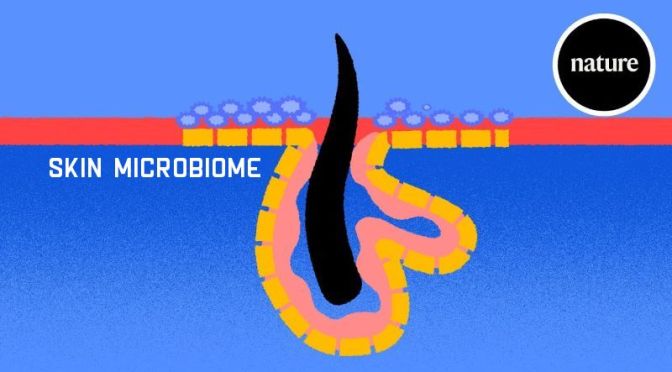
Health: Value Of A Healthy ‘Skin Microbiome’ (Video)
Our skin is home to billions of microorganisms, the vast majority of which are bacteria. Much like the microbiome in our gut, these microbes play a crucial part in keeping us healthy. They are part of a finely balanced ecosystem of friendly or ‘commensal’ bacteria, which protect our skin by creating an inhospitable environment for would-be invaders, bolstering the physical integrity of the skin, and training the immune system to distinguish commensal inhabitants from pathogens. A number of skin conditions are now understood to be influenced by a breakdown of this microbial ecosystem. Researchers are working out whether restoring the balance can treat these conditions. Understanding the ecology of this rich community is likely to be an important part of both dermatology and the study of the microbiome. Read more in https://www.nature.com/collections/sk…
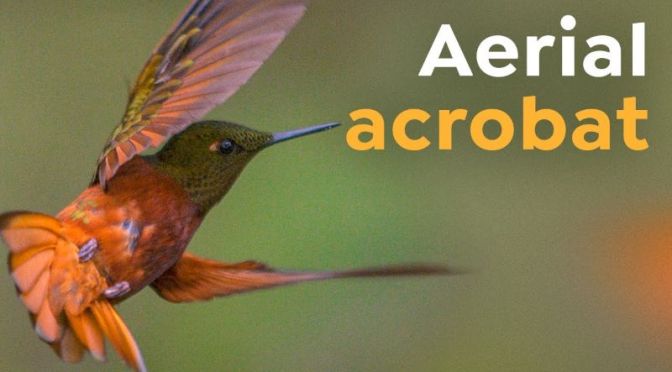
Wildlife: The ‘Extreme Biology’ Of Hummingbirds
The hummingbird is the smallest bird on the planet, with one species measuring just five centimeters! But inside their tiny bodies are huge brains and hearts – the largest in the avian kingdom relative to body size.
Those brains and hearts are used to power an astonishing metabolism, incredibly strong flight muscles for their high-speed wings, and a formidable intelligence that allows them to remember where to find the sweetest flowers. Dive into the extraordinary world of these aerial acrobats through ultra high-speed HD cameras and cutting-edge remote systems – what you’ll learn may well surprise you!
Science Podcast: Shallow Pool Origins For Life On Earth, ‘Covidization’

How water chemistry is shifting researchers’ thoughts on where life might have arisen, and a new model to tackle climate change equitably and economically.
In this episode:
00:46 A shallow start to life on Earth?
It’s long been thought that life on Earth first appeared in the oceans. However, the chemical complexities involved in creating biopolymers in water has led some scientists to speculate that shallow pools on land were actually the most likely location for early life.
News Feature: How the first life on Earth survived its biggest threat — water
07:44 Coronapod
The COVID-19 pandemic has massively shifted the scientific landscape, changing research and funding priorities across the world. While this shift was necessary for the development of things like vaccines, there are concerns that the ‘covidization’ of research could have long-term impacts on other areas of research.
News: Scientists fear that ‘covidization’ is distorting research
20:45 Research Highlights
The Hayabusa2 mission successfully delivers a tiny cargo of asteroid material back to Earth, and a team in China claims to have made the first definitive demonstration of computational ‘quantum advantage’.
Nature News: Physicists in China challenge Google’s ‘quantum advantage’
22:38 Calculating carbon
Limiting carbon emissions is essential to tackling climate change. However, working out how to do this in a way that is fair to nations worldwide is notoriously difficult. Now, researchers have developed a model that gives some surprising insights in how to equitably limit carbon.
Research Article: Bauer et al.
News and Views: Trade-offs for equitable climate policy assessed
29:08 Briefing Chat
We discuss some highlights from the Nature Briefing. This time, bioluminescent Australian animals, and the collapse of the Arecibo telescope.
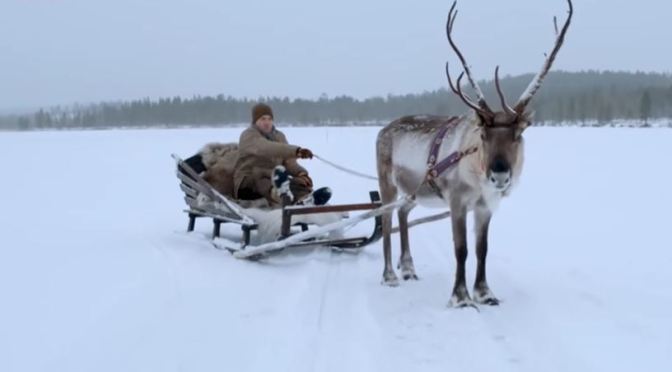
Winter Travel: ‘Reindeer Moments’ From BBC Earth
Reindeer live in some of the coldest parts of the world. Sit back and enjoy this selection of wonderful reindeer moments selected from the BBC Earth library.
The reindeer, also known as the caribou in North America, is a species of deer with circumpolar distribution, native to Arctic, sub-Arctic, tundra, boreal, and mountainous regions of northern Europe, Siberia, and North America. This includes both sedentary and migratory populations.

