
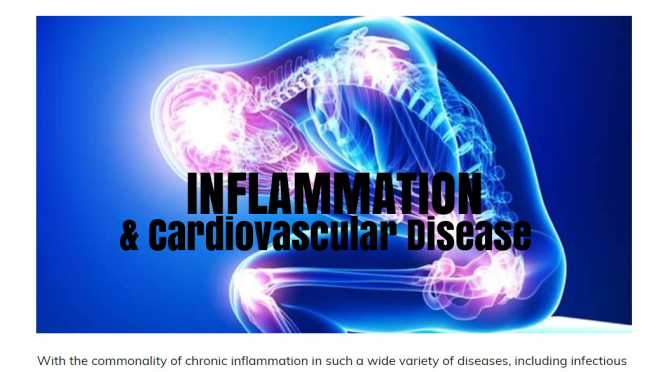
From a Genetic Engineering & Biotechnology News release:
 “These results show quite clearly that there’s a very specific part of the brain network that’s affected by inflammation,” noted Mazaheri. “This could explain ‘brain fog’.”
Raymond added that “this research finding is a major step forward in understanding the links between physical, cognitive, and mental health and tells us that even the mildest of illnesses may reduce alertness.”
Researchers at the University of Birmingham’s Centre for Human Brain Health in collaboration with the University of Amsterdam say they have uncovered a possible explanation for the mental sluggishness that often accompanies illness. The team investigated the link between “mental fog” and inflammation, the body’s response to illness. In a study (“Selective effects of acute low-grade inflammation on human visual attention”) published in Neuroimage, they showed that inflammation appears to have a particularly negative impact on the brain’s readiness to reach and maintain an alert state.

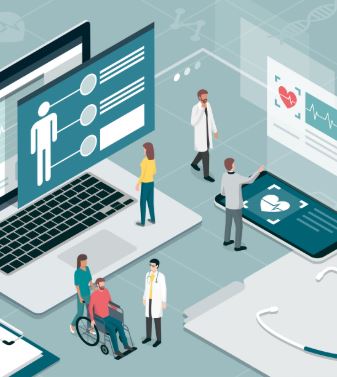 This proposed agency could work like a seal of approval, like the Energy Star program run by the Environmental Protection Agency, for new software, apps, and vendors that will be handling sensitive health information. Just like dishwashers evaluated by Consumer Reports, apps that handle personal health information should have a similar unbiased review process.
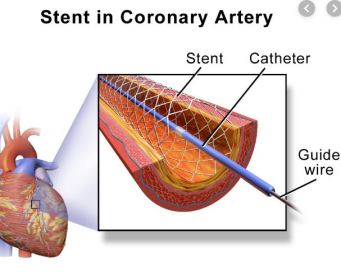 “For patients with severe but stable heart disease who don’t want to undergo these invasive procedures, these results are very reassuring,” said
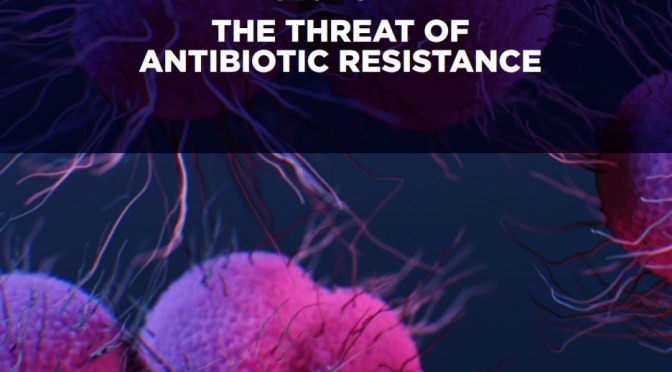
 More than 2.8 million antibiotic-resistant infections occur in the United States each year, and more than 35,000 people die as a result. In addition, nearly 223,900 people in the United States required hospital care for C. difficile and at least 12,800 people died in 2017.
 An obscure think tank in Boston is getting drug companies to lower their prices – using something called a QALY. WSJ’s Denise Roland explains what a QALY is, and why it’s controversial.
 One of the immune system’s jobs is to protect us from harmful bacterial. And the beneficial organisms that we refer to as probiotics contribute to this effort in a number of ways. In the gut, a robust population of beneficial bacteria can help crowd out harmful bacteria, making it harder for them to thrive. In addition, probiotic bacteria can influence the activity of our own immune cells, regulating inflammation, barrier function, and cell-to-cell signaling.

 Hear this week’s science news, with Nick Howe and Shamini Bundell. This week, a new 3D printer allows quick shifting between many materials, and understanding the link between gut microbes and liver disease.

 Copenhagen’s legendary bicycle setup has been propelled by all of these aspirations, but the critical element is the simplest: People here eagerly use their bicycles — in any weather, carrying the young, the infirm, the elderly and
 “But what’s really intriguing is that we can now see how vitamin D might help the immune system fight cancer. We know when the Wnt/beta-catenin pathway is active in melanoma, it can dampen down the immune response causing fewer immune cells to reach the inside of the tumor, where they could potentially fight the cancer better.


