
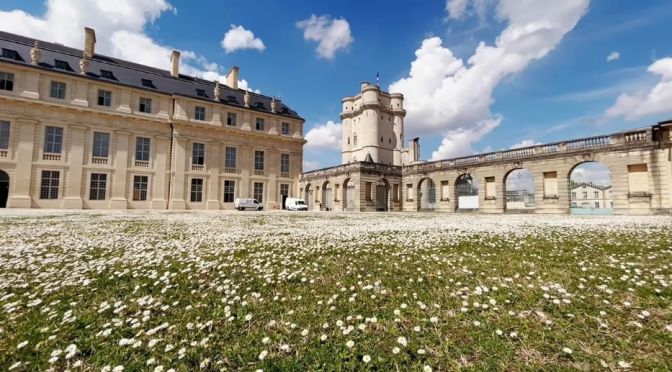
The château of Vincennes, which succeeded an earlier fortified hunting lodge on the site, consists of four principal buildings—the keep, the chapel, and two pavilions—enclosed by an enceinte with nine towers. The magnificent and well-preserved keep, the finest surviving in France, 170 feet (52 metres) in height, was begun under Philip VI, completed under Charles V (reigned 1364–80), and used thereafter as a royal residence until Versailles was built. The chapel, not completed until 1552 but in Gothic style, has a Flamboyant facade and a great rose window. The two pavilions—the Pavillon du Roi and the Pavillon de la Reine—were built by Louis Le Vau, under the direction of Jules Cardinal Mazarin, during the third quarter of the 17th century.
Tag Archives: France
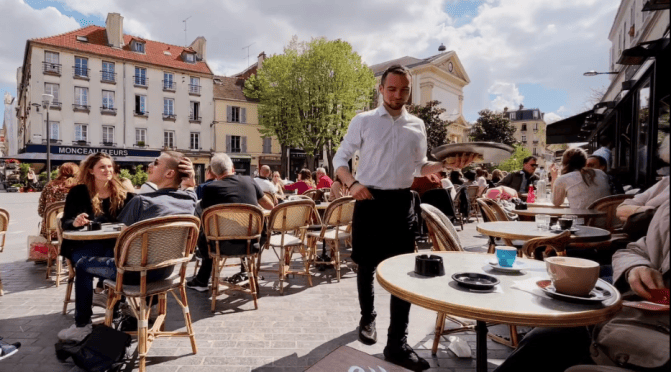
Café Views: Vincennes Near Paris, France (4K)
Vincennes, town, eastern residential suburb of Paris, Val-de-Marne département, Île-de-France région, north-central France, immediately outside the Paris city limits.
The château of Vincennes, which succeeded an earlier fortified hunting lodge on the site, consists of four principal buildings—the keep, the chapel, and two pavilions—enclosed by an enceinte with nine towers. The magnificent and well-preserved keep, the finest surviving in France, 170 feet (52 metres) in height, was begun under Philip VI, completed under Charles V (reigned 1364–80), and used thereafter as a royal residence until Versailles was built. The chapel, not completed until 1552 but in Gothic style, has a Flamboyant facade and a great rose window. The two pavilions—the Pavillon du Roi and the Pavillon de la Reine—were built by Louis Le Vau, under the direction of Jules Cardinal Mazarin, during the third quarter of the 17th century.
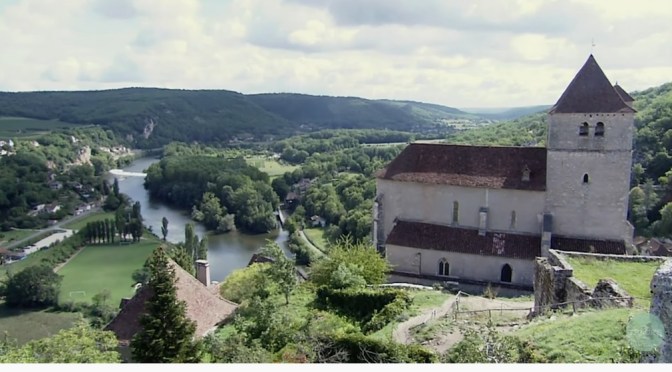
Travel & Culture: The Bordeaux Wine Region
The world’s finest wines, sweeping vineyards and fine food couple with a river valley dotted with castles. We sample the best Bordeaux then cruise the lovely Dordogne and Lot rivers with stops at chateaux, ancient watermills, and perched villages.
The wine regions of Bordeaux are a large number of wine growing areas, differing widely in size and sometimes overlapping, which lie within the overarching wine region of Bordeaux, centred on the city of Bordeaux and covering the whole area of the Gironde department of Aquitaine.
The Bordeaux region is naturally divided by the Gironde Estuary into a Left Bank area which includes the Médoc and Graves and a Right Bank area which includes the Libournais, Bourg and Blaye. The Médoc is itself divided into Haut-Médoc (the upstream or southern portion) and Bas-Médoc (the downstream or northern portion, often referred to simply as “Médoc”).
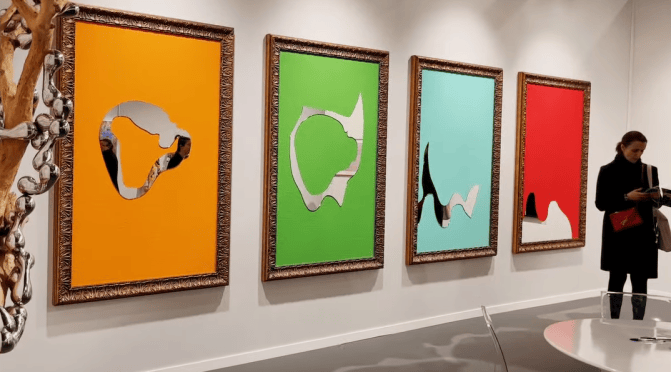
Contemporary Art Fairs: ‘Art Paris 2022’ (Video)
The Leading Spring Event for Modern and Contemporary Art
Boosted by the success of the September 2021 edition that inaugurated the Grand Palais Éphémère on the Champ-de-Mars with a record-breaking 72,745 visitors, Art Paris is back from 7 to 10 April 2022 with a strong selection of 130 modern and contemporary galleries from some twenty different countries.
Both regional and cosmopolitan, this 24th edition is characterized by its commitment in favour of the environment with two themes – “Natural Histories” and “Art & Environment”- combined with an innovative and sustainable approach to organising an art fair.
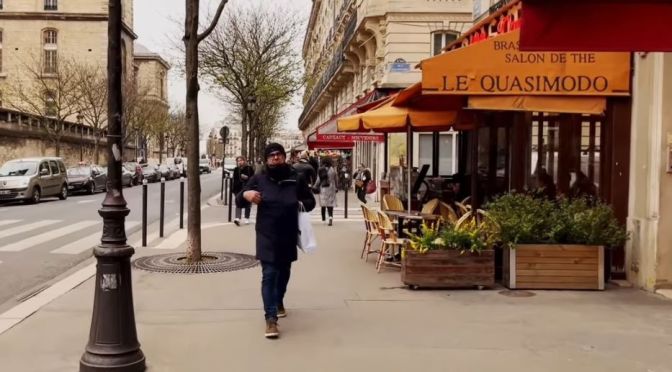
Walking Tour: Île de la Cité In Paris, France (4K)
Île de la Cité is an island in the river Seine in the center of Paris. In the 4th century, it was the site of the fortress of the Roman governor. In 508 Clovis I, the first King of the Franks, established his palace on the island.
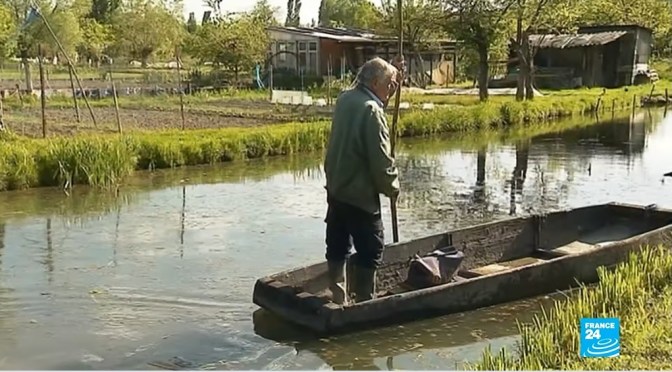
Loire Valley Views: The Marshes Of Bourges
The city of Bourges in central France is famous for its UNESCO-listed cathedral and medieval city centre. But the capital of the Berry region has another historic asset: its marshes, a labyrinth of vegetable gardens. Located a few minutes from the city centre, the people of Bourges have enthusiastically maintained them for more than a century. This small corner of paradise is now attracting more and more city dwellers looking for peace and quiet. FRANCE 24 takes you to discover this unique but fragile ecosystem.
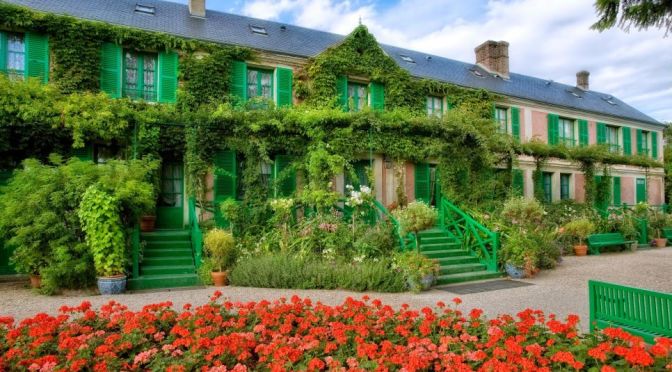
France Views: Monet’s House & Garden In Giverny
Giverny is a village in the region of Normandy in northern France. Impressionist painter Claude Monet lived and worked here from 1883 until his death in 1926. The artist’s former home and elaborate gardens, where he produced his famed water lily series, are now the Fondation Claude Monet museum. Nearby, the Musée des impressionnismes Giverny highlights the Impressionist art movement.
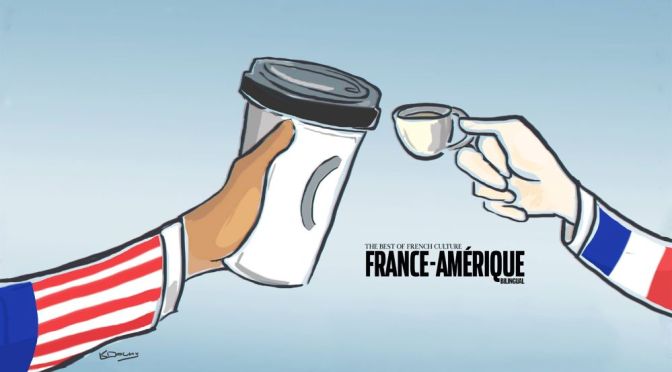
Culture: France-Amérique Magazine – April 2022

April 2022
Pretty in… Green
For Earth Day, April 22, France-Amérique is going vert! Did you know the color green was perceived as evil before it was adopted by environmentalists as a symbol of hope and happiness? The environment is also at the heart of #SaccageParis, a French campaign raising awareness on littering, and the work of photographer Ben Thouard, who captures the sheer power of the waves in Tahiti. Also in this issue, read our interview with the former head of U.N. peacekeeping, Jean-Marie Guéhenno, our investigation on the myths and facts of immigration in France, and our illustrated feature on the Coulée Verte in Paris, the urban park that inspired New York’s High Line!
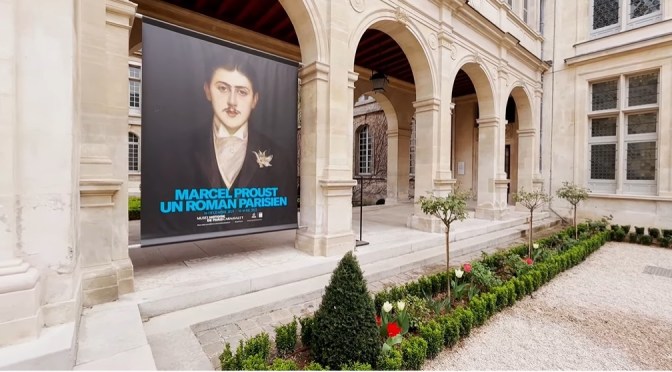
Tours: ‘Marcel Proust’ – Carnavalet Museum, Paris
The Carnavalet Museum – History of Paris is celebrating the 150th anniversary of the birth of Marcel Proust (1871–1922).
Dedicated to the relationship between Marcel Proust and Paris, where he spent most of his life, the exhibition Marcel Proust, a Parisian novel will investigate the city’s place in Proust’s novel.
The first section of the exhibition will explore the world Marcel Proust inhabited in Paris. Having been born and died in Paris, Proust’s life unfurled in the very restricted area encompassed by Parc Monceau, Place de la Concorde, Auteuil, Bois de Boulogne and l’Étoile. Paris was of immense importance in the development of Marcel Proust’s literary vocation, from the time of his earliest writings in the late 1890s with his fellow-pupils at the Lycée Condorcet, to his entry into the city’s high society and encounters with people who would be decisive to his life.
The second part of the exhibition opens on the fictional Paris created by Marcel Proust. Following the architecture of the novel In Search of Lost Time and evoking emblematic places in the city, it offers a journey through the novel and the history of the capital, focusing on the book’s central characters. The city of Paris, represented poetically in the novel, is the setting for the quest of the narrator, the author’s alter ego, until the revelation of his vocation as a writer.
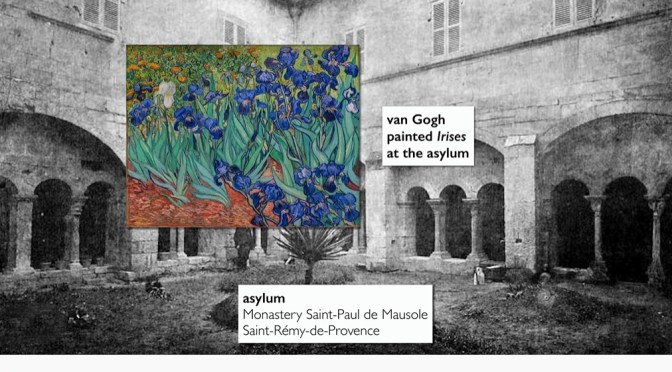
Art History: Van Gogh’s ‘Irises’ (Getty Museum)
Behind this iconic painting by Vincent van Gogh is the artist’s inspiring story about healing, as he struggled with the challenges of a psychiatric disorder. Learn more about this period in his life in which he produced some of his most famed work.
Getty has joined forces with Smarthistory to bring you an in-depth look at select works within our collection, whether you’re looking to learn more at home or want to make art more accessible in your classroom. This six-part video series illuminates art history concepts through fun, unscripted conversations between art historians, curators, archaeologists, and artists, committed to a fresh take on the history of visual arts.
View the Getty Conversations series: https://youtube.com/playlist?list=PLi…
Learn more about “Irises” in Getty’s collection online: https://www.getty.edu/art/collection/…

