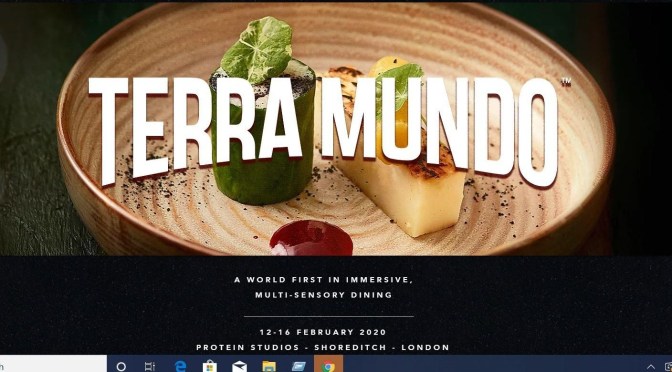
Terra Mundo is a truly unique and luxurious dining experience set over three courses inspired by three distinctly earthly environments of forest, fire and ocean. Exquisite pairings of delicious food and stunning drinks are enhanced through musical soundscapes and 360-degree immersive projections bringing you the tastes, sights and sounds of Terra Mundo.
WHAT’S INCLUDED?
A delicious welcome drink
Three courses of fine dining
Perfectly-paired drinks for each course
Tantalising appetisers and amuse bouche
One hour show of fully visuals and musical soundscapes
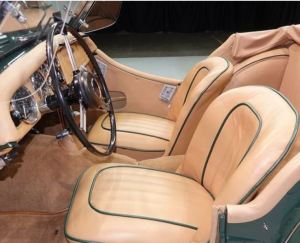
The Triumph TR3 is a British sports car produced between 1955 and 1962 by the Standard-Triumph Motor Company of Coventry, England. A traditional roadster, the TR3 is an evolution of the company’s earlier TR2 model, with greater power and improved braking. Updated variants, popularly but unofficially known as the “TR3A” and “TR3B”, entered production in 1957 and 1962 respectively. The TR3 was succeeded by the Michelotti-styled, mechanically similar Triumph TR4.
The rugged ‘sidescreen’ TR, so named for its employment of removable plexiglass side curtains, was a sales and motorsport success. With approximately 74,800 TR3s sold across all variants, the model was the company’s third best seller in the TR range, behind the TR7 (111,500 units) and TR6 (94,500 units) models.[7] The Triumph was campaigned in races, hill climbs, and rallies across Europe and North America, with several outright, team, and class victories to its credit.
“Simplicity in architecture can sometimes only be achieved by the most complex of means.”
British architectural designer John Pawson has, in a career spanning over three decades, created an inimitable body of work characterized by its distillment of the fundamental ingredients of architecture into their most elemental, elegant expressions.
His design practice, which began primarily with residential commissions, now extends to churches, museums, ballet sets, textiles, kitchenware and furniture. Despite his minimalist approach, Pawson is sensitive to the intimate rituals of daily life and his buildings are far from austere: instead, they elegantly make the case for the clarity and freedom to be found in the act of reduction.
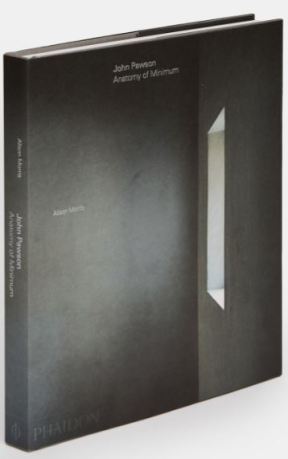
In a new book published by Phaidon, writer Alison Morris explores Pawson’s most recent projects, shedding light on his working process and influences accompanied by stunning photographs, drawings and imagery from his personal journal.
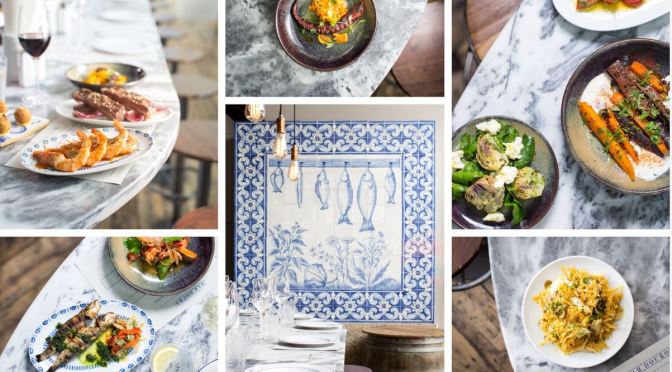
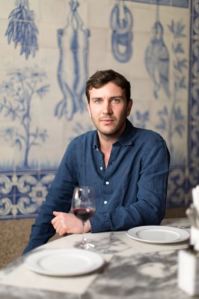
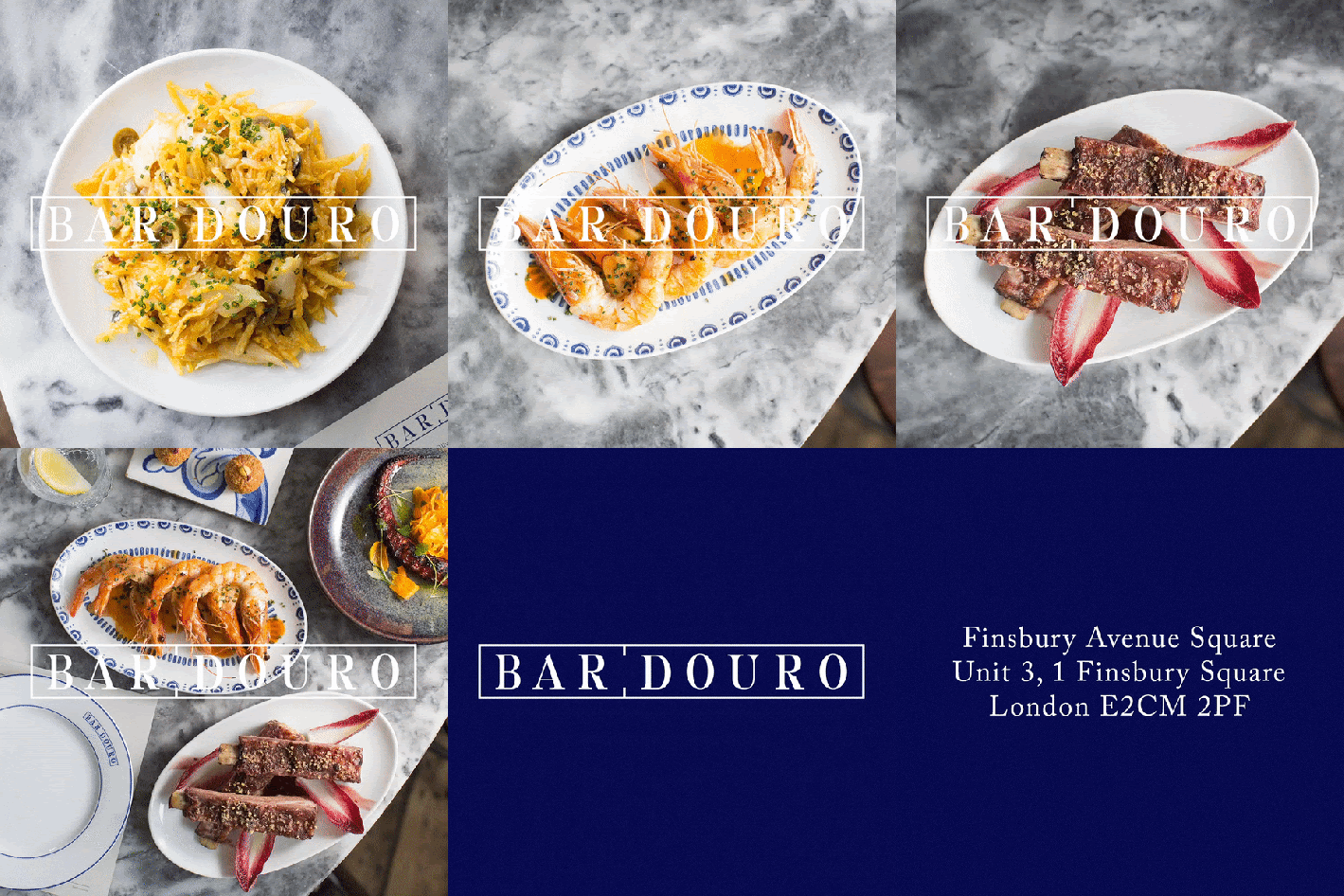
Occupying a railway arch in London’s buzzing Flat Iron Square, Bar Douro was created as a way to bring authentic Portuguese food to London. With ties to Portugal traced back through the family, Bar Douro has matched exquisite Portuguese wines with all the tradition of local Portuguese food. The atmospheric 30-cover marble counter-top dining space offers an intimate window to the best of Portuguese culinary heritage.
When designer Richard Found discovered the dream plot on which to build his serene contemporary retreat overlooking a lake, he didn’t bet on what happened next. In the grounds stood a derelict 18th-century gamekeeper’s cottage, which was immediately spot-listed by Historic England. “It changed the whole dynamic of what I thought would be a straightforward new-build project, and became a far more arduous planning exercise.”…
House Proud is a series of videos created by the Telegraph which showcase some of Britain’s most idiosyncratic, quirky, unusual and unforgettable homes. A celebration of British eccentricity and imagination, in each film the owner gives us an intimate guided tour and tells us the story of their unique property.
From a Genetic Engineering & Biotechnology News online article:
“We were able to show that if you can stop the plasmid from replicating, then most of the bacteria lose the plasmid as the bacteria grow and divide. This means that infections that might otherwise be hard to control, even with the most powerful antibiotics available, are more likely to be treatable with standard antibiotics.”
Fig 1. Anticipated exploitation of pCURE as a probiotic treatment for at-risk individuals. Before treatment, plasmids carrying antibiotic resistance genes are shown as purple circles. After treatment, target plasmids are replaced by pCURE (green circle) which could be engineered to later “self-destruct”. Note that not all gut bacteria carry resistance plasmids but pCURE can enter all Enterobacteriaceae as well as other bacteria. Reduced resistance levels in the gut decrease the chance of treatment failure when infections elsewhere in the body (eg lungs or urinary tract) arise from gut bacteria.
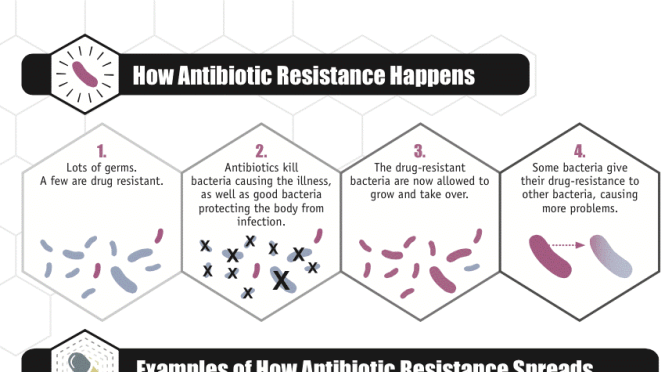
Researchers headed by a team at the University of Birmingham in the U.K. have developed a probiotic drink containing genetic elements that are designed to thwart antimicrobial resistance (AMR) in gut bacteria at the genetic level. The drink targets small DNA elements called plasmids that carry antibiotic resistance genes, and which are able to replicate independently and spread between bacteria. By preventing these plasmids from replicating, the antibiotic resistance genes are displaced, effectively resensitizing the bacteria to antibiotics.
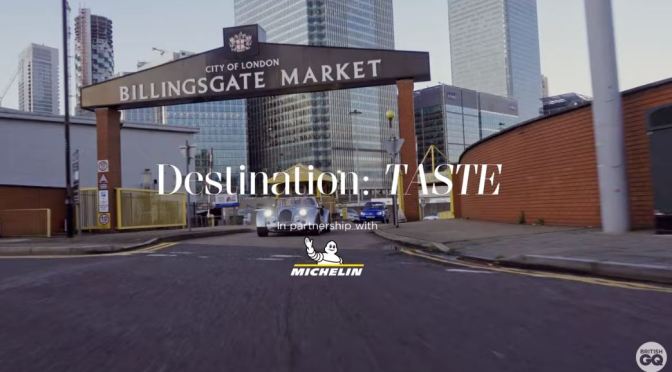
In GQ’s on-going quest to road test the contenders for the 2020 Car Awards, chef Paul Ainsworth takes a trip down memory lane in a brand new old-school British roadster.
Morgan PlusSix First Edition Moonstone Roadster 2020
The winners of the Car Awards, in association with Michelin, will be revealed on 3 February, 2020. Full coverage will appear in the March issue of GQ, on sale 6 February. For more information visit: GQ.co.uk
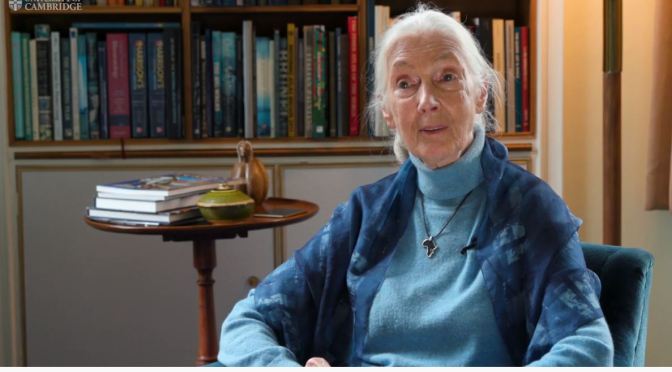
In a new film released as part of Cambridge University’s focus on Sustainable Earth, Dr Jane Goodall DBE talks about the environmental crisis and her reasons for hope. “Every single day that we live, we make some impact on the planet. We have a choice as to what kind of impact that is.”
At the age of 26, Jane Goodall travelled from England to what is now Tanzania, Africa, and ventured into the little-known world of wild chimpanzees. Among her many discoveries, perhaps the greatest was that chimpanzees make and use tools. She completed a PhD at Newnham College in Cambridge in 1966, and subsequently founded the Jane Goodall Institute in 1977 to continue her conservation work and the youth service programme Roots & Shoots in 1991.
She now travels the world as a UN Messenger of Peace. “The human spirit is indomitable. Throughout my life, I’ve met so many incredible people – men and women who tackle what seems impossible and won’t give up until they succeed. With our intellect and our determined spirit, and with the tools that we have now, we can find a way to a better future.”
Cambridge University’s focus on Sustainable Earth looks at how we transition to a carbon zero future, protect the planet’s resources, reduce waste and build resilience.
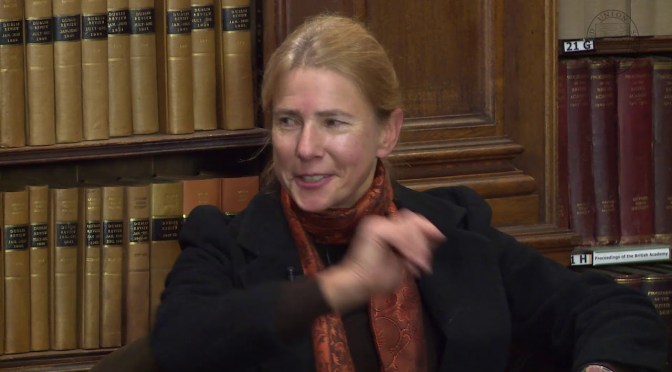
Lionel Shriver (born Margaret Ann Shriver; May 18, 1957) is an American journalist and author who lives in the United Kingdom. She is best known for her novel We Need to Talk About Kevin, which won the Orange Prize for Fiction in 2005 and was adapted into the 2011 film of the same name, starring Tilda Swinton.
Shriver has written for The Wall Street Journal, the Financial Times, The New York Times, The Economist, contributed to the Radio Ulster program Talkback and many other publications. In July 2005, Shriver began writing a column for The Guardian, in which she has shared her opinions on maternal disposition within Western society, the pettiness of British government authorities, and the importance of libraries (she plans to will whatever assets remain at her death to the Belfast Library Board, out of whose libraries she checked many books when she lived in Northern Ireland). She currently writes regularly for The Spectator.
In online articles, she discusses in detail her love of books and plans to leave a legacy to the Belfast Education and Library Board.


 The Triumph TR3 is a British sports car produced between 1955 and 1962 by the Standard-Triumph Motor Company of Coventry, England. A traditional roadster, the TR3 is an evolution of the company’s earlier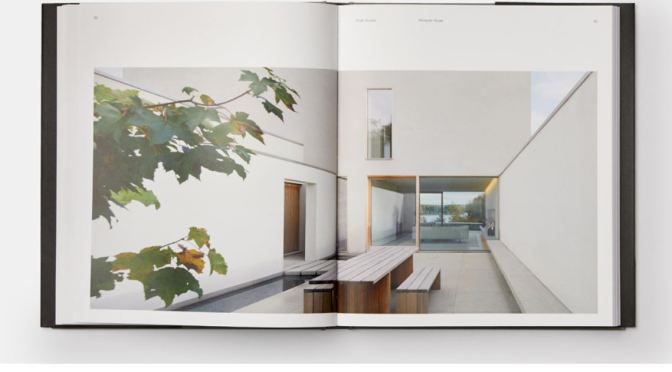
 British architectural designer John Pawson has, in a career spanning over three decades, created an inimitable body of work characterized by its distillment of the fundamental ingredients of architecture into their most elemental, elegant expressions.
 approach, Pawson is sensitive to the intimate rituals of daily life and his buildings are far from austere: instead, they elegantly make the case for the clarity and freedom to be found in the act of reduction.




 “We were able to show that if you can stop the plasmid from replicating, then most of the bacteria lose the plasmid as the bacteria grow and divide. This means that infections that might otherwise be hard to control, even with the most powerful antibiotics available, are more likely to be treatable with standard antibiotics.”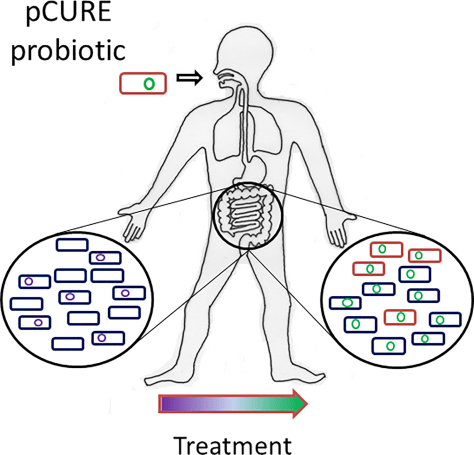

 Intellicurious