

 Designed as an augmented reality and spatial audio work downloadable as an app for mobile devices, it is both a site specific public artwork and a digital archive of these species, using tools and platforms from a range of fields including video games, computer generated images and film. Inspired by ecological science-fiction and scientific research, Kudsk Steensen creates a form of ‘slow media’ that uses the technological to foster attention rather than distraction.
...a journey to both see and hear five of London’s species: London plane trees, bats, parakeets, azure blue damselflies and reedbeds.
Kudsk Steensen has collaborated with the field recordist and sound designer Matt McCorkle to represent five species as sound. The audio and visuals within the project are drawn directly from organic source material gathered from a period of embedded research within Kensington Gardens and Hyde Park. These organic materials are then transformed through digital processes to be re-embedded within the same context.
Download brochure: https://www.serpentinegalleries.org/files/press-releases/the_deep_listener_tdl_a5_digital_v2_final.pdf
Website: https://www.serpentinegalleries.org/exhibitions-events/serpentine-augmented-architecture

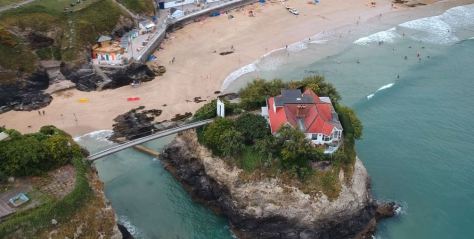
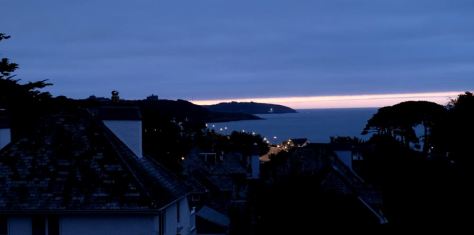
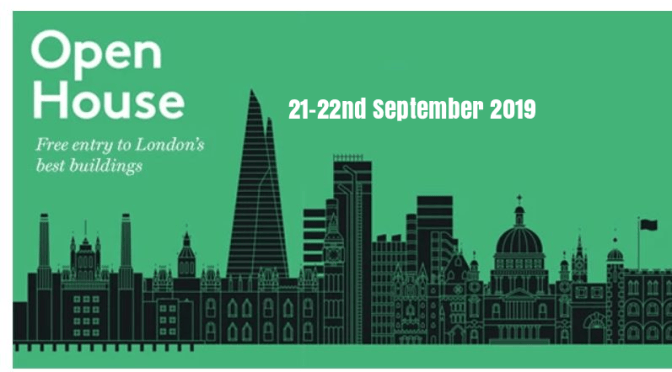
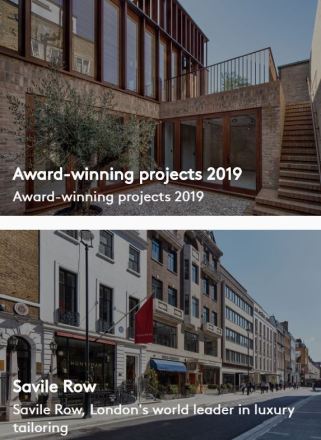 Running the course of a weekend, from Saturday 21st to Sunday 22nd September,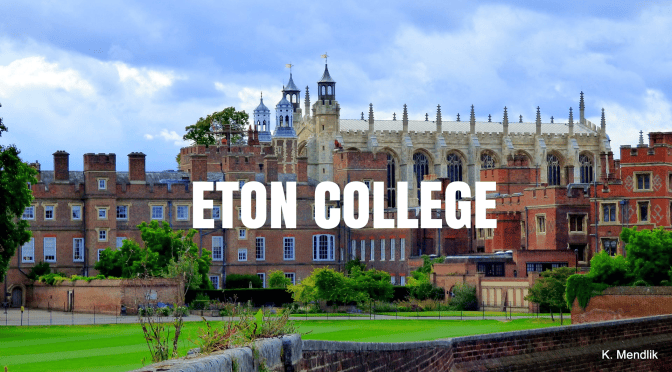
 James Wood: These Etonians
 “The scheme provides much-needed single-person accommodations for social rent using converted shipping containers to create contemporary, environmentally-friendly homes in a desirable area near to local amenities and within walking distance of the town center,” explain the architects. The firm developed the design in consultation with local residents and stakeholders, and they previously completed a pop-up container cafe for Kingston University and volumetric student residential projects in Coventry.
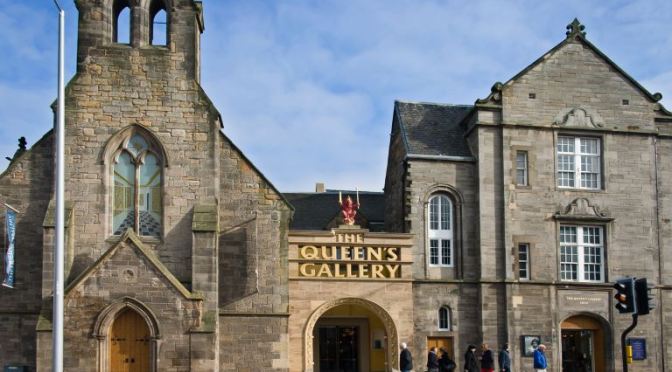
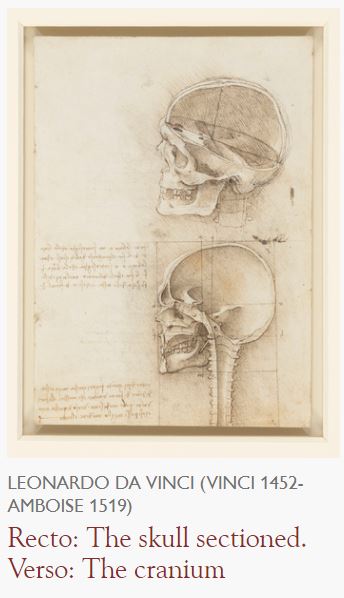 The 200 pages on display at the Queen’s Gallery, Buckingham Palace, have been together since the artist’s death. They were bound by the sculptor Pompeo Leoni in about 1590 and entered the Royal Collection during the reign of Charles II. Some of his most iconic images are here, including his study of a foetus in the womb, made as part of a treatise on anatomy that came close to being finished, but was never published.
 Intellicurious