
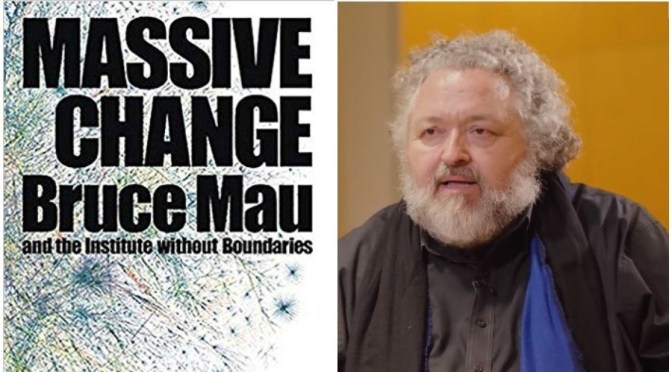
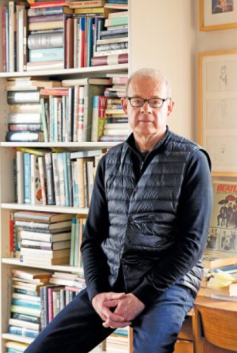
Meet the influential Canadian “design guru”, Bruce Mau, in this short video. Mau, who is the author of quintessential publications on architecture and design, shares his thoughts on how we can bring the book into the technological environment without losing its beauty and richness.
“I think it’s such a brilliant technology that if it didn’t exist today – if somehow we got to the present through technology and computers before the book – we would have to invent the book,” Maus says of the discussion surrounding the alleged ‘death of the book’. The book, he continues, is such a brilliant technology, that no computer can match: “It never crashes, it sequences narrative, which is one of the most important things we need to do to understand the world.”
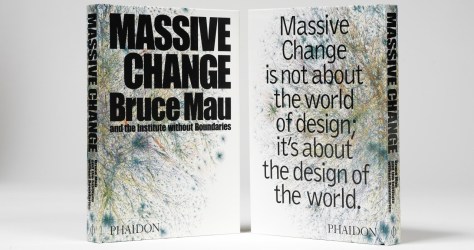
Mau shares how he is working on a technology platform for books because he realized that “when we moved the book from the physical book to the digital book, we left behind the beauty of the book. We left behind the culture of the book and the experience of the book. We just took the text.” The true experience of the book, he feels, should be better incorporated into the technological environment, while adding the capacity and reach that technology offers.
Bruce Mau (b. 1959) is a Canadian designer. Mau began as a graphic designer but has later extended his creative talent to the world of architecture, art, films, conceptual philosophy and eco-environmental design. From 1985-2010, Mau was the creative director of Bruce Mau Design (BMD), and in 2003 he founded the Institute Without Boundaries in collaboration with the School of Design. In 2010, he went on to co-found The Massive Change Network in Chicago. Mau is the recipient of prestigious awards including the Chrysler Award for Design Innovation in 1998, the American Institute of Graphic Arts Gold Medal in 2007, the Philadelphia Museum of Art’s Collab Design Excellence Award in 2015, and the Cooper Hewitt 2016 National Design Award for Design Mind – for his impact on design theory, design practice and public awareness. In 1998, Mau designed a widely circulated 43 point manifest called ‘The Incomplete Manifesto for Growth’, which assists its users in forming and assessing their design process. Mau is also the author of iconic books such as ‘S, M, L, XL’ (1995) with Rem Koolhaas: an architecture compendium that quickly became a requisite addition to the shelves of creatives. In June 2020, he will publish ‘MC24’, which features essays, observations, project documentation, and design work by Mau and other high-profile architects, designers, artists, scientists, environmentalists, and thinkers of our time.
Bruce Mau was interviewed by Marc-Christoph Wagner in connection with The World Around conference (https://theworldaround.com/) in New York City in January 2020.
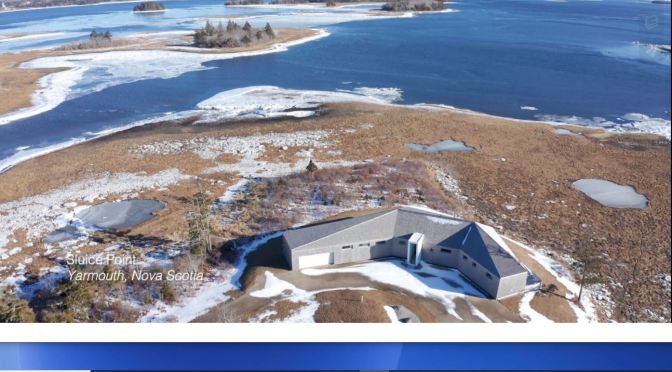
 For the final project of the semester, the professor took his class to the wind-swept island of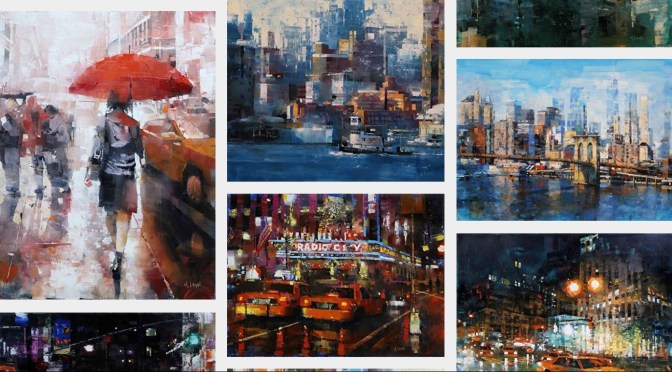
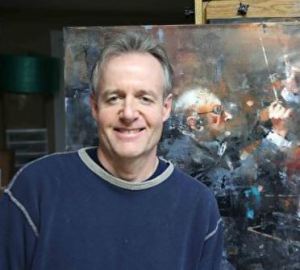 Mark has developed an international reputation and has won numerous awards, both in his native Canada and in the United States. A dedicated painter, Mark Lague was born in Lachine Quebec in 1964 and he has had a fascination with drawing since childhood, a skill he practices constantly, even to this day.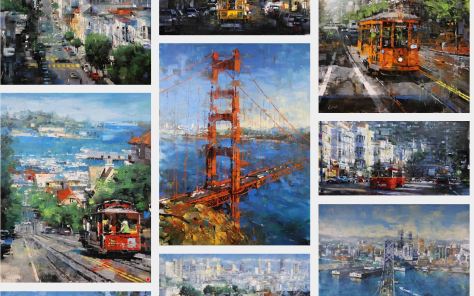


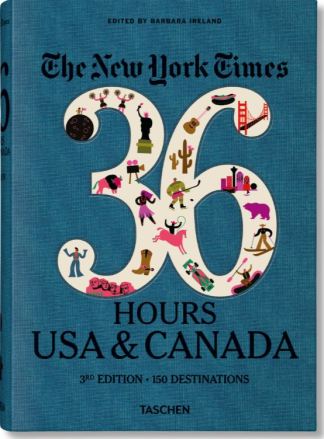 In this fully revised and updated third edition of the best-selling USA & Canada volume, TASCHEN presents the best itineraries from across the continent. You’ll find marquee metropolises like New York, Montreal, and Los Angeles; world-famous natural wonders at Niagara Falls and the Grand Canyon; the hidden charm of Rust Belt cities like Duluth and Detroit, as well as 33 new stories including Anchorage, the Berkshires, Boulder, and many more.
 To travel in North America is to face a delicious quandary: over these vast spaces with so many riches, from glittering cities to eccentric small towns and heart-stoppingly beautiful mountains and plains, how to experience as much as possible in limited time? The New York Times has the answer, offering up dream weekends with practical itineraries in its popular weekly 36 Hours column for nearly two decades.
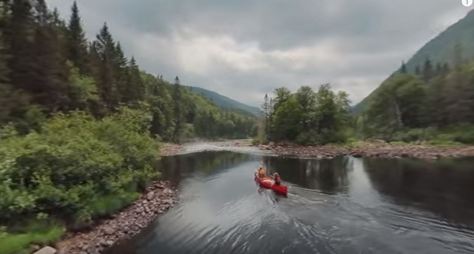



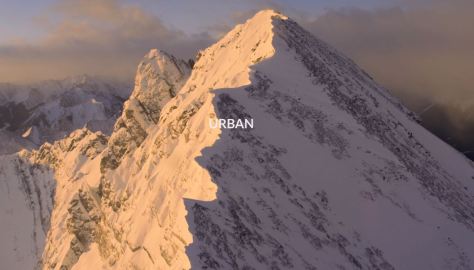


 While the drive from Calgary to Jasper can easily be done in a day, I recommend taking at least a week to travel there and back. That leaves plenty of time to find adventure off the main road, spend some nights in the backcountry, and explore each town along the route.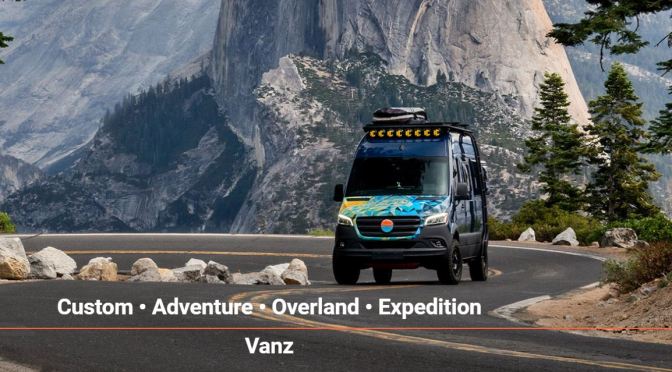
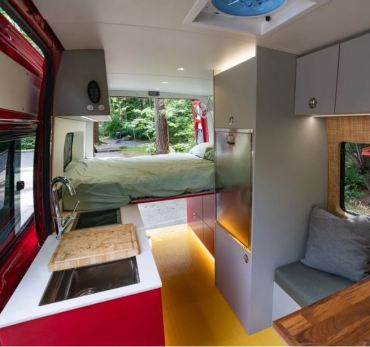 One of the most refreshing companies currently converting vans is
  Intellicurious