
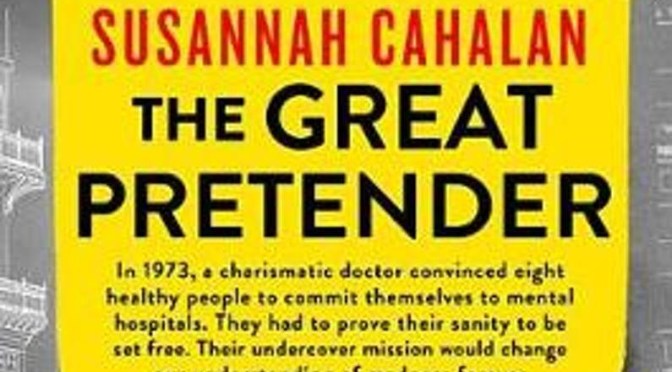
Psychiatry, as a distinct branch of medicine, has come far in its short life span. (The term psychiatrist is less than 150 years old.) The field has rejected the famously horrific practices of the recent past—the lobotomies, forced sterilizations, human warehousing. Today’s psychiatric practitioners boast a varied arsenal of effective drugs and have largely dropped the unscientific trappings of psychoanalytic psychobabble, the “schizophrenogenic mothers” of yesteryear who had been thought to have somehow triggered insanity in their unwitting offspring. Two decades into the 21st century, psychiatry now views severe mental illnesses as legitimate brain diseases. Despite all these advancements, however, the field still relies solely on self-reported symptoms and observable signs for diagnosis. Though the American Psychiatry Association reassures us that psychiatrists are uniquely qualified to “assess both the mental and physical aspects of psychological problems,” they are, like all of medicine, limited by the tools at hand. There are not, as of this writing, any consistent objective measures that can render a definitive psychiatric diagnosis.
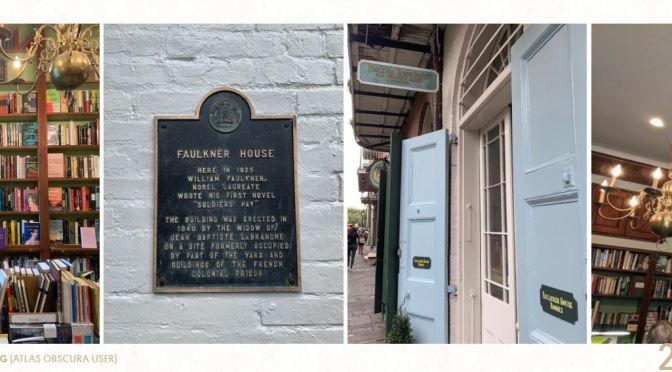
 Inside, the small store has a good selection of literary fiction ranging from classics to current publications. There is also a great selection of books about New Orleans and local culture. There is, of course, a dedicated area, almost shrine-like, for Faulkner’s works, and the shop owner will let you take a look at those more expensive books, “if you want to get in trouble with your wallet.”
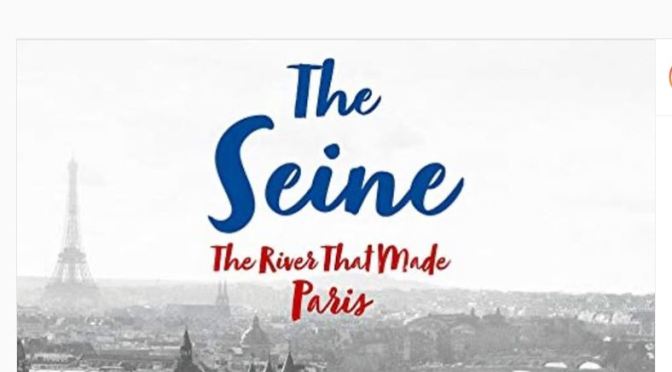
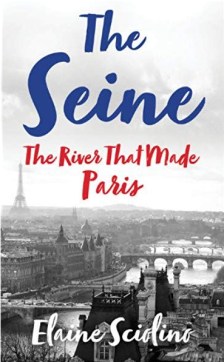 Sciolino’s keen eye and vivid prose bring the river to life as she discovers its origins on a remote plateau of Burgundy, where a pagan goddess healed pilgrims at an ancient temple. She follows the Seine to Le Havre, where it meets the sea. Braiding memoir, travelogue, and history through the Seine’s winding route, Sciolino offers a love letter to Paris and the river at its heart and invites readers to explore its magic.
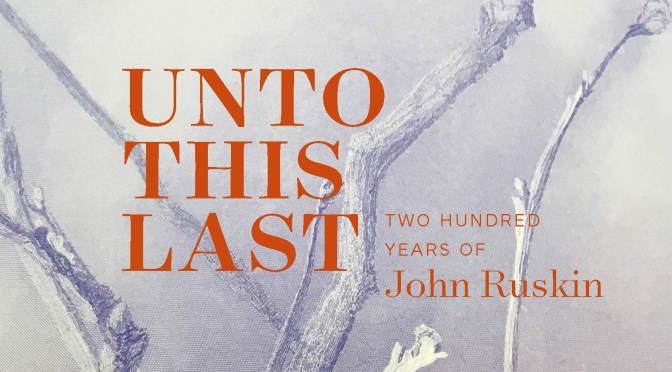
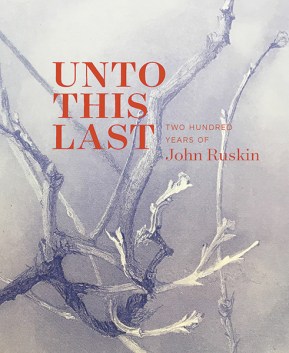 In “Unto This Last and Other Essays on Art and Political Economy” (1860), which gives the exhibition its title, Ruskin “sees” interconnected social injustices. He attacks economic inequality. Later, he sets out to establish a utopian community in working-class Sheffield, England. In one gallery we see his influence on “progressive thinkers worldwide.” Gandhi said that reading “Unto This Last” in 1904 transformed his life and ideas.
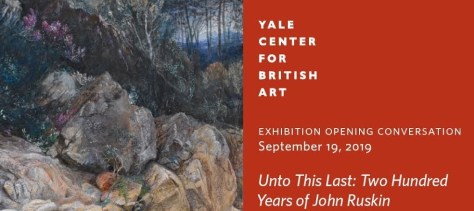 ‘If you can paint one leaf,” John Ruskin once declared, “you can paint the world.” And in “Unto This Last: Two Hundred Years of John Ruskin”—the hypnotically potent (though flawed) exhibition at the Yale Center for British Art marking the bicentennial of his birth—we see how wonderfully he kept trying.
 The acclaimed biographer Edmund Morris
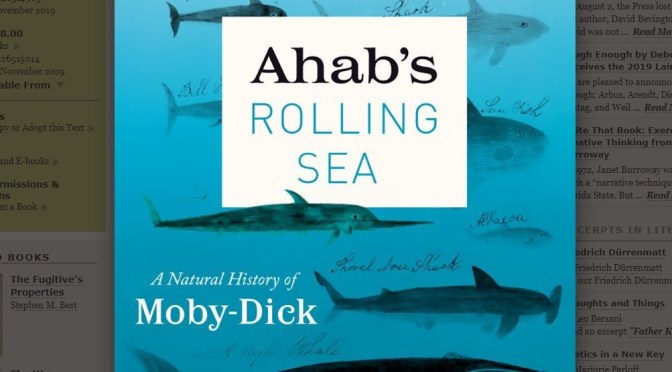
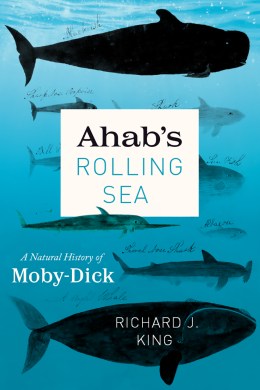 A revelation for Moby-Dick devotees and neophytes alike, Ahab’s Rolling Sea is a chronological journey through the natural history of Melville’s novel. From white whales to whale intelligence, giant squids, barnacles, albatross, and sharks, Richard J. King examines what Melville knew from his own experiences and the sources available to a reader in the mid-1800s, exploring how and why Melville might have twisted what was known to serve his fiction. King then climbs to the crow’s nest, setting Melville in the context of the American perception of the ocean in 1851—at the very start of the Industrial Revolution and just before the publication of On the Origin of Species.
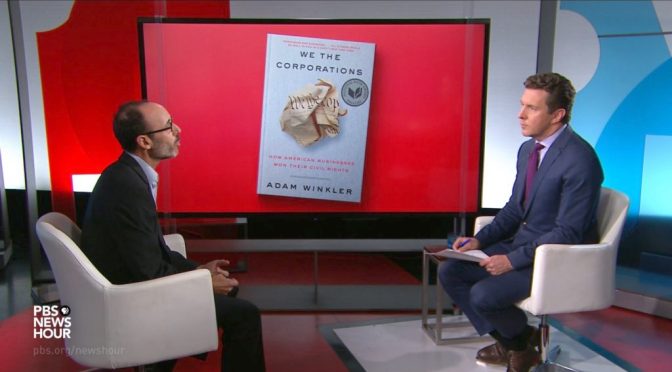
 Adam Winkler, author of our October pick for the NewsHour-New York Times book club, Now Read This, joins William Brangham to discuss “We the Corporations,” and William announces the November book selection.
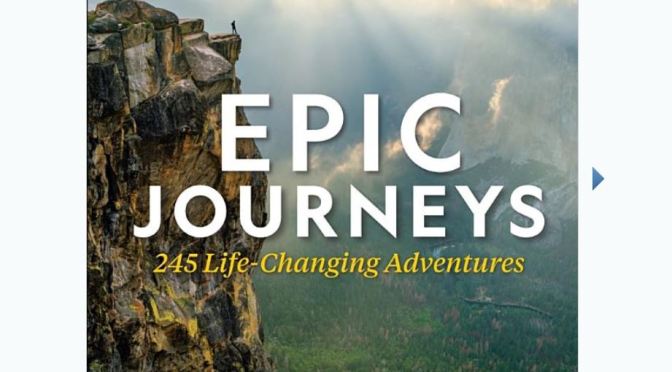
 Travelers are dreamers who act on their inspirations. The new National Geographic book
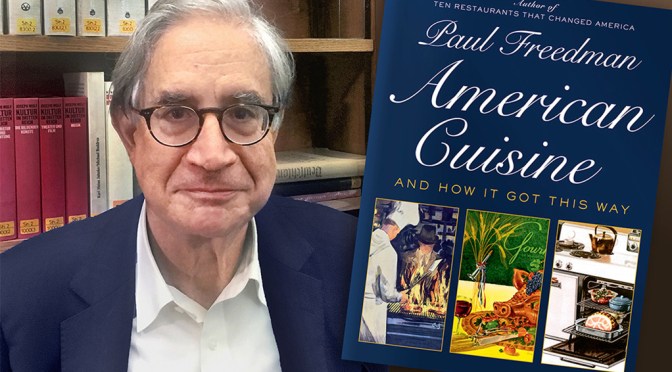
 One way to understand American cuisine is through its regions — and the regional traditions that underlie the history of American cuisine. New England, the South, and New Orleans Creole are the regional cuisines of America. Examples of New England cuisine are “Yankee Pot Roast,” the lobster roll, and clam chowder. Southern favorites include grits, collard greens, okra, fried tomatoes, and sweet potato pie. Louisiana’s signature creole dishes are jambalaya, gumbo, and étouffée.
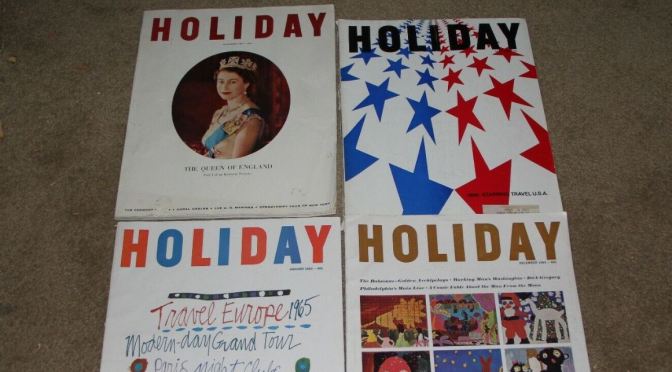
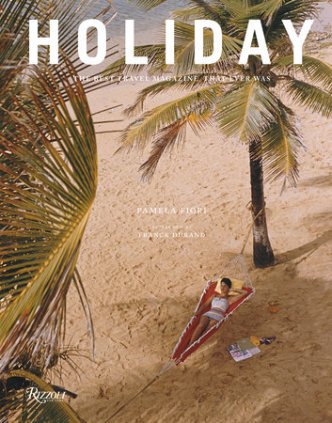 The first book on magazine sensation Holiday, which between 1946 and 1977 was one of the most exciting publications in the world. Renowned for its bold layouts, literary credibility, and ambitious choice of photographers and artists, Holiday portrayed the romance of travel like no other periodical.

