

From a National Poll on Aging (Univ. of Michigan) online release:
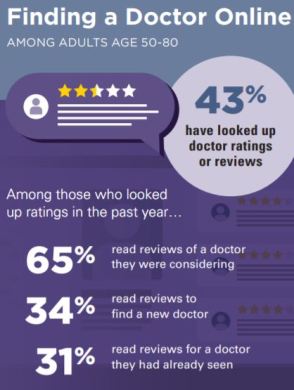 Among older adults age 50–80, 43% had ever reviewed doctor ratings; 14% had reviewed ratings more than once in the past year, 19% had done so once in the past year, and 10% had reviewed ratings more than one year ago.
Among older adults who had looked up doctor ratings within the past year, 65% read reviews of a doctor they were considering, 34% read reviews to find a new doctor, and 31% read reviews for a doctor they had already seen.
 Ratings and reviews for nearly everything can be found online these days, including doctors. How are older adults using these ratings in their decisions about choosing doctors? In May 2019, the University of Michigan National Poll on Healthy Aging asked a
national sample of adults age 50–80 about their use and perceptions of online doctor ratings.
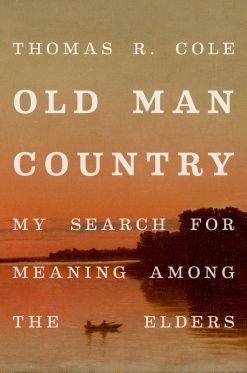 The book follows the journey of a writer in search of wisdom, as he encounters twelve distinguished American men over 80 — including Paul Volcker, the former head of the Federal Reserve, and Denton Cooley, the world’s most famous heart surgeon. In these and other intimate conversations, the book explores and honors the particular way that each man faces four challenges of living a good old age: Am I still a man? Do I still matter? What is the meaning of my life? Am I loved?

 If one geriatrician can care for 700 patients with complicated medical needs,


 Hundreds of miles south of Japan’s main islands, in the East China Sea, is a Jurassic Park of longevity, with a higher percentage of centenarians (people who live to 100 years old) than anywhere else on Earth.
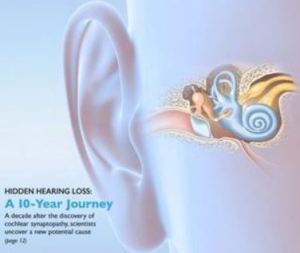 …the researchers demonstrated that the biggest drop in cognitive ability occurs at the slightest level of hearing loss — a decline from zero to the “normal” level of 25 decibels, with smaller cognitive losses occurring when hearing deficits rise from 25 to 50 decibels.
 Aging, Duration, and the English Novel argues that the formal disappearance of aging from the novel parallels the ideological pressure to identify as being young by repressing the process of growing old. The construction of aging as a shameful event that should be hidden – to improve one’s chances on the job market or secure a successful marriage – corresponds to the rise of the long novel, which draws upon the temporality of the body to map progress and decline onto the plots of nineteenth-century British modernity.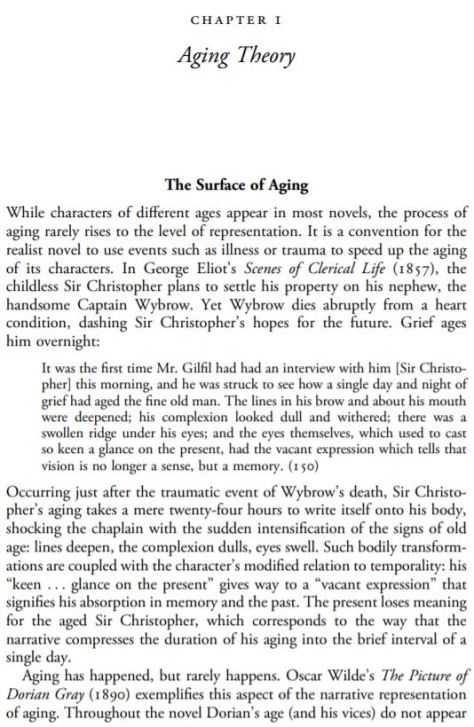

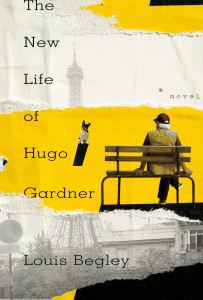 o finds himself wondering if growing old in Paris might be the perfect antidote to the drama he left behind in New York. Unflinching, witty, and urbane as ever, Louis Begley delivers a spot-on satire of the world of New York’s aging elite, and uncovers the unexpected delights a late-in-life change can offer.
 Intellicurious