The all new MODE 4×4™ is built on the rugged Mercedes-Benz Sprinter 144 4×4 platform. Authentically designed with daily drivers, weekend warriors, full time vanlifers, and long-range overlanders in mind… with an infinitely adaptive floor plan.
The MODE 4×4™ is equipped with a forward thinking, user friendly feature set that includes the industry first LiveFree™ OTG sustainable, automotive grade energy management system (powered by Volta).
With this 12kw clean energy lithium battery system you will have all the power you need to enjoy life on the road and off the grid without the noise, inconvenience, and fumes that accompany the fossil fuel generator setups of traditional RVs.
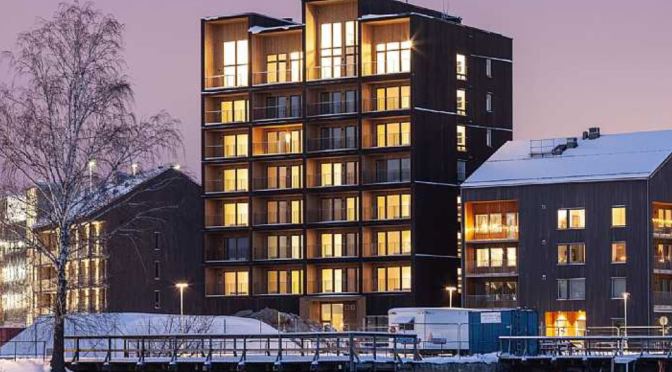
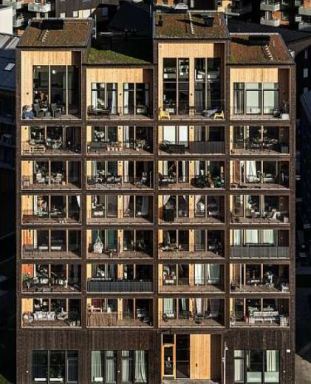 The Tall Timber Building residence has become a landmark and, during construction, became Sweden’s tallest solid wooden building in the new district of Kajstaden at Lake Mälaren in Västerås. All parts of the building consist of cross-laminated wood, which includes the walls, joists and balconies as well as the lift and stairwell shafts.
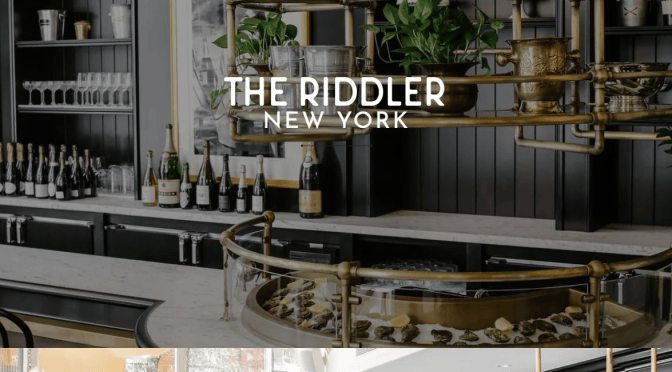
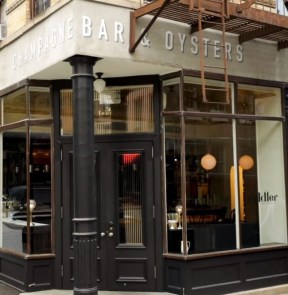 A restaurant funded solely by female investors, The Riddler is a New York City champagne bar from owner Jen Pelka.
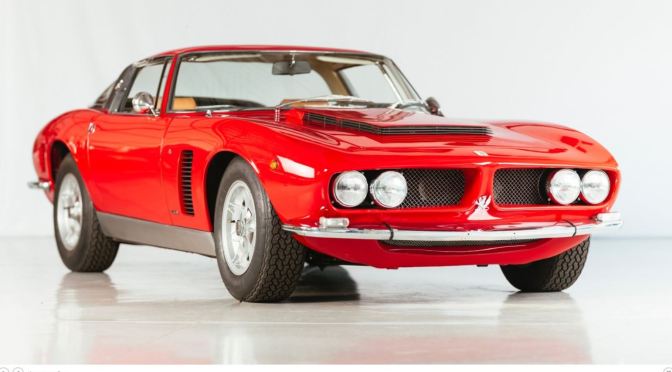
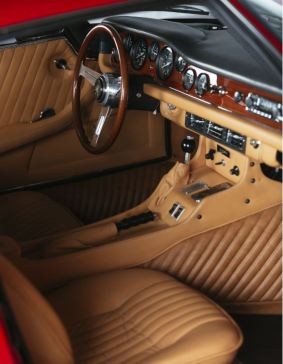 The Iso Grifo is a limited production grand tourer automobile manufactured by Italian Iso Autoveicoli S.p.A. between 1965 and 1974. Intended to compete with Ferrari and Maserati GTs, it utilized a series of American power trains and components supplied by Chevrolet and Ford to ensure performance and maximize reliability. Styling was done by Giorgetto Giugiaro at Bertone, while the mechanicals were the work of Giotto Bizzarrini.
 In 1970, a styling change was made to the nose section of the car for the Grifo Series II, It got a sleeker look and hide-away headlights. In the IR-9 “Can Am” version the engine was switched from the 427 engines to the newer even more powerful Chevrolet 454 7.4 litre engine.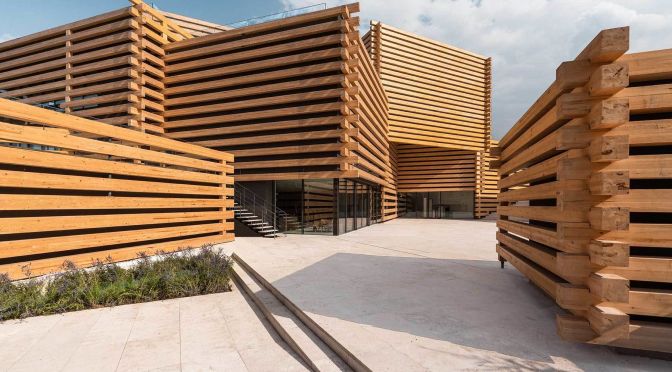
 We visit a Kengo Kuma-designed art museum in Eskisehir that’s set to become Turkey’s new cultural hotspot.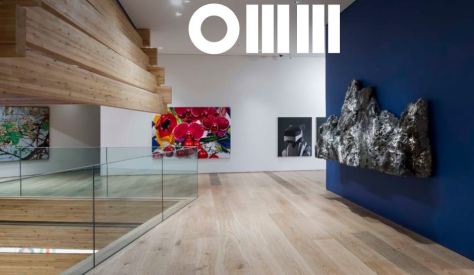
 In our opinion, the current recommendation to greatly increase consumption of dairy foods to 3 or more servings per day does not appear to be justified…When consumption of milk is low, the two nutrients of primary concern, calcium and vitamin D (which is of particular concern at higher latitudes), be obtained from other foods or supplements without the potential negative consequences of dairy foods.


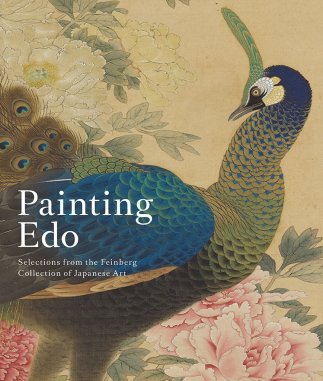 Painting Edo — the largest exhibition ever presented at the Harvard Art Museums — offers a window onto the supremely rich visual culture of Japan’s early modern era. Selected from the unparalleled collection of Robert S. and Betsy G. Feinberg, the more than 120 works in the exhibition connect visitors with a seminal moment in the history of Japan, as the country settled into an era of peace under the warrior government of the shoguns and opened its doors to greater engagement with the outside world. The dizzying array of artistic lineages and studios active during the Edo period (1615–1868) fueled an immense expansion of Japanese pictorial culture that reverberated not only at home, but subsequently in the history of painting in the West.
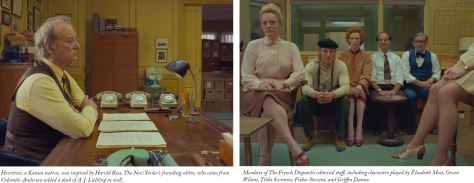
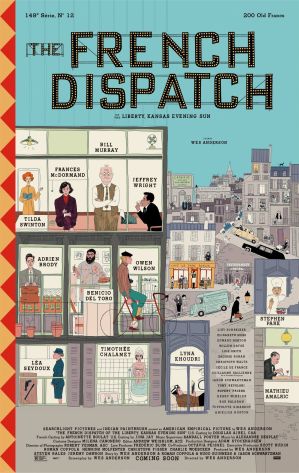 Wes Anderson’s new movie, “The French Dispatch,” which will open this summer, is about the doings of a fictional weekly magazine that looks an awful lot like—and was, in fact, inspired by—The New Yorker. The editor and writers of this fictional magazine, and the stories it publishes—three of which are dramatized in the film—are also loosely inspired by The New Yorker. Anderson has been a New Yorker devotee since he was a teen-ager, and has even amassed a vast collection of bound volumes of the magazine, going back to the nineteen-forties. That he has placed his fictional magazine in a made-up French metropolis (it’s called Ennui-sur-Blasé), at some point midway through the last century, only makes connecting the dots between “The French Dispatch” and The New Yorker that much more delightful.