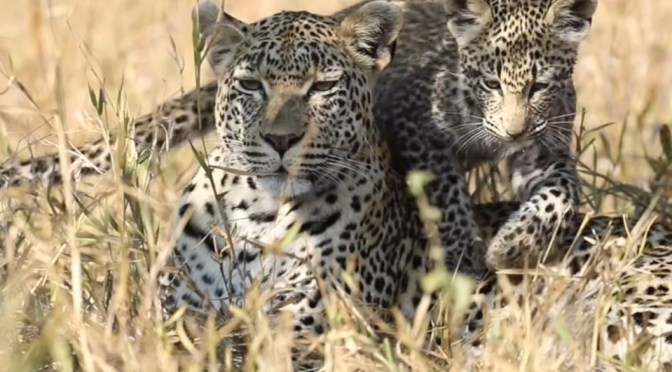
Mala Mala is a game reserve located within the Sabi Sand Game Reserve, Mpumalanga province, South Africa. It is the largest and the oldest private big five game reserve in South Africa, It covers around 130 km² or 15 000 hectares of land.
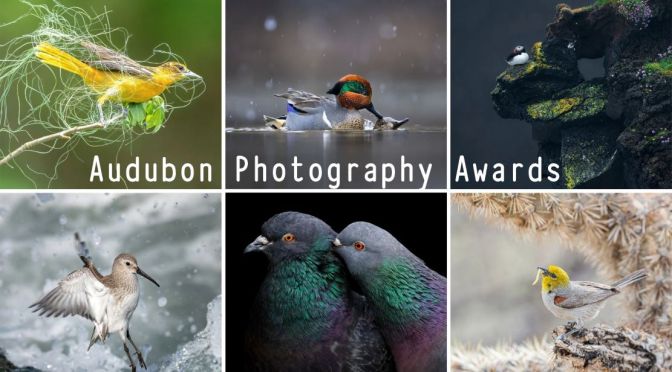
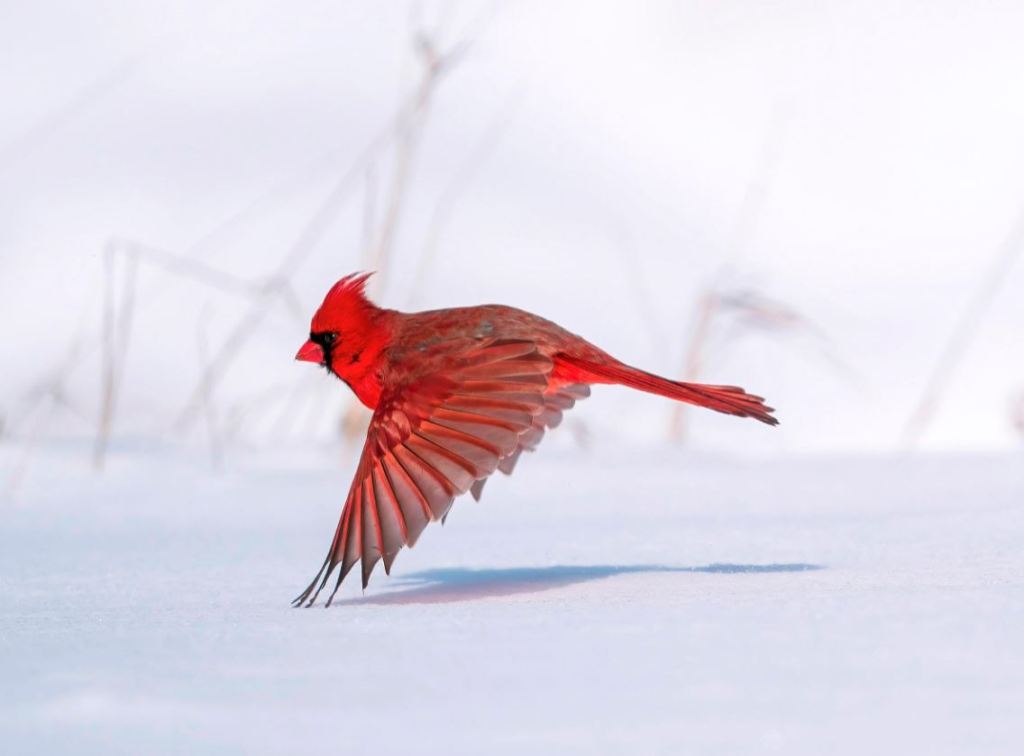
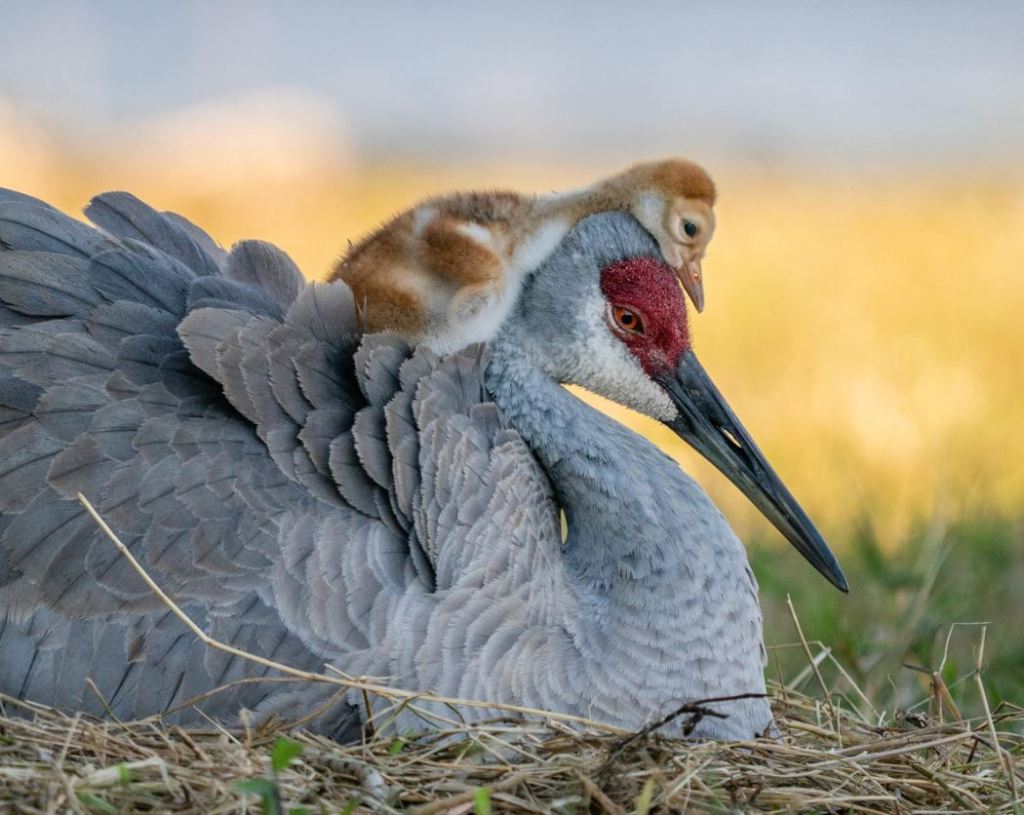
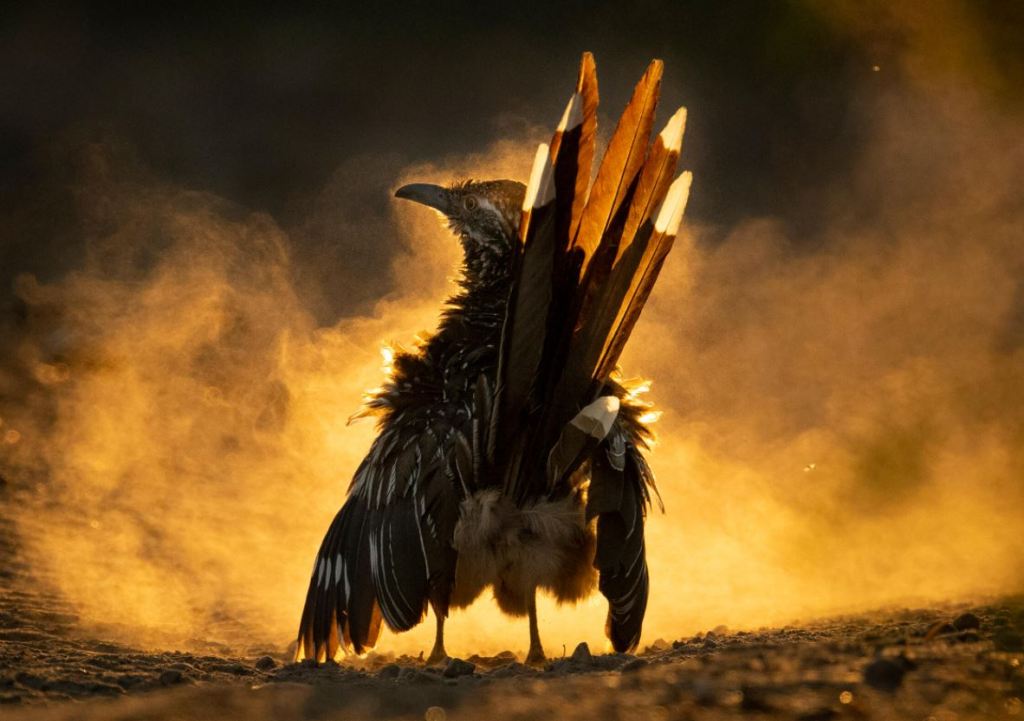
In contrast to recent years, few of the winning images emerged from far-flung expeditions. Most were taken by photographers working close to home. This may be a reflection of the many ways that birds provided solace during the challenging and restrictive conditions brought on by the pandemic.
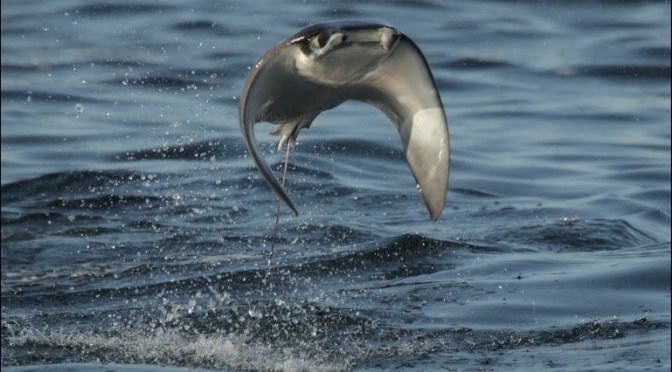
While spring is feeding time for the ocean dwellers off the western coast of Mexico, it’s also mating time for the giant eagle rays. Their eye-catching leaps out of the water serve as a way to get noticed.
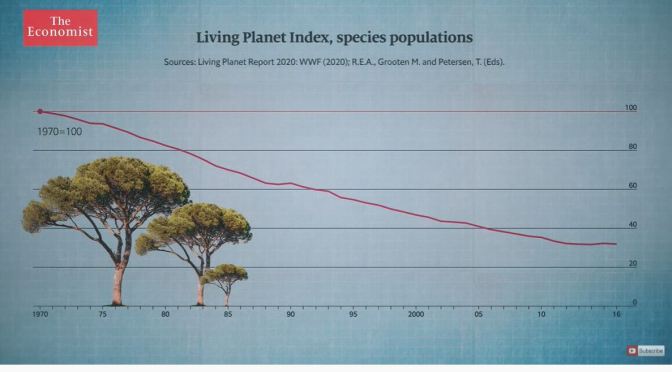
The world’s animals and wildlife are becoming extinct at a greater rate than at any time in human history. Could technology help to save threatened species? Read our latest technology quarterly on protecting biodiversity: https://econ.st/3dqdkKN
How close have you ever gotten to a wild bird? Can you remember the details of its plumage or the curvature of its beak? Did it sit in one place long enough for you to really study all of its colors and other characteristics? Probably not—at least if it was alive. The avid birders among us sometimes search their whole life for a glimpse of a particularly rare species. But if you are just a casual observer of the winged creatures around us, the ones you do see likely come and go as flashes of color and sound. For ornithologists, the elusive nature of birds is just part of the job. Beyond fieldwork, though, access to rare or extinct species or those with a limited range can be especially difficult to get. If you were, say, hoping to study the green-headed tanager (a riotously multicolored songbird native to South America) and unable to travel to the northeastern region of the continent where it can be found, you would have to ask a museum to send you a specimen in the mail. Access to rare specimens, such as those of extinct birds, can be especially difficult to get.
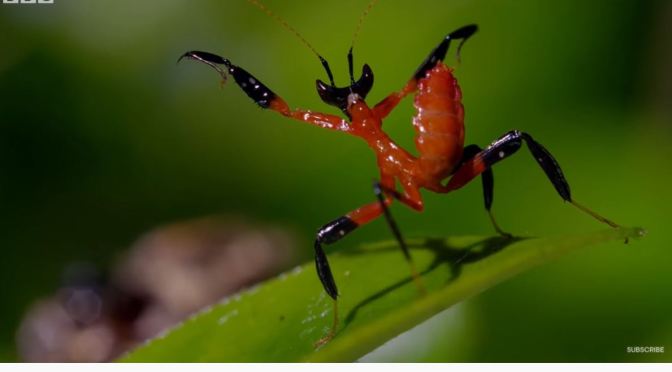
Is this the world’s bravest mantid? Nick Easton recalls the amazing story of capturing this once-in-a-lifetime encounter.
Northern Praying Mantis is a style of Chinese martial arts, sometimes called Shandong Praying Mantis after its province of origin. It was created by Wang Lang and was named after the praying mantis, an insect, the aggressiveness of which inspired the style.
News, Views and Reviews For The Intellectually Curious