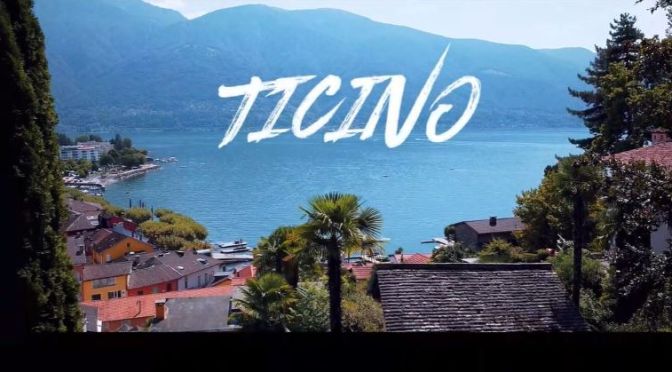
Ticino is an Italian-speaking region in southern Switzerland with palm-lined lakes and sharp Alpine peaks. Its architecture, cuisine and culture is closely related to that of neighboring Italy. Bellinzona, the capital of Ticino, is home to medieval castles. Lugano, a town on glacial Lake Lugano, is known for its waterfront promenade and Piazza della Riforma, a square lined with neoclassical buildings.
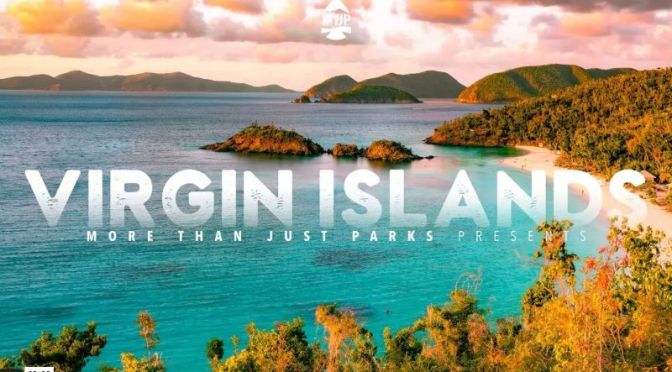
VIRGIN ISLANDS 8K is a visually stunning journey through one of the most beautiful national parks in the world, Virgin Islands. Journey with More Than Just Parks as we explore this tropical paradise located on the outskirts of the Caribbean Sea. Swim with sea turtles, explore ancient jungle ruins, relax on white sand beaches, and soak in the island beauty. This is Virgin Islands National Park.
To make this film we spent weeks on the island of St John (part of the US Virgin Islands) hiking every trail in Virgin Islands National Park and swimming every bay (for good measure). We visited the park after the 2017 hurricane maria damage and were frankly quite surprised by what we saw. When you look at a lot of the photos and video online it does not represent what exists in the park today.
All of our footage represents the park in it’s current, post-hurricane, status.Filming locations included: Trunk Bay, Maho Bay, Lameshur Bay, Cinnamon Bay, Reef Bay (trail, ruins, & sugar mill), Annaberg Plantation Ruins, Ram Head, Caneel Hill Trail, Margaret Hill, Catherineberg Ruins, Honeymoon Beach, Salomon Beach, Francis Bay, Waterlemon Cay, Little Lameshur Bay, and so much more.
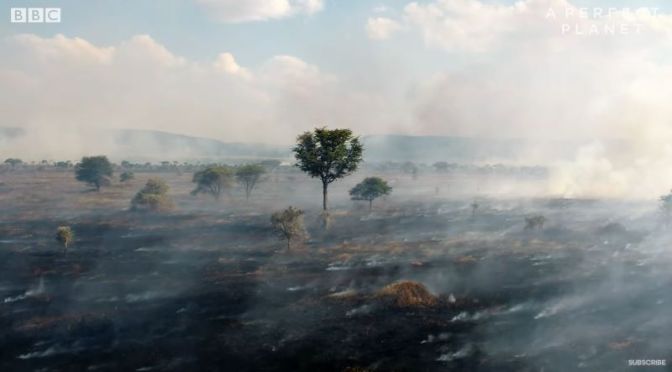
After receiving twelve hours of solar energy every day, the Serengeti grasslands become a tinderbox, just waiting to be lit.
The vast majority of the African fires currently burning seem to be in grasslands, in exactly the places we expect to see fires at this time of year. These fires are usually lit by cattle farmers as part of their traditional management of the savannahs where their animals graze. Some fires are started to stimulate new growth of nutritious grass for their animals, others are used to control the numbers of parasitic ticks or manage the growth of thorny scrub.
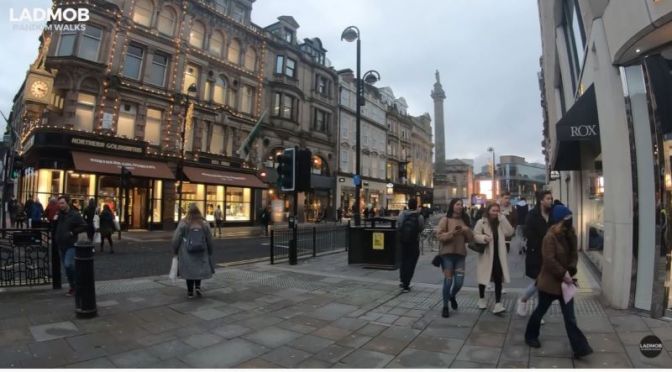
Newcastle upon Tyne is a university city on the River Tyne in northeast England. With its twin city, Gateshead, it was a major shipbuilding and manufacturing hub during the Industrial Revolution and is now a centre of business, arts and sciences. Spanning the Tyne, modern Gateshead Millennium Bridge, noted for its unique tilting aperture, is a symbol of the 2 cities.
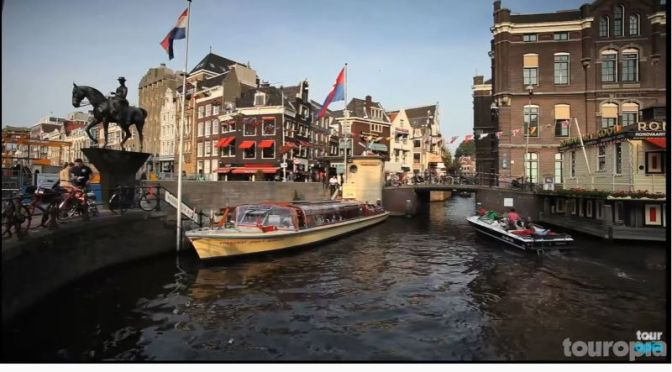
The Netherlands is a densely populated country in part reclaimed from the sea with about half of its land lying below sea level. Many tourist only come to the Netherlands to visit Amsterdam. But Holland has plenty to offer outside its capital. Crisscrossed with canals, the flat landscape is perfect for cycling with historic town centers and classic windmills sprinkled across the country. During springtime the flower gardens become great tourist attractions providing a bold spectacle of vivid colors. Here’s a look at the best places to visit in the Netherlands.
After six months of cumulative closure since the beginning of the health crisis and only a reopening for a few short months between two confinements this summer, the #Louvre lost 72% of attendance by 2020. But despite the absence of visitors, the heart of the museum has not completely stopped beating. The Louvre is even taking advantage of this period to carry out #renovations.
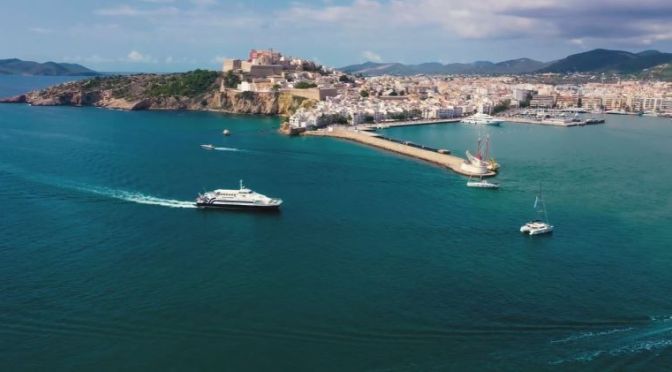
Ibiza is one of the Balearic islands, an archipelago of Spain in the Mediterranean Sea. It’s well known for the lively nightlife in Ibiza Town and Sant Antoni, where major European nightclubs have summer outposts. It’s also home to quiet villages, yoga retreats and beaches, from Platja d’en Bossa, lined with hotels, bars and shops, to quieter sandy coves backed by pine-clad hills found all around the coast.
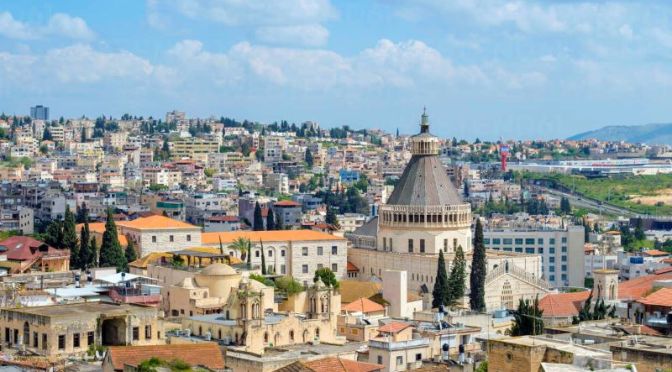
Nazareth is a city in Israel with biblical history. In the old city, the domed Basilica of the Annunciation is, some believe, where the angel Gabriel told Mary she would bear a child. St. Joseph’s Church is said to be the site of Joseph’s carpentry workshop. The underground Synagogue Church is reputedly where Jesus studied and prayed. Nazareth Village, an open-air museum, reconstructs daily life in Jesus’ era.
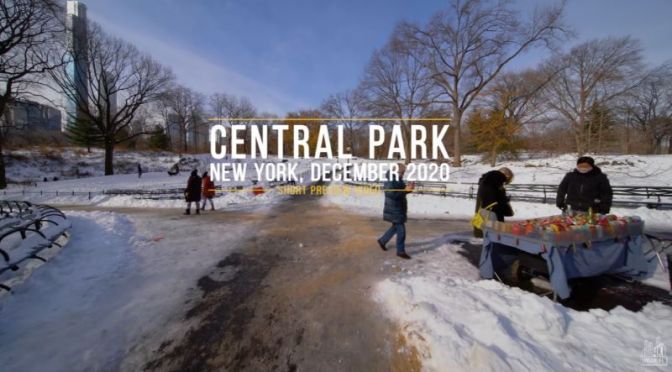
Central Park is an urban park in New York City located between the Upper West and Upper East Sides of Manhattan. It is the fifth-largest park in the city by area, covering 843 acres.
Central Park was the first landscaped public park in the United States. Advocates of creating the park–primarily wealthy merchants and landowners–admired the public grounds of London and Paris and urged that New York needed a comparable facility to establish its international reputation. A public park, they argued, would offer their own families an attractive setting for carriage rides and provide working-class New Yorkers with a healthy alternative to the saloon. After three years of debate over the park site and cost, in 1853 the state legislature authorized the City of New York to use the power of eminent domain to acquire more than 700 acres of land in the center of Manhattan.
An irregular terrain of swamps and bluffs, punctuated by rocky outcroppings, made the land between Fifth and Eighth avenues and 59th and 106th streets undesirable for private development. Creating the park, however, required displacing roughly 1,600 poor residents, including Irish pig farmers and German gardeners, who lived in shanties on the site. At Eighth Avenue and 82nd Street, Seneca Village had been one of the city’s most stable African-American settlements, with three churches and a school. The extension of the boundaries to 110th Streetin 1863 brought the park to its current 843 acres.
News, Views and Reviews For The Intellectually Curious